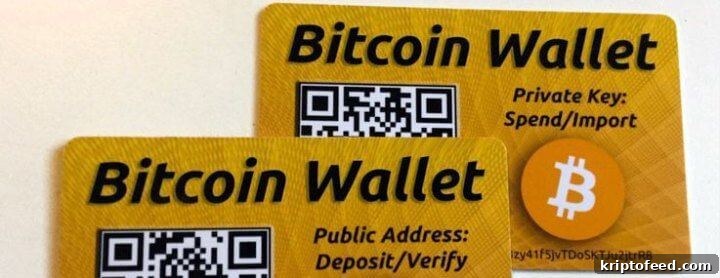
Bitcoin is now trading near $15,000 per coin, and some observers have made bold predictions about its future value. With so much at stake, protecting your holdings is essential.
Although the blockchain technology behind Bitcoin is highly secure, most users store their coins on online exchanges, which are vulnerable to hacks. In recent months, millions of dollars in cryptocurrency have been lost to breaches. Choosing a secure wallet is therefore crucial.
History offers cautionary examples. In 2014, the Japanese exchange Mt. Gox lost 850,000 bitcoins after a security breach—an amount that would be worth billions at today’s prices. Other platforms, including YouBit and NiceHash, have also suffered losses in attacks.
If you own or plan to invest in Bitcoin, selecting the right wallet should be a priority. Below are some of the best Bitcoin wallets to consider.
Bitcoin wallets store the private keys that control access to your coins—similar to how a physical wallet or a bank account holds your cash. Keeping funds on an exchange like Coinbase is comparable to leaving money in a bank: convenient, but dependent on the provider’s security and integrity.
Cryptocurrency platforms are largely unregulated, and customers often have limited recourse if funds are lost. That makes understanding wallet options and trade-offs essential.
Here are five recommended wallets, covering online, desktop, hardware, and paper options:
Bitcoin Wallet 1 – Coinbase Wallet
Online wallets are convenient for buying, selling, and trading, and Coinbase is one of the most popular services. As an exchange and wallet provider, Coinbase holds certain keys on behalf of users, so you do not have full custody unless you use specific features like its Vault.
That said, Coinbase has invested heavily in security measures, including two-factor authentication and a Vault option that improves user control. It has a strong track record with no major public security breaches and offers an intuitive interface ideal for beginners. If you need a user-friendly wallet with trading features, Coinbase is a practical choice—while understanding the trade-offs of online custody.
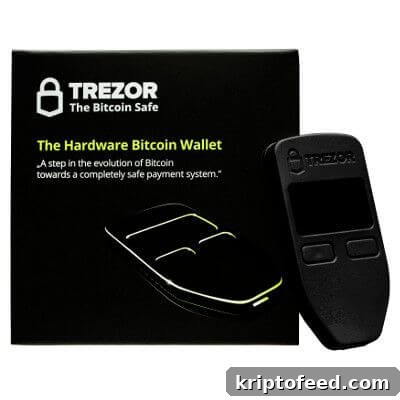
Bitcoin Wallet 2 – Trezor
For larger holdings, a hardware wallet is generally the safest option. Trezor, created by SatoshiLabs, is a well-known cold storage device that stores private keys offline. Priced around $100, hardware wallets require an upfront cost but significantly reduce exposure to online threats.
Trezor lets you sign transactions even from a compromised computer, thanks to secure authentication layers. The device includes a numerical keypad with randomized input to thwart keyloggers and generates a 24-word recovery seed to restore access if the device is lost. Transactions are quick and require only a few confirmations, though hardware devices are less convenient for frequent small payments.
Bitcoin Wallet 3 – Bitcoin.info
Bitcoin.info (sometimes referred to under other brandings) is an online wallet service that claims large transaction volumes and many users. It has endured industry volatility and remained operational through major incidents that affected some exchanges. While online wallets remain more exposed than cold storage, many long-term enthusiasts use platforms like this to manage everyday balances and convenience functions.
Bitcoin Wallet 4 – Electrum
Electrum is a free, well-established desktop wallet first released in 2011. It gives users full control over their private keys, and includes options for two-factor authentication, cold storage, and hardware wallet integration. Electrum is available for desktop platforms and as an Android app, though it is not offered on iOS. Because it gives you direct control of keys, Electrum is a solid choice for users who prioritize custody and security while keeping access on a personal device.
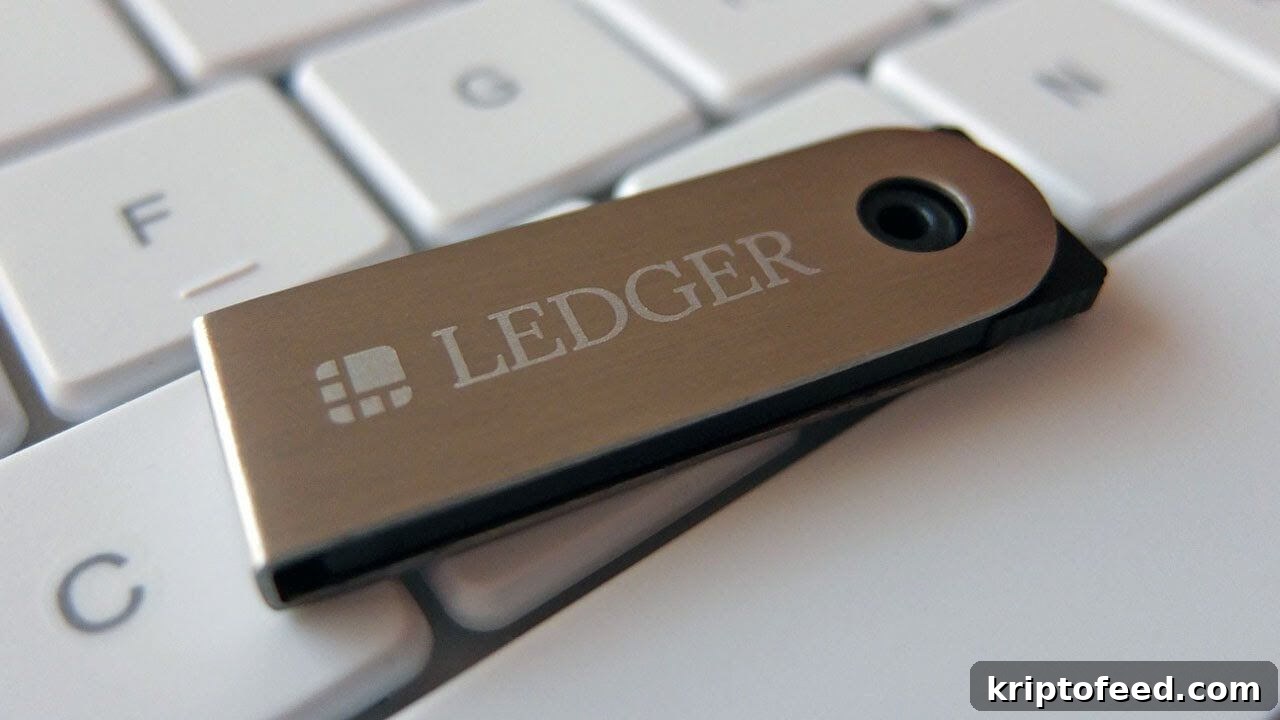
Bitcoin Wallet 5 – Ledger
Ledger is another leading hardware wallet provider that stores private keys offline to protect against hacks. Its product lineup includes the popular Nano S and other models, some of which offer contactless options. A physical device must be connected to authorize transactions, which adds a strong security layer for long-term holdings and significant balances.
Paper Wallet
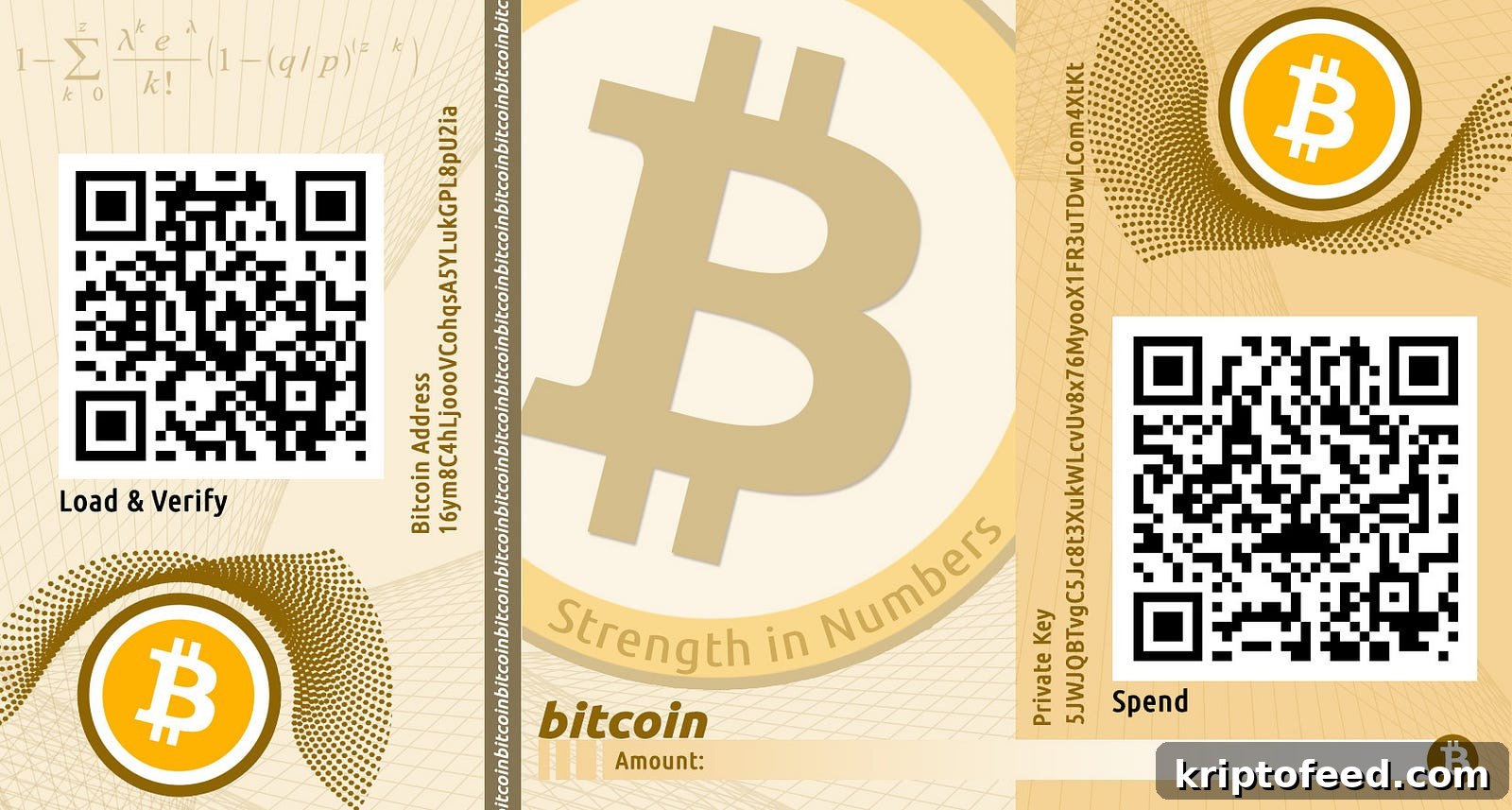
Paper wallets represent the most basic form of cold storage: a printed piece of paper containing the necessary data to generate private keys, often displayed as a QR code. Stored offline, paper wallets eliminate online attack vectors and serve as a physical backup of your keys.
Paper wallets require careful handling and secure storage because anyone who obtains the paper gains access to the funds. They can be less convenient and more technical to create and use, but they are very secure for long-term storage if generated and stored properly.
Choosing the right wallet depends on your needs: convenience and trading access favor online wallets; security for large holdings favors hardware or paper wallets. If you want maximum assurance, keep control of your private keys, use hardware or paper cold storage for most of your funds, and reserve small online balances for everyday use or trading.
Always back up recovery seeds, enable strong authentication, and store any physical backups in secure, private locations. The best wallet is the one that matches your security needs, technical comfort, and how you plan to use your Bitcoin.