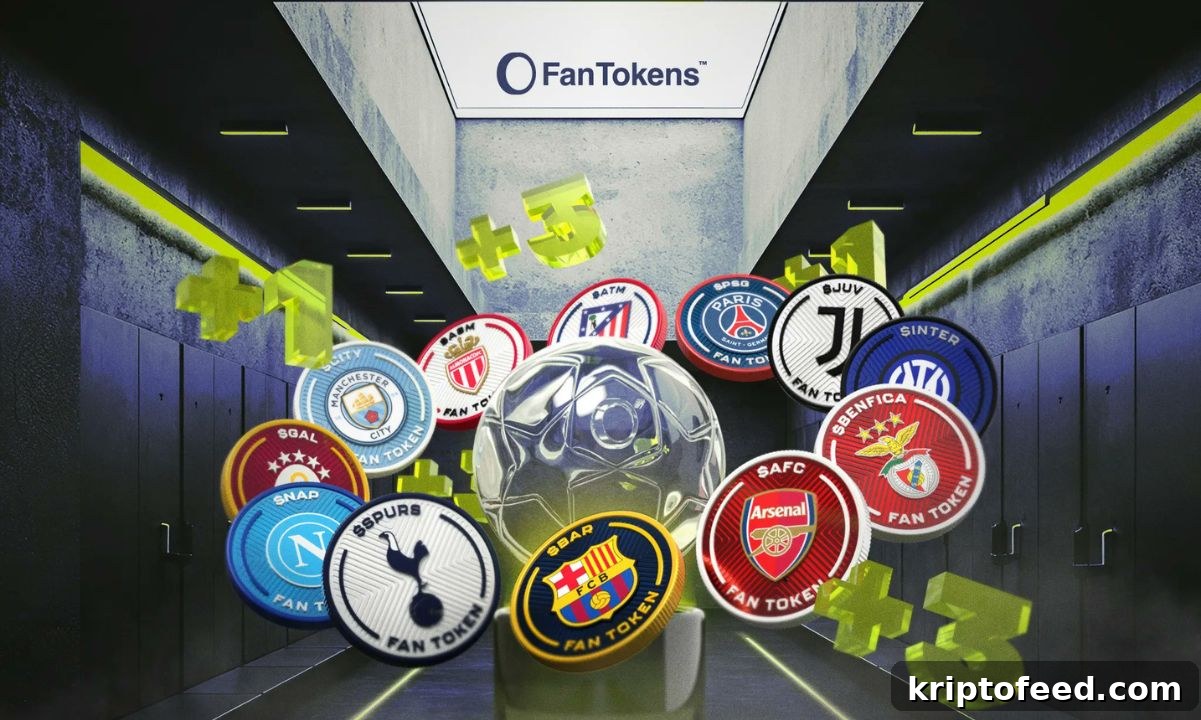
Sports and fans have always shared a complex, often dialectical relationship. In some cultures and organizations, clubs or governing bodies dictate terms and fans adapt; in others, supporters hold ownership stakes and share governance responsibilities.
Web3 technologies in sports are shifting that dynamic toward a more reciprocal model. Fans are now more engaged than ever, and the evolving digital fan experience relies heavily on technology. Early channels like Twitter and YouTube opened new forms of interaction, but blockchain now offers foundational infrastructure—most notably through fan tokens—that enables deeper, verifiable participation.
For clubs, blockchain-captured fan data serves as a robust indicator of sentiment, a predictor of behavior, and a precise tool for rewarding loyalty. For fans, tokenized ownership provides tangible proof of support—effectively a new kind of currency and a record of influence.
The information gap
The rise of fan tokens in major sports leagues has created a clear need for educational resources tailored to this new environment. Platforms such as Socios have played a role in introducing token-based fan participation models to global audiences. Because the concept is novel, many supporters initially find it unfamiliar or confusing, and educational outreach helps them engage more confidently with their favorite teams.
For the ecosystem to mature, users must be convinced through context, transparency, and trusted motivations. This is where dedicated information hubs become essential. Services like FanTokens offer tools that help people track market movements, understand core concepts, and evaluate governance utility so they can see how these digital assets function behind the scenes.
By providing fan token data insights, these platforms ease concerns about market volatility. They act as analytical references for newcomers to web3 sports platforms and help stabilize markets by grounding activity in verifiable fan behavior rather than pure speculation. Instead of guessing a player’s popularity, clubs and observers can rely on data—such as actual merchandise sales or the number of fans voting on a specific kit design across continents—to form clearer assessments.
Transparency and ownership
Digital ownership lies at the core of this infrastructure. Traditional engagement metrics have rarely offered the transparency or immutability that public blockchains provide when recording fan participation. On-chain voting, performance-related token burns, and other blockchain-native mechanisms contribute to building trust by making actions and outcomes verifiable.
Tokenized sports ecosystems can strengthen support for clubs by making it evident how individual involvement affects the broader network. Although blockchain adoption in sports remains in its early stages—even among major soccer clubs—both fans and stakeholders appreciate the visibility of on-chain metrics and the clarity of reward distribution. Engagement goes beyond a simple “like”: it can become stake-weighted governance with measurable influence.
We are approaching scenarios where experiments could allow fans to contribute to tactical decisions or player selection, at least in limited or trial settings. However, decentralized sports communities must prioritize usability and clarity. Complex technology only works when everyday users can understand and interact with it effectively. As the space matures, demand for structured education and reliable analytics will grow. Prioritizing transparent information is essential so that data-driven fandom can accurately reflect and reward broad supporter communities. After all, there are no sports without fans.
Disclaimer: The above article is sponsored content created by a third party. CryptoPotato does not endorse or assume responsibility for the content, advertising, products, quality, accuracy, or other materials presented. Nothing in this article should be taken as financial advice. Readers are advised to independently verify information and conduct thorough research before engaging with any company or project mentioned. Investing in cryptocurrencies carries the risk of capital loss; consult a professional before making investment decisions.
Readers are also advised to consult CryptoPotato’s full disclaimer.