[Disclaimer: CryptoKaiju was co-founded by Oliver Carding, who is also my fellow co-founder at CoinJournal and the person who signs my paychecks. I have no direct role in CryptoKaiju’s operations, and I believe it is a distinctive product. I am being paid my normal salary for this article and will receive a complimentary CryptoKaiju that was offered prior to this assignment. I will strive to remain impartial but felt it important to disclose this information to readers.]
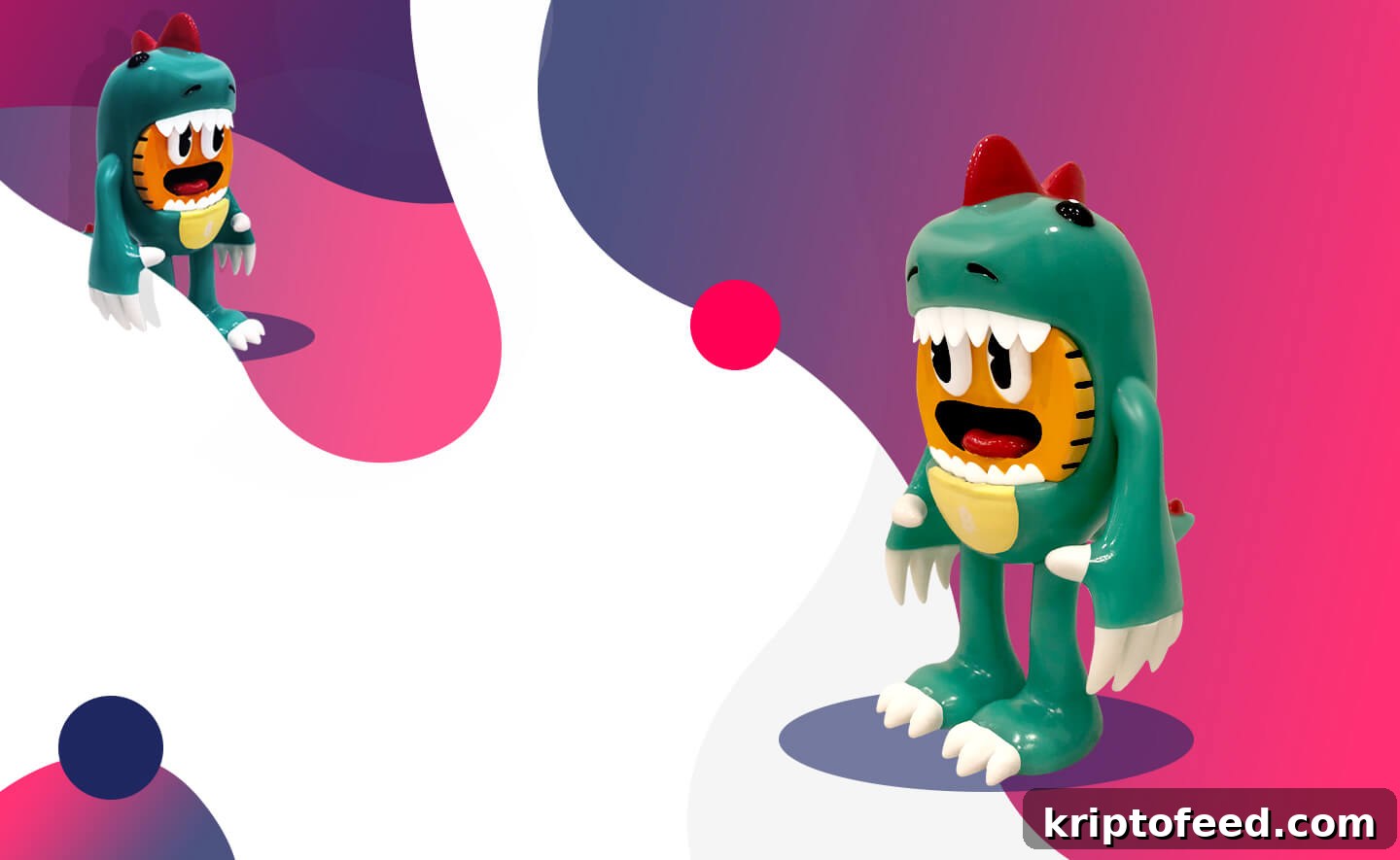
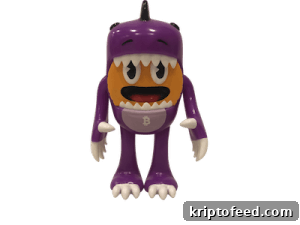 CryptoKaiju is introducing a blockchain-powered vinyl collectible toy. Drawing on the Kaiju tradition—giant monsters, often associated with Japanese cinema, battling and leveling cities—the CryptoKaiju turns a crypto-themed monster into a physical collectible with added blockchain features.
CryptoKaiju is the result of a collaboration between CoinJournal.net co-founder Oliver Carding and the three co-founders of the digital art marketplace Known Origin: David Moore, James Morgan, and Andy Gray.
Each CryptoKaiju includes an embedded tamper-proof NFC tag that links to its blockchain record. Beyond the NFC hardware, every figure has unique traits and is represented on the Ethereum blockchain as an ERC-721 non-fungible token. This combination brings provable provenance and distinct digital identity to a physical toy.
The inaugural figure, called Genesis, launches a program that will add new releases monthly. Genesis is modeled after a small mascot character familiar to CoinJournal readers. Previously appearing on a CoinJournal poster giveaway, this version of the mascot wears a “giant lizard” suit, ready to take on the financial world with a playful menacing flair.
The Genesis figure stands 5.5 inches tall, is crafted from high-quality vinyl, and is strictly limited to a production run of 130 units. Each unit also carries unique attributes, so every toy is not only one of 130 but truly one of one.
Thanks to the blockchain, buyers can be certain of production numbers and ownership history—something that has long been a problem for collectors. Oliver Carding of CryptoKaiju and CoinJournal explains:
“As a longtime collector of designer toys like Kaws, Futura Pointmen and Medicom Bearbricks, I’ve often had trouble feeling completely confident about authenticity and exact production numbers. The idea of bringing not only provenance but also personality to a physical toy through a set of attributes is very appealing. That’s where the concept for Kaiju originated, and we’re excited to explore the full potential of this technology.”
Each toy’s unique traits include gender, color, birth date, and two personality attributes. Some traits are intentionally rarer than others, and units are assigned at random upon purchase. This approach increases the collectible potential and excitement for buyers seeking rare combinations.
Beyond being an attractive item for crypto enthusiasts, CryptoKaiju is designed to introduce blockchain technology to non-technical audiences. Explaining the advantages of blockchain and smart contracts can be difficult, especially when the technology is purely digital and intangible. Physical items linked to on-chain records create a tangible entry point that makes the concept easier to grasp.
“When I first became interested in cryptocurrencies and blockchains about five years ago, I struggled to explain the technology to non-technical friends and family. For most people, it’s hard to conceptualize something that is entirely intangible. Unless they can see or hold what they’ve purchased, it often doesn’t click. We’re excited to bring blockchain benefits to a physical product and create a simple access point for people who want to get involved.”
The potential applications of this approach extend well beyond designer toys. Collectors in other industries—sneakers, trading cards, limited-edition fashion, and more—face challenges with counterfeits and uncertainty around production numbers. Buyers often wonder whether their “100 of 1,000” item is genuine or if multiple counterfeit pieces claim the same edition number.
Blockchain-enabled physical collectibles, like CryptoKaiju, address these problems by providing verifiable ownership and immutable production records. This technology could help restore confidence in many collectable markets and may spark a broader movement toward authenticated physical-digital hybrids.
CryptoKaiju’s launch could mark the start of a new collectible trend: physical toys and items that pair tactile appeal with verifiable digital identities. For collectors and newcomers alike, that blend offers both emotional and practical value.
To learn more about the project, purchase the first CryptoKaiju, or join the monthly release program, visit the CryptoKaiju website.