- They appeared soon after the Virtual Assets Service Providers Act of 2025 took effect.
- CoinATMradar currently lists two Bitcoin ATMs in Kenya.
- The Central Bank of Kenya and the Capital Markets Authority say no VASP is licensed yet.
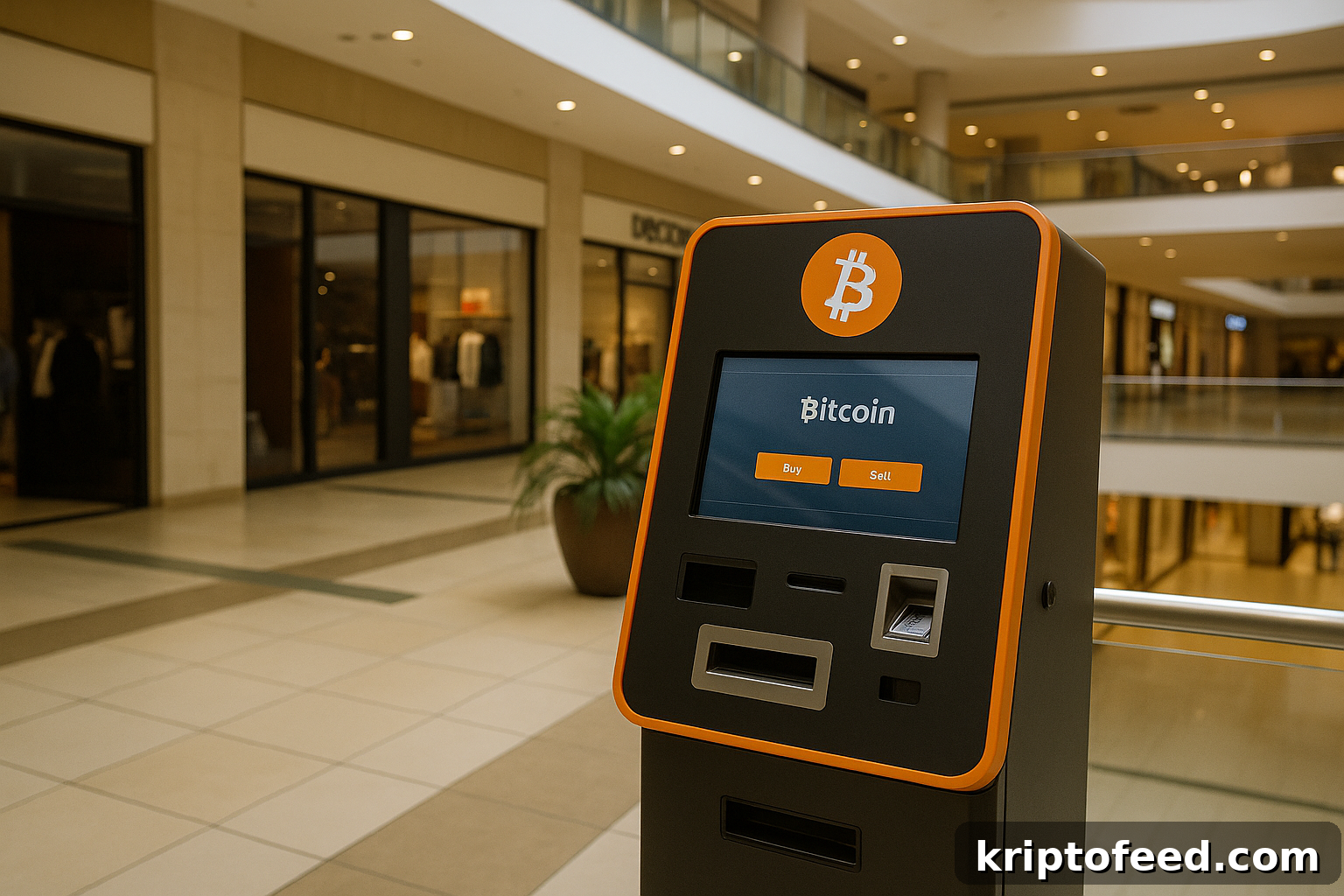
Bitcoin ATMs have begun appearing in major shopping malls around Nairobi just days after Kenya’s first comprehensive crypto law came into effect, creating an unexpected challenge for regulators who have not yet authorised any crypto providers to operate.
The machines, branded Bankless Bitcoin, were installed next to conventional bank kiosks and offered shoppers a way to convert cash to cryptocurrencies and back. Their arrival coincides with the early implementation stage of Kenya’s Virtual Assets Service Providers Act of 2025, which took effect on 4 November and establishes the country’s first formal regulatory framework for crypto service providers.
Gaps in licensing
Local media confirmed that multiple Nairobi malls now host Bitcoin ATMs, marking a broader push into mainstream commercial environments compared with previous efforts. Earlier attempts to introduce crypto ATMs in Kenya—such as BitClub’s trial deployments reported in 2018—failed to achieve widespread retail adoption. Today, CoinATMradar lists two Bitcoin ATMs in Kenya, but the new mall installations stand out because of their high-traffic locations.
Regulators signal caution
The new law divides supervisory responsibilities between two agencies: the Central Bank of Kenya (CBK) will oversee payment and custody functions, while the Capital Markets Authority (CMA) will regulate investment and trading activity. However, the subordinate regulations needed to start licensing virtual asset service providers (VASPs) have not yet been issued.
In a joint notice, the CBK and CMA stated they have not licensed any VASP to operate in or from Kenya under the new Act and warned the public that any companies claiming authorization are doing so without approval. The National Treasury is drafting the detailed regulatory framework that will determine when licensing can commence, leaving operators in a temporary situation where the law exists but licensing permissions are not yet available.
This gap is now visible in public spaces: Bitcoin ATMs are being installed even as regulators maintain that no provider has satisfied the statutory requirements. That contrast increases pressure on authorities to clarify enforcement and will likely influence how crypto firms approach compliance in the near term.
Informal use grows
The spread of Bitcoin ATMs into upscale malls reflects a shifting crypto landscape in Kenya. Reports note that Bitcoin and other cryptocurrencies have long been used in lower-income neighbourhoods—such as Kibera—where residents often rely on crypto as an alternative to traditional banking due to limited access to formal financial services. In those communities, digital assets have served as a means to preserve value and transact without extensive documentation or conventional bank accounts.
The recent installations in prominent shopping centres suggest consumer interest is broadening beyond informal networks even as regulatory conditions remain unsettled. The coexistence of visible crypto infrastructure and incomplete licensing rules places Kenya at an important crossroads as it transitions from a predominantly informal crypto market toward a regulated system. How quickly the National Treasury issues implementing regulations and how strictly regulators enforce the new law will shape whether these early ATM deployments integrate smoothly into the regulated landscape or prompt enforcement responses.