- Lookonchain reported that $436.5 million in USDC was transferred to Kraken.
- Project revenues fell to $27.3 million in November.
- Wallets still held more than $855 million in stablecoins and $211 million in Solana at the time of reporting.
Pump.fun’s internal treasury activity drew intense attention after the project’s pseudonymous co-founder, Sapijiju, pushed back against claims that the platform had moved more than $436 million in stablecoins.
The conversation began when blockchain analytics firm Lookonchain reported that wallets linked to the Solana memecoin launchpad had transferred large amounts of USDC to the cryptocurrency exchange Kraken.
Those transfers sparked concerns about potential selling pressure and created uncertainty around how the project was managing its reserves.
The story spread quickly across X (formerly Twitter), where users traced the flow of funds, debated the project’s finances, and questioned the clarity of the explanations provided.
USDC flows tied to internal treasury management
In an X post, Sapijiju said the transfers were part of Pump.fun’s treasury management process and not sales.
The post explained that the USDC originated from the PUMP token’s initial coin offering and had been moved between internal wallets to support runway planning and reinvestment strategies.
Sapijiju’s message also stated that Pump.fun had never worked directly with Circle.
Treasury management typically involves reorganizing wallets, reallocating capital, and setting budgets; these actions do not always indicate liquidation or market sales.
Lookonchain’s report claimed that transfers to Kraken had reached $436.5 million in USDC since mid-October.
The timing drew extra scrutiny because Pump.fun’s monthly revenue fell to $27.3 million in November, marking the project’s first decline below $40 million since July, according to DefiLlama.
Despite the concerns, data from DefiLlama, Arkham, and Lookonchain showed Pump.fun-labeled wallets still held over $855 million in stablecoins and $211 million worth of SOL, which was trading at $136.43 at the time.
Analysts and the community respond
Nansen research analyst Nicolai Søndergaard interpreted the reported transfers as a possible sign that additional selling might follow.
In contrast, EmberCN suggested the activity reflected institutional private placements of the PUMP token rather than wholesale dumping.
These competing interpretations prompted a wider review of the token’s performance and the project’s structure.
CoinGecko data showed that PUMP traded at $0.002714, down 32% from its ICO price of $0.004 and nearly 70% below its September peak of $0.0085.
At the time of reporting, PUMP was trading at $0.002738, up 6.9% over the previous 24 hours.
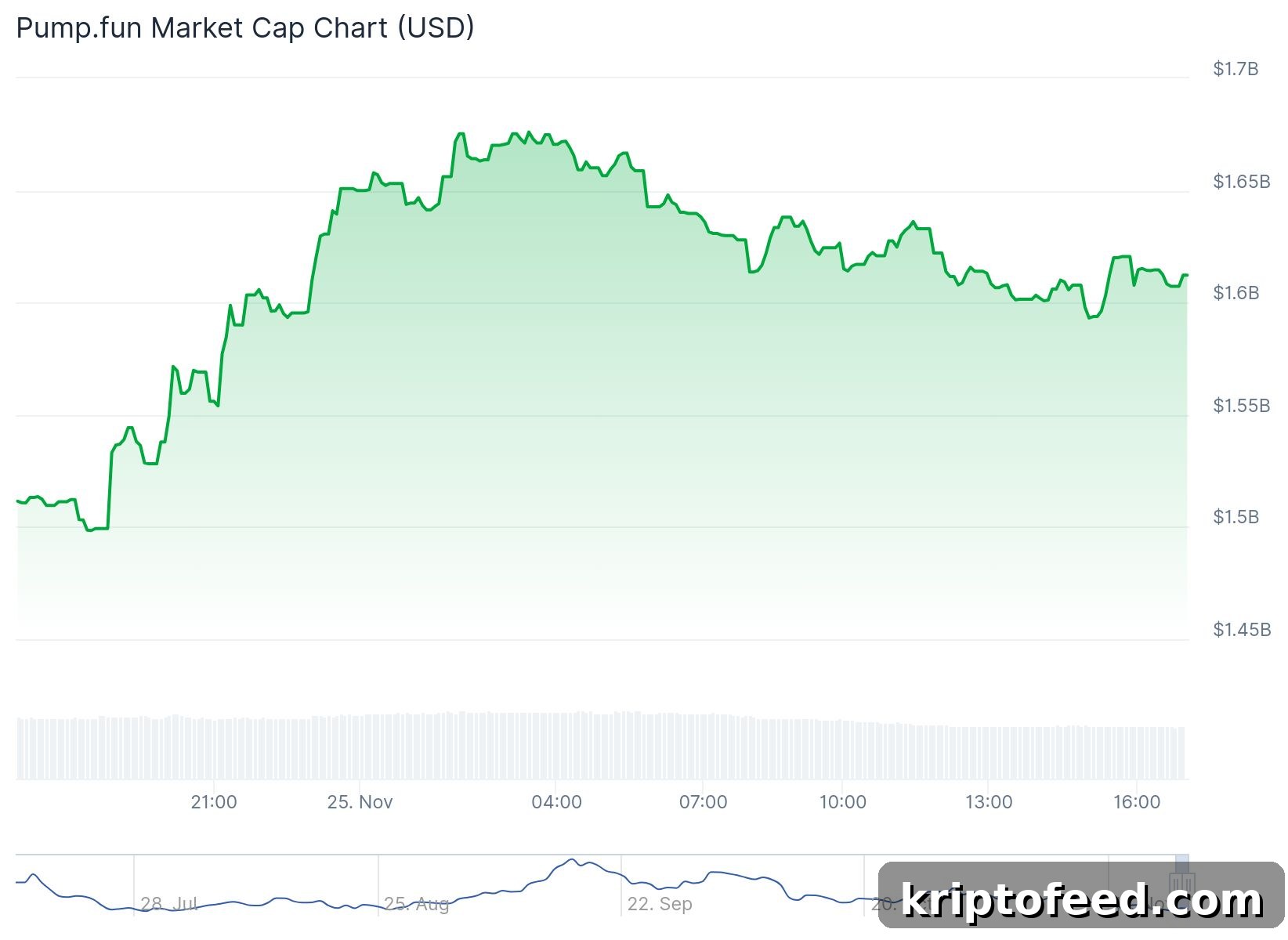
The price movement added further intensity to community debate as participants assessed whether the treasury’s actions matched the token’s market conditions.
Across X, posts revealed a split in sentiment.
Some users argued that the explanation raised more questions than it answered, pointing to discrepancies and calling for clearer communication from the team.
Others rejected the criticism, linking the treasury’s actions to concerns about token performance and execution.
A third group said Pump.fun had the right to manage its ICO proceeds and reserves as it saw fit, describing treasury transfers as routine post-ICO operations. For them, the key issue was whether USDC reserves properly supported the circulating supply.
Treasury structure becomes central
As more observers examined the fund flows, the discussion shifted from potential selling pressure to the broader structure of Pump.fun’s treasury.
The debate centered on the scale of reserves, how the project organized its wallets, and whether the team provided sufficient transparency about its financial management.
The presence of more than $855 million in stablecoins suggested that substantial capital remained under project control, but users continued to question the timing, purpose, and communication around the transfers.
The episode highlighted how treasury management can become a market-sensitive issue—especially when combined with declining revenues, volatile token prices, and community skepticism.
With attention on X remaining focused on the movements, conversation has moved toward expectations for transparency, reserve backing, and the team’s approach to supporting long-term development.