- Senator Lummis introduced a bill to include cryptocurrencies in mortgage underwriting considerations.
- The bill targets younger homebuyers and aligns with a recent FHFA guidance on cryptocurrencies.
- Critics point to cryptocurrency volatility as a potential mortgage-default risk.
U.S. Senator Cynthia Lummis of Wyoming has proposed legislation that, if enacted, would require housing finance agencies to consider digital assets when evaluating mortgage loan applications.
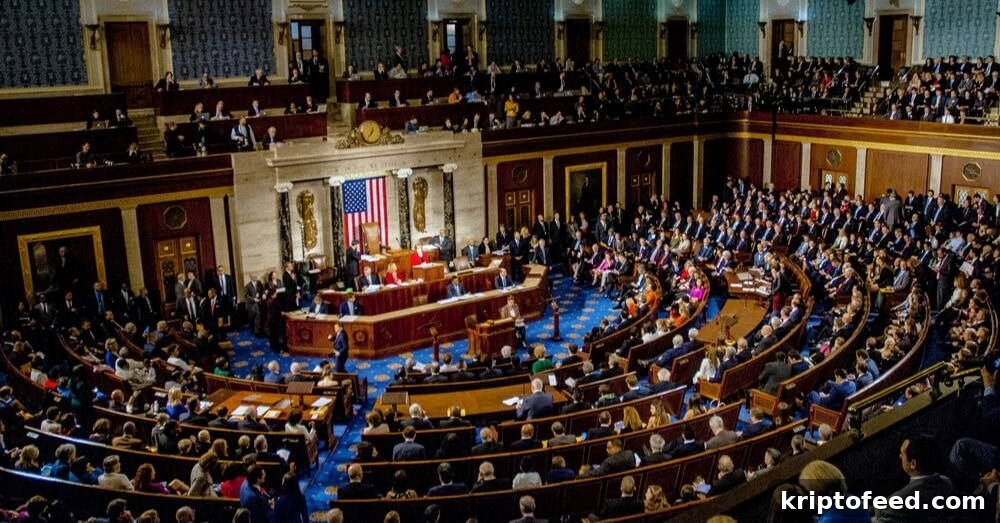
The proposal has sparked debate on Capitol Hill: supporters call it a step toward modernizing finance, while critics warn of possible risks tied to volatile digital assets.
Bill follows recent federal housing guidance
The proposed legislation, called the 21st Century Mortgages Act, seeks to codify a recent directive issued by the Federal Housing Finance Agency (FHFA).
The FHFA guidance directed Fannie Mae and Freddie Mac—two primary purchasers of mortgages in the U.S.—to take cryptocurrencies into account as part of asset evaluation for single-family mortgage lending.
Senator Lummis announced the bill soon after the FHFA guidance and said Congress should act to make the policy permanent by putting it into law.
According to Lummis, the bill reflects a modern approach to wealth-building—especially for younger Americans who are more likely to hold digital assets rather than traditional investments or savings.
Focus on younger generations of buyers
Citing U.S. Census Bureau data, Lummis noted that homeownership among Americans under 35 was only 36% in the first quarter of 2025.
For many in this age group, cryptocurrencies make up a significant portion of their net worth.
The bill aims to address the growing need to consider all forms of personal wealth—not just fiat currency or conventional assets—during the mortgage underwriting process.
If enacted, the law would allow borrowers to retain their crypto holdings without being forced to liquidate them into U.S. dollars for mortgage qualification purposes.
Proponents say this approach keeps pace with how wealth is evolving and recognizes the financial realities of modern young adults.
Resistance from some Democratic lawmakers
Despite its potential to broaden access to credit, the proposal has met with early resistance.
Several Senate Democrats have expressed concerns about the FHFA guidance and, by extension, the proposed legislation.
In a letter sent to FHFA Director William Pulte on July 24, they urged the agency to fully assess the risks and benefits of integrating cryptocurrencies into mortgage underwriting.
The lawmakers warned that a borrower relying on volatile digital assets may face difficulty converting those holdings to cash during a downturn.
Such scenarios, they argued, could raise the risk of mortgage default, affecting not only individual borrowers but also the broader financial system.
Broader crypto legislation moving through Congress
The 21st Century Mortgages Act is one of several cryptocurrency-related bills currently under consideration in Congress.
Senator Lummis is also leading separate efforts to create a comprehensive regulatory framework for digital asset markets.
Meanwhile, the Senate is reviewing another bill that would prohibit the Federal Reserve from issuing a central bank digital currency (CBDC), following passage of a similar measure in the House earlier this month.
On the House side, Representative Nancy Mace introduced a related bill known as the American Homeowners’ Crypto Modernization Act.
Mace’s proposal would require mortgage lenders to account for the value of digital assets held in brokerage accounts linked to cryptocurrency exchanges when assessing creditworthiness during the mortgage underwriting process.