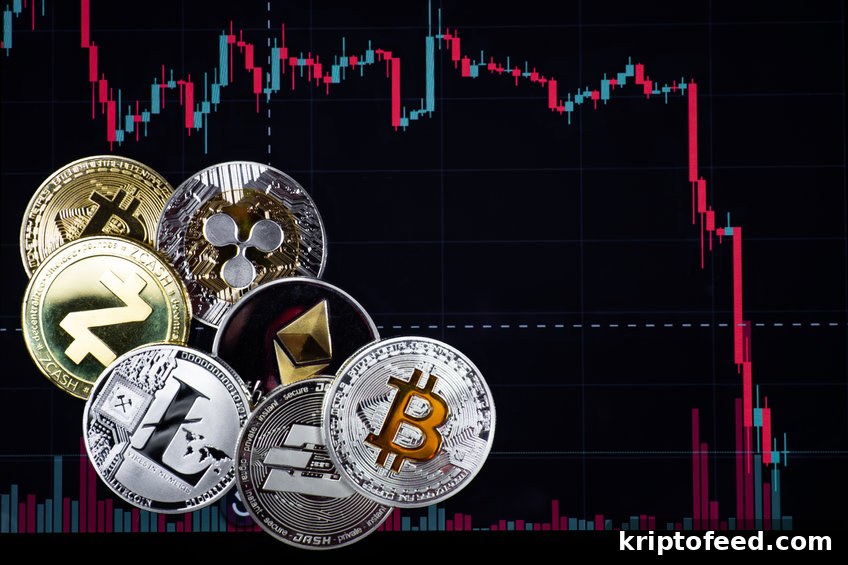
After rising more than 8% on Wednesday, Bitcoin has fallen again, dragging most popular cryptocurrencies down with it. Bitcoin had shown an optimistic trend over the past week, briefly topping $42,000 before reversing course and slipping to around $39,000 at the time of writing.
Ethereum, the second-largest cryptocurrency by market capitalization, followed suit and is now trading near $2,500. The downturn affected the majority of the top 100 coins, many of which had surged in recent days.
In this article, we examine the factors weighing on the crypto market. Why does it collapse each time it tries to recover?
Why did Bitcoin and most coins fall today?
The main factor contributing to today’s crypto market decline is the ongoing conflict between Russia and Ukraine. Russia’s invasion of Ukraine appears to be impacting not only equity markets but also digital assets like Bitcoin (BTC).
Some analysts, such as Mark Mobius, argue that the conflict in Eastern Europe may have helped Bitcoin remain resilient. However, the broader reality is that the crypto market could face a significant downturn if the war continues—something reflected in recent price action.
Short-lived impact of Biden’s executive order
The brief positive momentum was largely attributed to the long-anticipated executive order issued by U.S. President Joe Biden. Once the order was signed, the news boost faded within hours, leaving the market vulnerable to intense selling pressure triggered by the Russia–Ukraine war.
The prospect of the conflict widening casts an even greater shadow over crypto markets. Investors are either withdrawing capital entirely or pausing purchases of risk assets such as Bitcoin, fearing further price declines.
Warren Buffett of Berkshire Hathaway has cautioned that buying Bitcoin during wartime is unwise, and many investors appear to be heeding that advice. Uncertainty about how the conflict might unfold remains high, with questions about the responses major nations—such as the United States, the United Kingdom, Germany, France, and China—would take if Russia escalates its attacks.