- The GENIUS bill was approved by the Senate Banking Committee on March 13 by an 18-6 vote
- The goal is to get the bill to U.S. President Donald Trump’s desk and have it signed within the next two months
- The STABLE Act is scheduled for the House Financial Services Committee on April 2
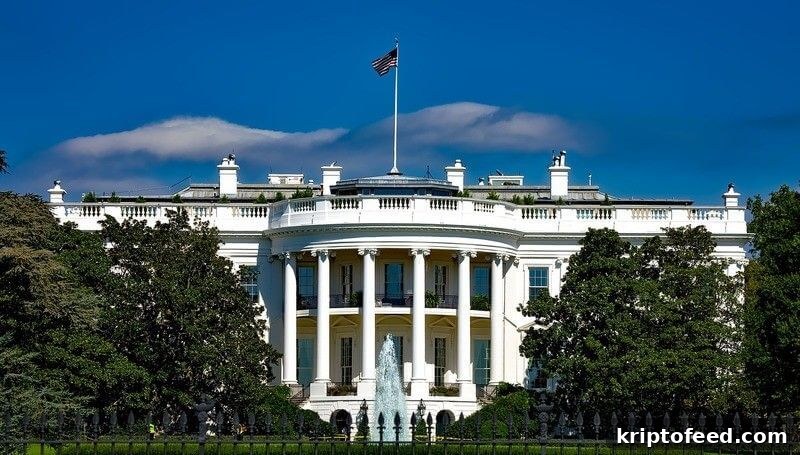
The White House is urging Congress to pass the GENIUS Act, a bill designed to establish a regulatory framework for payments made with stablecoins.
Introduced by Senators Cynthia Lummis and Bill Hagerty on February 4, 2025, the bill was approved by the Senate Banking Committee on March 13 by an 18-6 vote, according to reports from Crypto in America.
The push aims to get the measure to U.S. President Donald Trump’s desk and have it signed within the next two months. Next month, the bill is expected to reach the full Senate for debate under the oversight of Senate Majority Leader John Thune.
One lobbyist said, “Pressure is already mounting to move the bill quickly,” adding that “if the GENIUS bill reaches 70 votes, there will be significant pressure on the House to acquiesce and pass it as written.”
The STABLE Act, introduced and sponsored by Representatives French Hill and Bryan Steil on February 6, 2025, is scheduled for consideration by the House Financial Services Committee on April 2.
STABLE Act versus GENIUS Act
Both bills aim to create a regulatory framework for stablecoins in the United States, and they share several core similarities.
Both proposals designate the Office of the Comptroller of the Currency (OCC) as the federal regulator for nonbank issuers seeking federal charters. They also seek to establish a secure regulatory pathway for issuers that file timely applications with the appropriate regulator.
However, the bills also include important differences. The GENIUS Act contains an explicit ban on algorithmic stablecoins—digital assets that maintain their peg through smart contracts and automated algorithms. The GENIUS Act also creates a two-tiered framework for issuers that circulate more than $10 billion in payment stablecoins.
By contrast, the STABLE Act does not impose a cap on state-issued stablecoins and does not address insolvency provisions for stablecoin holders in the event an issuer becomes insolvent.
In March, Representative Hill said: “A properly regulated stablecoin market can strengthen the U.S. dollar’s dominance, modernize our payments infrastructure, and expand access to financial services without unnecessary government intrusion. It is essential that we are deliberate and that this work is done right.”