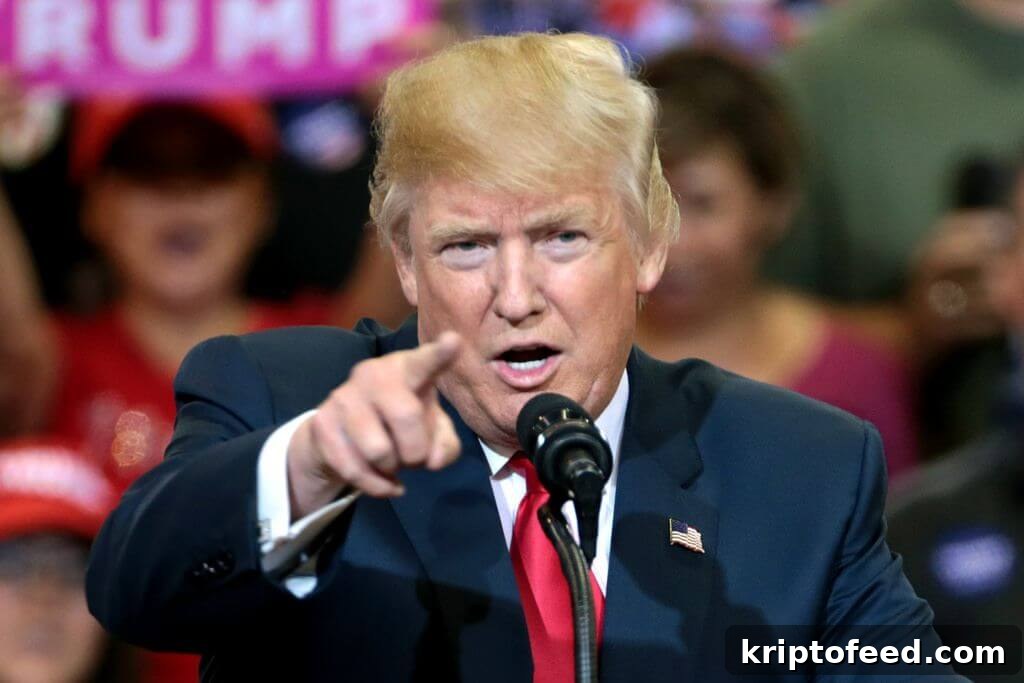
- Trump’s transition team is eyeing XRP, Solana and USDC reserves as part of an “America First” policy
- The move is aimed at promoting U.S.-based crypto innovation
- Some worry this approach could sideline Bitcoin or shift market dynamics away from it
Donald Trump’s transition team is reportedly considering the creation of a strategic reserve for select digital assets beyond Bitcoin. According to sources, the focus is on cryptocurrencies with strong U.S. ties—namely XRP, Solana (SOL), and the dollar-backed stablecoin USDC—with the stated goal of strengthening America’s position in the global crypto market. This initiative would fit within a broader “America First” agenda and could mark a significant shift in how the U.S. government recognizes and supports crypto projects developed or headquartered in the United States. Advocates view a strategic reserve as a tool to encourage innovation and help maintain U.S. leadership in emerging financial technologies.
XRP, Solana and USDC are tied to U.S.-based companies
XRP is associated with Ripple Labs, a cross-border payments company based in San Francisco. Solana is connected to Solana Labs, also headquartered in San Francisco, while USDC is issued by Circle, headquartered in Boston, Massachusetts. Including XRP—currently involved in a high-profile legal dispute with the SEC—could signal a change in regulatory tone under a Trump administration. Reports indicate that Ripple CEO Brad Garlinghouse and other industry figures have engaged with Trump, suggesting a potential thaw in previously tense relations between parts of the crypto industry and U.S. regulators.
Great dinner last night with @realDonaldTrump & @s_alderoty.
Strong start to 2025! pic.twitter.com/UjM6lahUG4
— Brad Garlinghouse (@bgarlinghouse) January 8, 2025
Solana, recognized for high throughput and often positioned as a competitor to Ethereum, along with USDC—one of the most widely used dollar-pegged stablecoins—are both under consideration. Government endorsement or formal acceptance of these platforms could accelerate development and broader adoption. The crypto industry is closely watching for executive orders or policy announcements that could accompany the Trump administration’s start on January 20. Many in the sector hope for regulatory change, including a potential reversal of guidance like SAB 121, which could open the door for banks to engage more fully with crypto assets. As inauguration approaches, observers will look to see whether strategic reserves gain approval and how such a decision might shape the future of digital assets in the United States—potentially opening a new chapter for U.S. crypto policy under Trump’s leadership.
Does this mean Bitcoin will be overlooked?
The proposal has sparked debate across the crypto community. Supporters applaud the potential legitimization and support for U.S.-origin crypto projects, while critics worry that prioritizing selected domestic assets could marginalize Bitcoin—the original and most widely adopted cryptocurrency. There are concerns that policy-driven emphasis on a narrow set of altcoins could alter market dynamics and challenge the decentralized ethos many in the space value. That said, there’s no clear indication that the transition team intends to exclude Bitcoin entirely. During the campaign, Trump at one point proposed creating a Bitcoin reserve, and time will tell how these competing ideas are reconciled. With less than a week remaining before the scheduled inauguration, the specifics of any strategic reserve plan and its implications for Bitcoin and the broader crypto landscape remain uncertain.