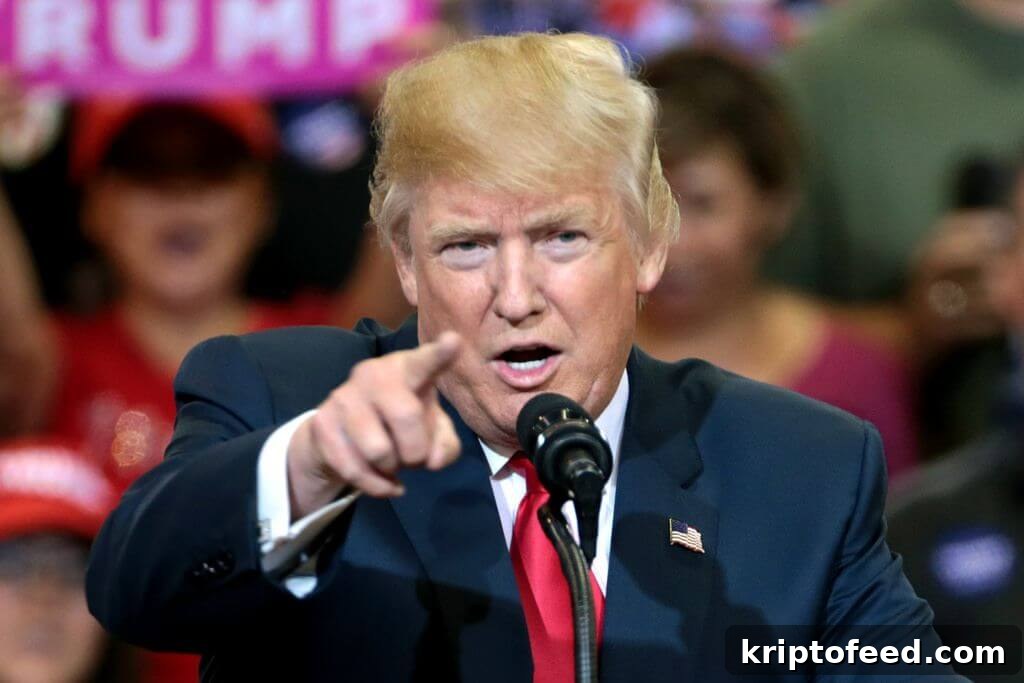
- Trump’s team is considering reserves of XRP, Solana, and USDC as part of an “America-first” policy.
- The move aims to boost American crypto innovation.
- Some question whether this will come at the expense of the promised Bitcoin reserve.
Donald Trump’s transition team is actively considering the creation of strategic reserves for digital currencies beyond Bitcoin.
Sources indicate the focus is on US-based cryptocurrencies such as XRP, Solana, and the USDC stablecoin, with the stated goal of strengthening America’s position in the global crypto market.
This initiative is part of Trump’s broader “America-first” agenda and could signal a meaningful shift toward recognizing and supporting cryptocurrencies that originate in the United States within the realm of digital finance.
Supporters view the proposal to establish strategic reserves for these assets as a way to encourage innovation and preserve U.S. leadership in emerging financial technology.
XRP, Solana and USDC are all tied to U.S.-based companies
XRP is associated with Ripple Labs, a cross-border payments company based in San Francisco. Solana (SOL) is linked to Solana Labs, also headquartered in San Francisco, while USDC is tied to Circle, based in Boston, Massachusetts.
Including XRP — which has been embroiled in legal disputes with the U.S. Securities and Exchange Commission — could indicate a potential shift in regulatory attitudes under a Trump administration.
Ripple’s CEO Brad Garlinghouse and other industry leaders have reportedly been in contact with Trump, suggesting a possible thaw in relations between the crypto sector and regulators.
Great dinner last night with @realDonaldTrump & @s_alderoty.
Strong start to 2025! pic.twitter.com/UjM6lahUG4
— Brad Garlinghouse (@bgarlinghouse) January 8, 2025
Solana, known for its high throughput and often positioned as a competitor to Ethereum, along with USDC — one of the most widely used dollar-pegged stablecoins — are also under consideration.
Such a move could spur further development and adoption of these platforms by providing them with some form of government recognition or de facto support. The crypto industry is on alert for any executive orders or policy announcements that might emerge from the Trump administration ahead of the inauguration.
Industry participants are especially hopeful for regulatory changes, including the potential repeal of SAB 121, which could expand banks’ ability to engage with crypto assets.
As the inauguration approaches, attention will focus on whether these strategic reserves gain approval and how they might shape the future of cryptocurrency in the United States, potentially marking a new chapter in digital finance under Trump’s leadership.
Does this mean Bitcoin could be sidelined?
The proposal has sparked debate within the crypto community. While some applaud the potential for increased legitimacy and support for U.S.-based digital currencies, others worry that such a focus could sideline Bitcoin — the original and most recognized cryptocurrency.
Critics fear these policies might skew market dynamics in favor of selected altcoins, which could conflict with the decentralized ethos many in the crypto ecosystem value. At present, there is no clear indication the transition team intends to abandon Bitcoin.
During his campaign, Donald Trump did at one point propose creating a Bitcoin reserve. Only time will tell how these discussions conclude, especially with the inauguration imminent.