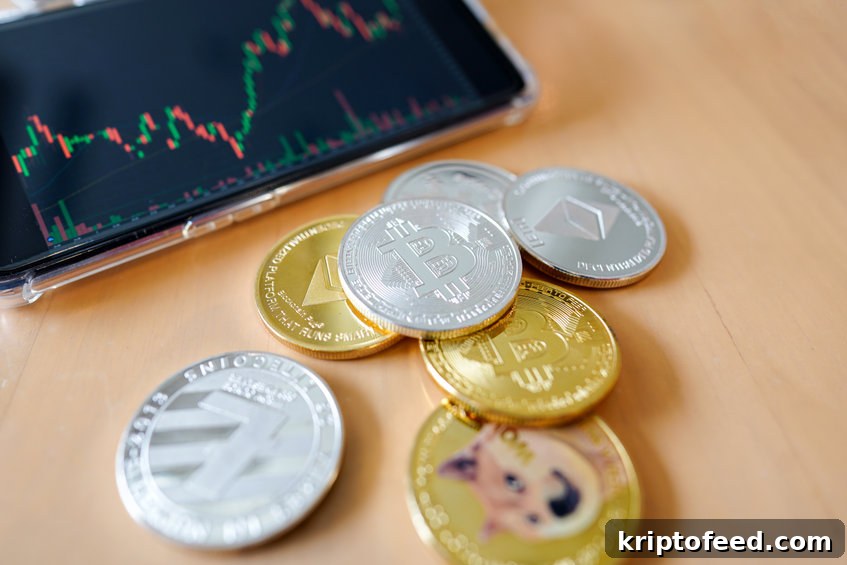
Entering the cryptocurrency space can seem daunting for first-time investors, but it doesn’t have to be expensive. Many exchanges let you purchase fractional amounts of high-value coins such as Bitcoin (BTC), so small purchases of $50 or $100 are possible. Still, some buyers prefer to own whole tokens, and that’s where cheaper alternatives—altcoins—become attractive.
Altcoins are cryptocurrencies that serve as alternatives to Bitcoin. Many of them have very low price points, making them accessible to nearly anyone. These lower-cost tokens are often used for online transactions more frequently than high-value coins because their low unit prices reduce the effective transaction cost.
How to Choose Solid, Affordable Cryptocurrencies
The tokens highlighted here were selected after evaluating each project’s utility, development progress, and long-term potential. As of early 2022 there were more than 17,500 cryptocurrencies available, and many projects launch at low prices before rising in value if their use cases gain traction. That potential for significant gains is a major reason why inexpensive tokens attract investors: early buyers may see substantial returns if a project succeeds.
However, picking good low-cost cryptocurrencies requires caution. Many projects exist mainly to capitalize on hype and lack real utility. For this reason, the list below focuses on tokens that demonstrate practical use, active development, and credible roadmaps. Here are five affordable tokens worth considering based on those criteria.
Best Cheap Tokens to Buy (February 2022)
- Stellar (XLM)
- Hedera (HBAR)
- Shiba Inu (SHIB)
- Siacoin (SC)
- DigiByte (DGB)
Stellar (XLM)
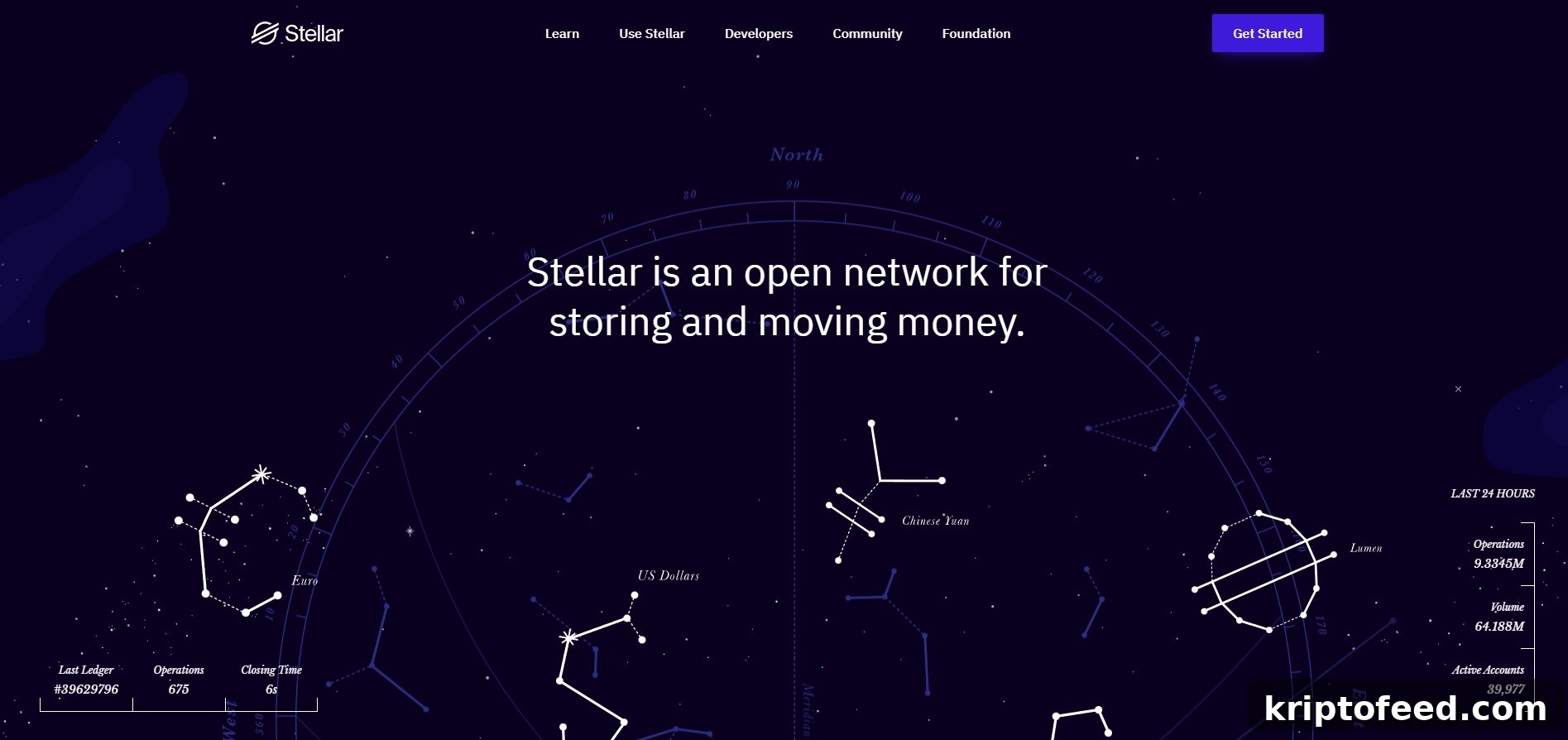
Stellar’s native token, XLM (also called Lumen), fuels the Stellar network—an open-source protocol designed to facilitate fast, low-cost transfers between digital currencies and fiat across borders. Stellar aims to make cross-border payments cheaper and more efficient than traditional providers, acting as a bridge to settle assets between different currencies. Its focus on payments and remittances gives it a clear, practical use case.
Hedera (HBAR)
HBAR is the native token of the Hedera network. Hedera Hashgraph uses a directed acyclic graph (DAG) approach rather than a traditional blockchain, aiming to offer faster, more secure, and highly scalable consensus. The network targets enterprise-grade applications and governance by a council of major organizations. HBAR is used to pay transaction fees and to support in-app payments and micropayments, with a capped supply that helps define the token’s economic model.
Shiba Inu (SHIB)
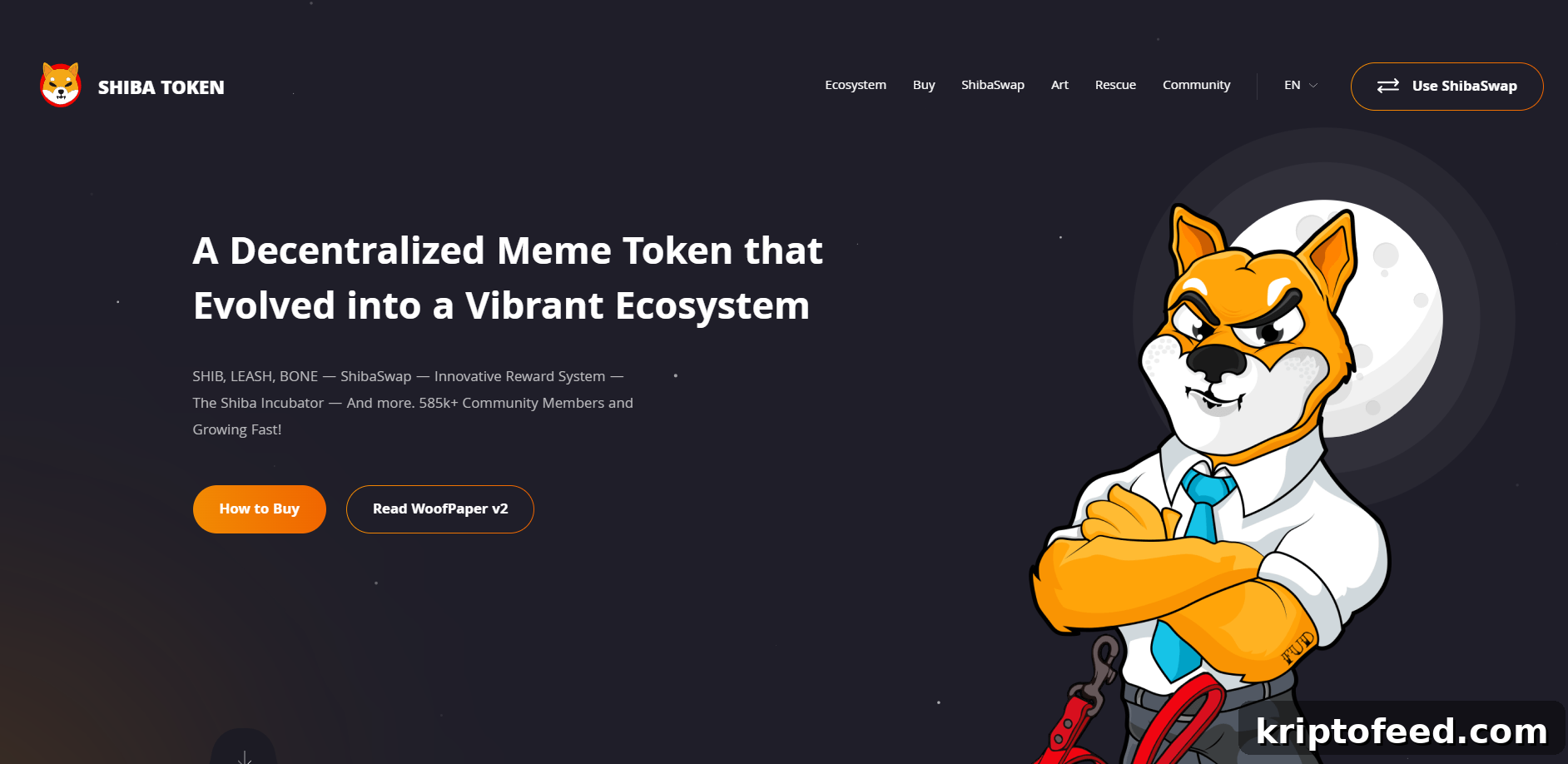
Shiba Inu (SHIB) began as a meme token inspired by Dogecoin but has grown into its own ecosystem. The project introduced ShibaSwap, a decentralized exchange, and additional tokens such as BONE and LEASH to expand functionality. Much of SHIB’s popularity stems from a strong and engaged community and social media attention, which helped raise awareness and drive adoption.
Siacoin (SC)
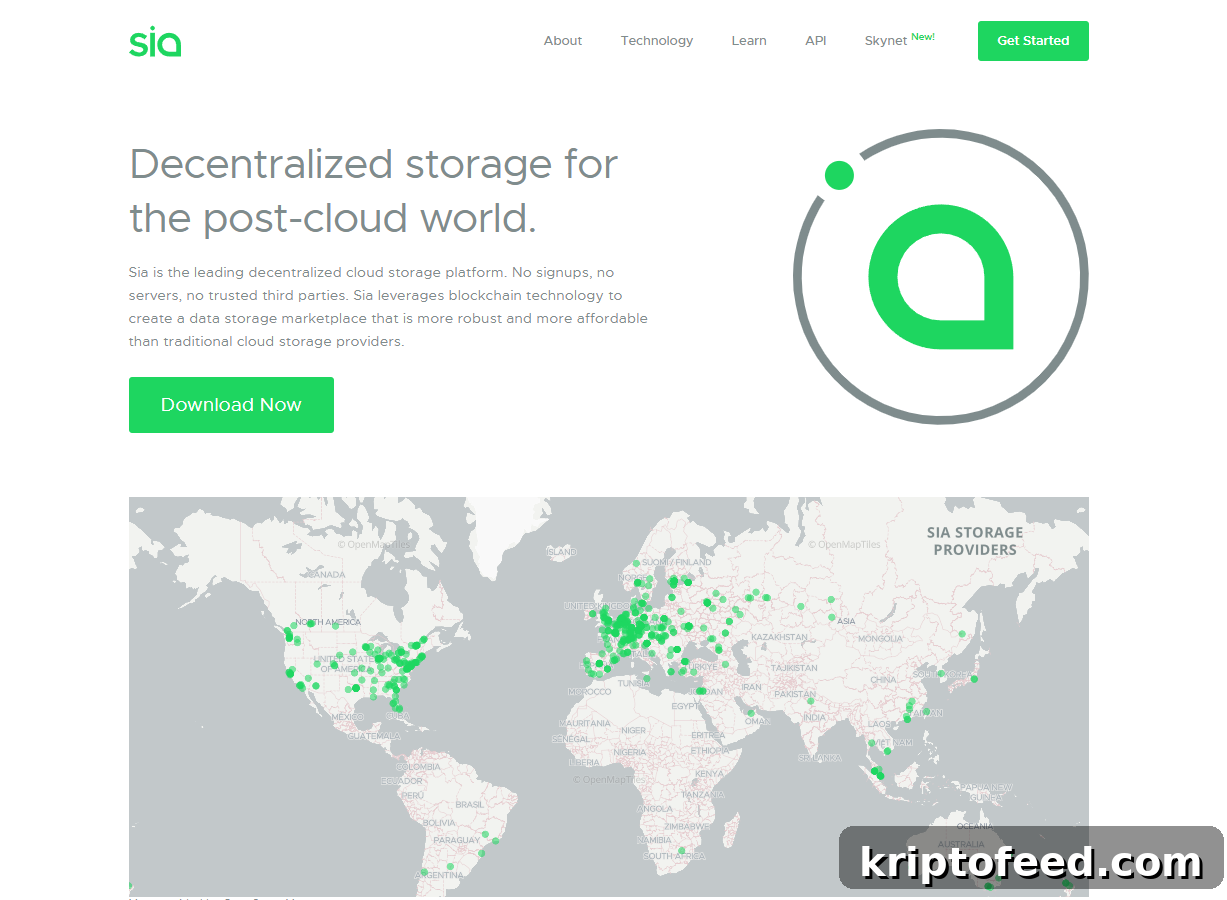
Siacoin (SC) is the utility token for Sia, a decentralized cloud storage marketplace. Sia enables users to rent out unused hard drive space through smart contracts, creating a trustless and encrypted storage solution. SC is the payment medium within the Sia ecosystem, used to pay for storage services and to secure storage agreements on the network.
DigiByte (DGB)
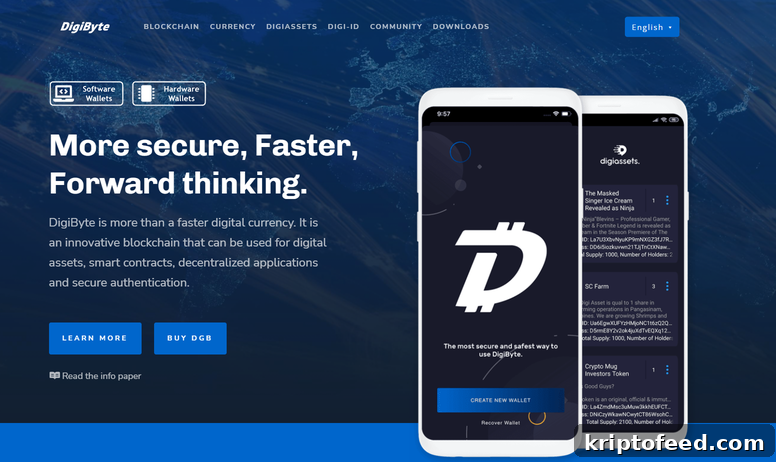
DigiByte (DGB) is an open-source blockchain and asset creation platform that began development in 2013 and launched in early 2014. Initially a fork of Bitcoin, DigiByte differentiates itself by employing five distinct mining algorithms to enhance security, increase capacity, and improve transaction speed. DGB is used to pay network fees and to power transactions and smart contract functionality on the platform.
Summary
These five tokens demonstrate a range of practical use cases—from cross-border payments and enterprise-grade distributed ledgers to decentralized storage and niche ecosystems. While many other low-priced tokens exist, the options above stand out for their demonstrated utility, active development, and established communities. Always perform your own research and consider the underlying fundamentals of any project before investing.