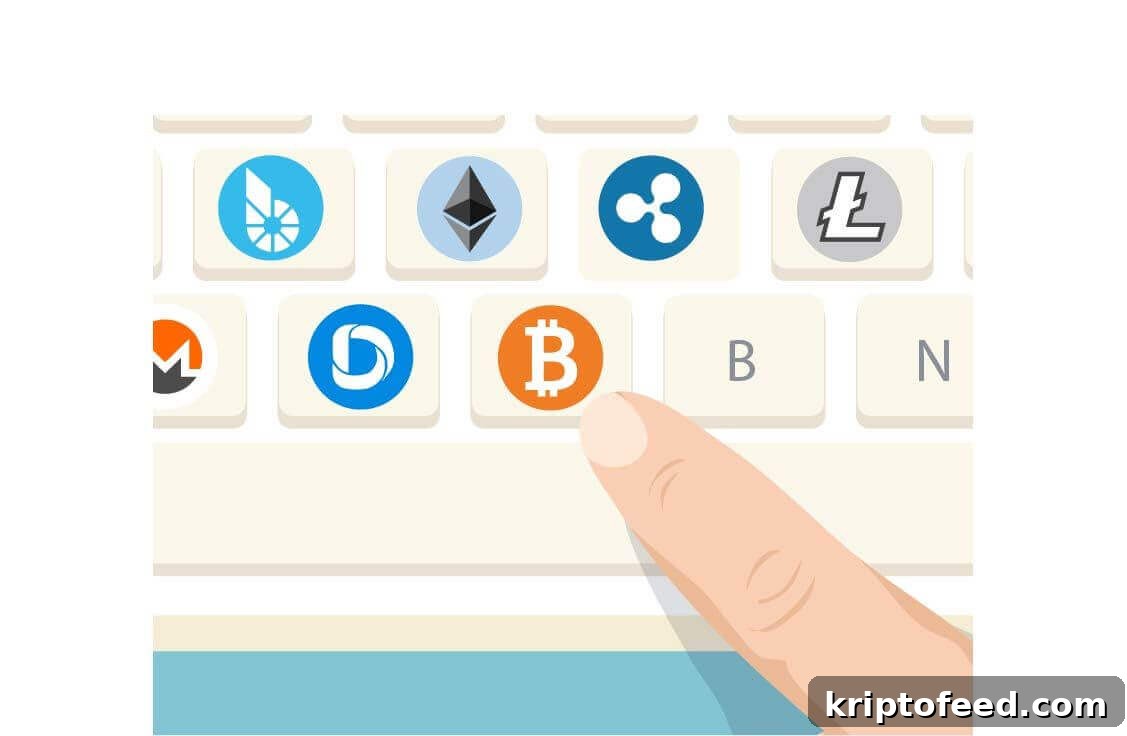
Do you feel like you missed the boat on Bitcoin trading? Don’t worry—there are plenty of new opportunities. In the fast-moving world of cryptocurrencies, new coins and blockchain applications appear every day. That means there are always more “boats” if you want to invest in altcoins. However, investing in altcoins is more complicated than most people expect. This guide will show you exactly what to look for and how to get started.
Step 1: Choose a secure wallet for your altcoins
Before you buy altcoins, you need a place to store them. You can’t keep them in your regular wallet or deposit them in a bank account—you need a cryptocurrency wallet. While exchange wallets and online wallets are available, they are generally less secure and less practical. If safety is important to you, start with a hardware wallet. Pick a wallet that supports a wide range of coins so you can store many different altcoins in one device. Popular and reputable options include:
- Trezor
- KeepKey
- Ledger (in particular the Ledger Nano S)
Step 2: Use a fiat exchange to make your first deposit
Many exchanges only allow users who already own cryptocurrency to trade, which can be frustrating when you want to buy your first altcoin. To start from fiat currency, use a fiat exchange—an exchange that accepts deposits in euros. One of the better-known options is Litebit, prized for its support of iDeal and a wide selection of altcoins. If you want even faster service, consider AnyCoinDirect, which is known for speed.
Bring me directly to Litebit so I can deposit with iDeal!
Step 3: Research altcoins before you invest
With so many coins available, choosing the right one can be difficult. Our cryptocurrency overview lists numerous altcoins and explains what they are, how they work, and why they might be a good investment. When evaluating coins for long-term value, consider several practical factors:
- How large and active is the community around the altcoin?
- Are companies using the blockchain application, like VeChain’s enterprise focus?
- Does the altcoin solve a genuine problem or remove a real obstacle?
- Which developers or teams are behind the project?
Finding clear answers to these questions will give you a realistic picture of an altcoin’s future prospects. Sometimes that research will show a project has no viable future; other times you’ll discover a coin that aligns with your investment goals and vision.
Step 4: Don’t put all your money into a single altcoin
No matter how promising one particular altcoin looks, avoid investing all your funds into a single coin. Diversify across multiple altcoins—even if you only plan to trade with €100. Splitting your investment among three different coins helps protect you if one coin’s price suddenly drops; the others may rise or remain stable. If you invest more than €100, expand the number of coins in your portfolio, especially if you’re new to altcoin trading.
Never invest money you can’t afford to lose. Cryptocurrency markets are highly volatile and offer no guarantees.
Choose the right exchange and begin your journey
Don’t stay forever on a fiat exchange. When you’re ready to trade actively, you’ll want a platform that offers higher trading volume and lower fees. Consider exchanges like Kraken or Binance, where thousands of beginners take their first trading steps every day.