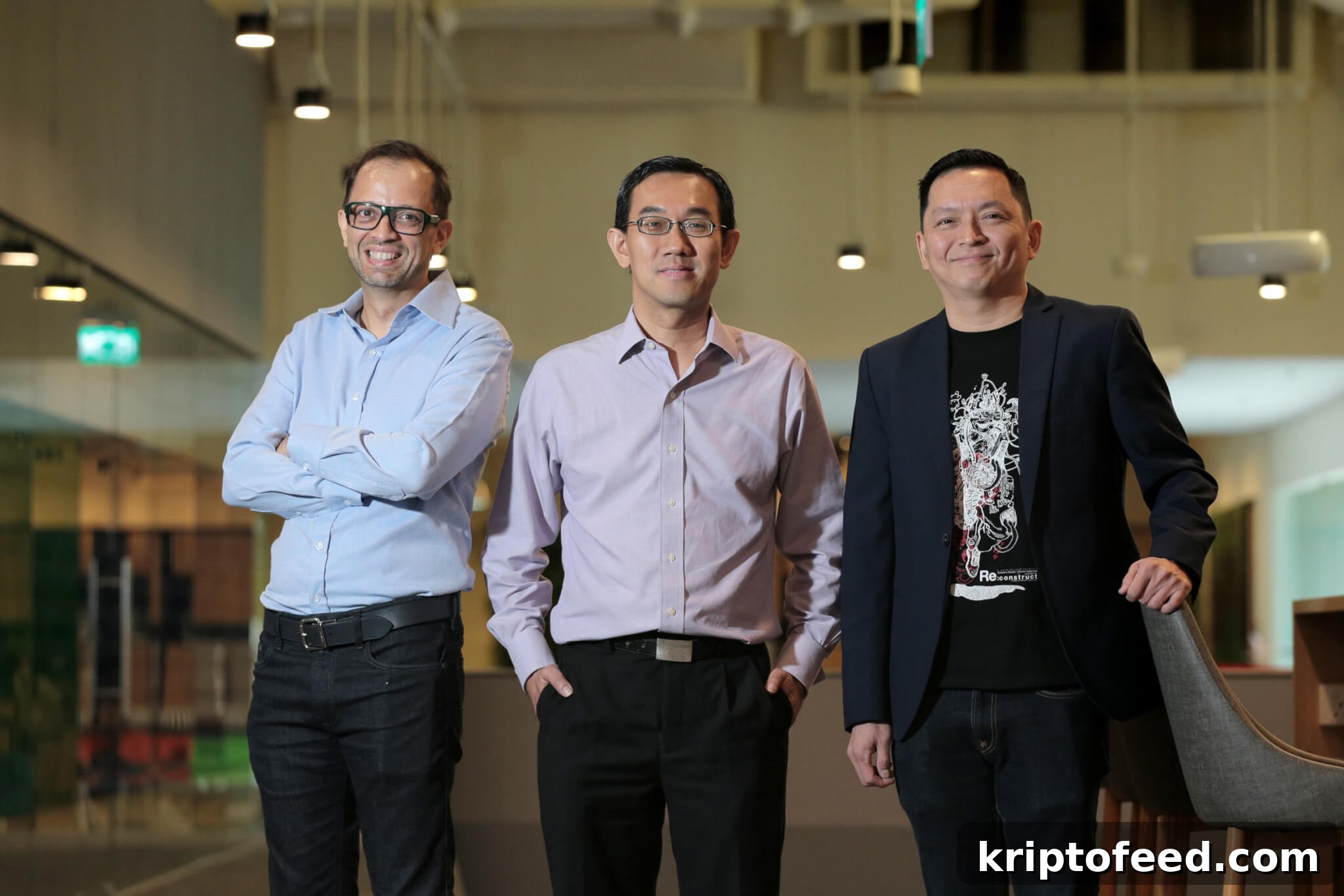
Media company Singapore Press Holdings (SPH), insurer NTUC Income (Income), and LumenLab, MetLife’s Asia innovation center, have partnered to pilot a blockchain platform designed to automate the life insurance claims process, the companies said on Monday.
Using LifeChain, a blockchain solution developed by LumenLab, SPH will securely encrypt and share verification information used for obituary placement with Income to trigger the claims workflow. The initiative aims to make it easier for families handling a deceased person’s administrative affairs while streamlining the life insurance claim experience.
The LifeChain pilot will begin this month and involve 1,000 randomly selected Income life policyholders.
During the pilot, family members who place obituaries in SPH’s The Straits Times will be informed about LifeChain. With their consent, the deceased person’s National Registration Identity Card (NRIC) number will be hashed and submitted to the platform to search for any matching life insurance policies.
If a match is found, SPH will notify family members within one working day, and LifeChain will automatically send an email notification to Income to initiate the claims process. If no match is found, family members will be informed so they can contact insurers directly and proceed with checks and claims themselves.
Peter Tay, Income’s Chief Operating Officer and head of its Digital Transformation Office (DTO), said blockchain provides greater transparency, stronger security, improved traceability, and faster, more efficient transactions—benefits that align with Income’s priorities.
“We are excited to be the first insurer to come on board LifeChain. We believe it will enable us to better protect our policyholders’ personal information while enhancing their customer experience with Income,” Tay said.
Julian Tan, head of digital business at SPH, said the media company hopes to extend LifeChain to include more insurers over time.
“SPH aims to be the go-to partner for insurers to reach beneficiaries as soon as an obituary is placed,” Tan said.
“This initiative supports our digital business strategy by leveraging innovation and growing partnerships to serve our customers better.”
LifeChain is the latest blockchain-based effort targeting improvements in the insurance sector.
For example, Allianz piloted blockchain and smart contracts to accelerate contract management for catastrophe swaps and bonds.
In another case, a consortium including EY, Guardtime, A.P. Møller–Mærsk, Microsoft, and ACORD launched Insurwave, a blockchain-powered marine hull insurance platform, in 2018.
Insurwave moved into commercial use and was projected to manage risk for more than 1,000 commercial vessels and process roughly 500,000 automated transactions in its first year. The consortium plans to expand the platform to other commercial insurance lines, including cargo, aviation, and logistics.