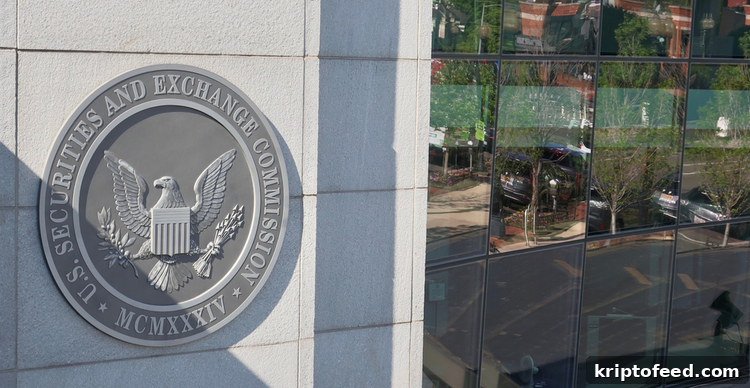
- SEC Chair Gary Gensler said commodities and securities on trading platforms are currently intertwined.
- He also criticized the absence of a direct redemption right for the leading stablecoins and raised concerns about conflicts of interest.
United States Securities and Exchange Commission (SEC) Chair Gary Gensler spoke yesterday about a range of issues involving crypto-assets and their regulation during the annual Penn Law Capital Markets Association conference.
As he frequently does, Gensler emphasized the need to protect investors from losses in the crypto space — citing incidents such as the roughly $14 billion stolen last year — and argued that regulation is the most effective way for his agency to provide those protections. The SEC chair suggested a stricter regulatory framework to govern crypto market makers.
Gensler supports the idea of registering crypto trading platforms so they would be subject to similar regulatory requirements as exchanges.
“I have asked staff to consider how to work with platforms to register and be regulated and to best protect customer assets, including whether it would be appropriate to separate custody,” Gensler noted.
He further explained that, to provide clearer regulatory guidance, the SEC is exploring how to establish joint oversight with the Commodity Futures Trading Commission (CFTC), since the definitions of securities and commodities are closely connected to current trading platforms.
“I have asked staff to work with the Commodity Futures Trading Commission (CFTC) on how we might jointly address platforms that could trade both crypto-based securities tokens and certain commodity tokens,” he said.
Gensler also warned that the recent surge in advertising for crypto assets, which has reached a wide range of venues including the Super Bowl, does not equate to credibility. He stressed that, as in other sectors, innovation in crypto is not guaranteed to survive simply because of hype.
A blow to stablecoins
The SEC chair also addressed issues related to stablecoins, which have drawn regulatory attention in recent months, including the president’s Financial Markets Working Group report released last November that recommended stricter issuance controls for dollar-pegged tokens.
In this context, Gensler highlighted conflicts of interest, pointing especially to the three largest stablecoins and urging increased scrutiny. Because these tokens were issued by trading or lending platforms, he questioned their integrity. He also scrutinized USDC and USDT for lacking a direct redemption right.
“The three largest stablecoins were created by the trading or lending platforms themselves, and U.S. retail investors do not have a direct redemption right for the two largest stablecoins by market capitalization. There are conflicts of interest and market integrity questions that would benefit from greater oversight.”