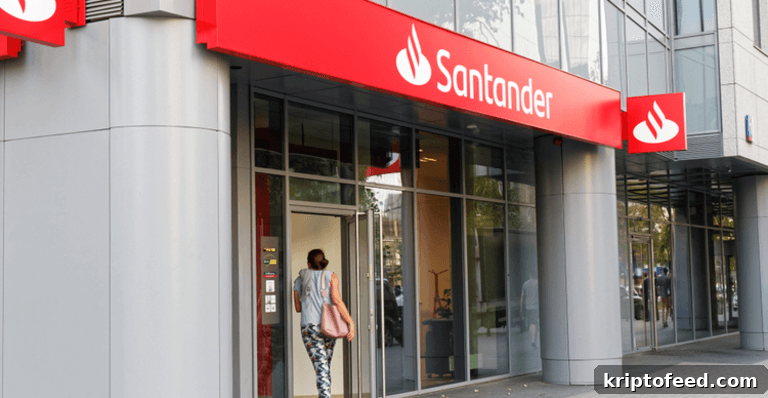
In an email to customers yesterday, Santander said it was acting to protect against fraud after the FCA’s warning
Binance has recently faced a series of regulatory challenges, with authorities in the UK, Japan and the Cayman Islands issuing warnings about the exchange. Those developments have prompted some banks to take measures to restrict customer payments to the platform.
Yesterday, Santander began blocking payments to Binance “wherever possible,” although the bank has not placed any limits on transfers from Binance into Santander accounts for the time being. In an email to customers, Santander said it took the step to protect account holders from potential fraud following a warning issued last month by the Financial Conduct Authority (FCA).
“We’re taking this step as we want to do everything we can to protect you and help keep your money safe,” the email said. “We’ll continue to monitor the situation, and let you know if anything changes.”
Santander also emphasized that crypto assets can carry significant risk and that investors in cryptocurrencies may not be covered by the Financial Ombudsman Service or the Financial Services Compensation Scheme if things go wrong.
The bank noted, “In recent months we have seen a large increase in customers in the UK becoming the victims of cryptocurrency fraud.”
The move from Santander follows similar action by Barclays, which recently blocked credit and debit card payments to Binance. Binance responded on Twitter earlier in the week, saying the bank’s decision appeared to be “based on what appears to be an inaccurate understanding of events.”
Binance pointed out that the FCA’s notice referred to Binance Markets Limited (BML), a UK-incorporated company regulated by the FCA, and stressed that BML is a separate legal entity that does not provide products or services through binance.com.
On Wednesday, Binance CEO Changpeng Zhao published a letter on the company’s blog reflecting on the exchange’s recent progress and outlining next steps in response to regulatory pressures.
Planned initiatives include building more compliance partnerships, growing the exchange’s international compliance team, and improving regulatory alignment by localising operations and business functions to better meet local requirements.