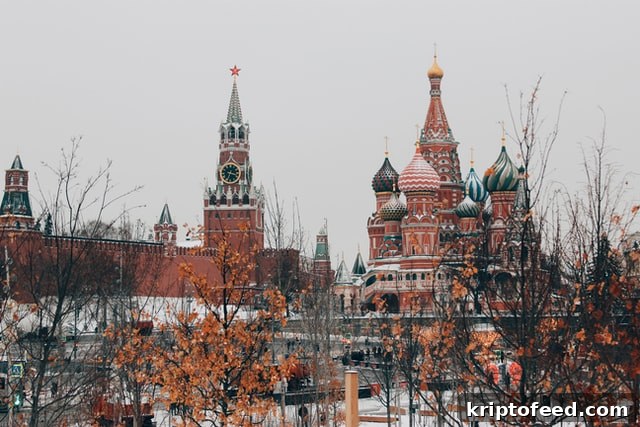
The Russian Ministry of Finance has introduced new regulations that allow consumers to invest in Bitcoin.
New Regulations on Bitcoin
The Russian Ministry of Finance has submitted a new regulatory draft on cryptocurrencies to the government. In a statement, the Treasury Department said the proposal will permit Russians to invest in digital assets such as Bitcoin. However, using cryptocurrencies for purchases will remain prohibited for now.
The Russian government and central bank have been debating cryptocurrency policy for some time. Last month the Finance Ministry said a strategy for the development of crypto technology would be necessary. That announcement followed a call from the central bank to ban Bitcoin mining and crypto transactions, which sparked significant disagreement among regulators over final rules.
Soon after, President Vladimir Putin said Russia holds an advantage in crypto mining due to surplus electricity and a well-trained workforce. Putin urged the Ministry of Finance and the central bank to reach an agreement.
“The use of digital currencies as a means of payment in the Russian Federation remains prohibited. Under the proposed regulation, digital currencies are considered solely as an investment instrument” – the statement read.
The statement added that exchanges must meet specific criteria to obtain a license and emphasized the importance of KYC controls on exchanges and in banks.
Cryptocurrencies in Russia
According to the statement, citizens who wish to invest in cryptocurrencies must pass an exam assessing their investment knowledge. Those who pass will be allowed to invest up to 600,000 Russian rubles per year in cryptocurrencies (approximately 5,590 GBP). Individuals who do not pass will be limited to just 50,000 rubles.
The cryptocurrency ecosystem in Russia is already well developed, particularly in Bitcoin mining — the process of validating transactions on the blockchain and creating new coins using powerful computers. Russian miners currently provide over 10% of the computing power used by the Bitcoin network.
Today’s statement did not include details on how Russia’s Bitcoin mining industry will be regulated. It did note that defining digital mining as an activity aimed at acquiring cryptocurrencies is firmly established.
Binance Joins the Banking Union in Russia
Last week Binance announced it had joined the Russian Banking Union to facilitate dialogue with local authorities, lawmakers and industry experts.
The association was founded in 1990 and includes more than 300 banks and financial institutions in Russia, representing nearly 90% of the country’s banking infrastructure.
The association’s board approved Binance’s membership, creating a dedicated expert center for digital financial assets and digital currencies. The center’s mission is to prepare professional assessments on the trading of digital assets in Russia and provide the association and its representatives with expert data on the subject. It will also share international experience in dealing with crypto assets.
High Level of Trust
Olga Goncharova, Binance’s director in Russia, will manage the center, a decision ratified by the association’s presidium. Goncharova joined the exchange in January to strengthen compliance efforts in Russia. Before joining Binance she served as a department director at the Bank of Russia.
Presenting Goncharova, association president Georgy Luntovsky noted she will oversee proper supervision of digital currency circulation in Russia and highlighted the following:
“We believe she is a good candidate to lead the platform. Experts will have the opportunity to discuss approaches to regulating and developing digital financial assets.”
Gleb Kostarev, director of Binance’s Eastern Europe division, expressed confidence that Binance’s expertise in the crypto market will be well received by the Russian banking community:
“We are on the threshold of a global transformation in crypto regulation. Binance, as the world’s largest crypto ecosystem, has a solid track record of cooperation with regulators.”
Binance is known to have close ties with some state-supported Russian organizations, as well as local blockchain supporters.