- Lookonchain reported $436.5 million in USDC moved to Kraken.
- Project revenue fell to $27.3 million in November.
- Wallets still held over $855 million in stablecoins and $211 million in SOL.
Pump.fun’s internal fund activity has drawn intense scrutiny after the project’s pseudonymous co-founder Sapijiju disputed claims that more than $436 million in stablecoins had been cashed out. The controversy began when blockchain analytics firm Lookonchain highlighted large transfers of USDC from wallets tied to the Solana memecoin launchpad to the Kraken exchange.
Those transfers sparked concerns about potential selling pressure and uncertainty over how the project manages its reserves. The report spread rapidly across X, prompting users to trace fund movements, reassess the project’s finances, and challenge the clarity of the explanations provided by the team.
USDC flows tied to internal management
In an X post, Sapijiju said the transfers were part of Pump.fun’s treasury management and were not sales. According to the co-founder, the USDC came from proceeds of the PUMP token’s initial coin offering and was moved between internal wallets to support the company’s runway and reinvestment plans. The post also asserted that Pump.fun had never worked with Circle.
Treasury management often includes reorganizing wallets, reallocating capital, and preparing budgets — actions that do not necessarily indicate selling or liquidation. Nonetheless, Lookonchain reported that transfers to Kraken had reached $436.5 million in USDC since mid-October, a figure that drew additional scrutiny because Pump.fun’s monthly revenue dropped to $27.3 million in November, its first decline below $40 million since July, according to DefiLlama.
Despite the concerns, on-chain data from DefiLlama, Arkham, and Lookonchain showed that wallets tagged to Pump.fun still held more than $855 million in stablecoins and roughly $211 million in Solana (SOL), which at the time traded around $136.43.
Analysts and community respond
Reactions among analysts and the community diverged. Nansen research analyst Nicolai Sondergaard viewed the reported transfers as a signal that further selling might follow. By contrast, research group EmberCN suggested the activity reflected institutional private placements of the PUMP token rather than an active dump.
These competing interpretations prompted a broader review of the token’s performance and the project’s structure. CoinGecko data indicated that PUMP traded at approximately $0.002714, down 32% from its ICO price of $0.004 and roughly 70% beneath its September high of $0.0085. At the time of reporting, PUMP had risen modestly to $0.002738, up about 6.9% over the prior 24 hours.
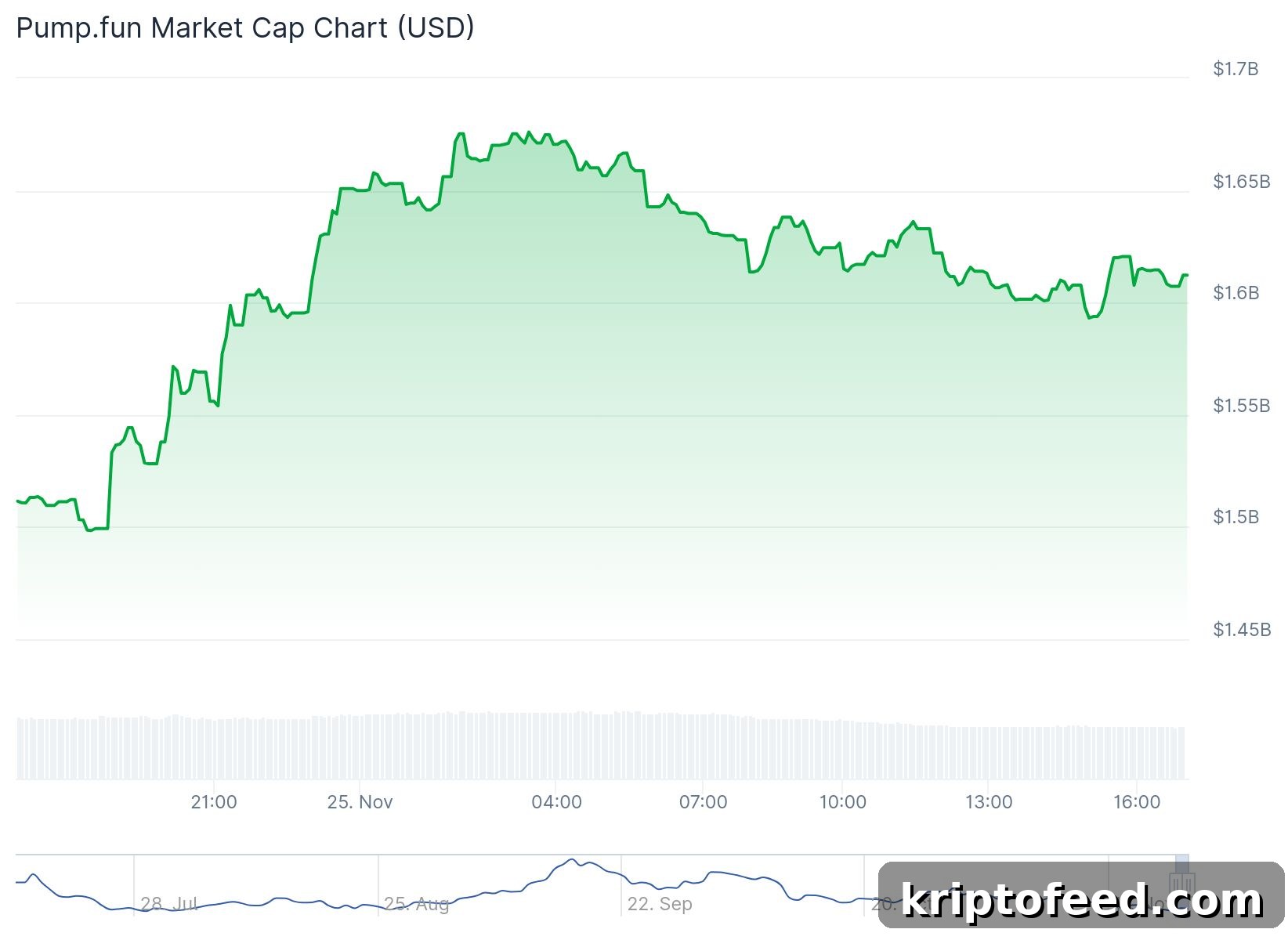
Price volatility intensified the community debate as observers evaluated whether the treasury moves were consistent with market conditions. Across X, posts highlighted a split in sentiment: some users said the explanation raised more questions and sought clearer communication, while others dismissed the team’s statement and tied the movements to worries about token performance and execution.
A separate group defended Pump.fun’s right to manage its revenue, ICO proceeds, and reserves, arguing that treasury movements are commonplace after an ICO and that the crucial issue is whether USDC reserves adequately back the circulating supply.
Treasury structure becomes central issue
As scrutiny intensified, discussions shifted from immediate selling risk to the broader structure of Pump.fun’s treasury. Community members and analysts focused on the size of reserves, how wallets are organized, and whether the team has provided sufficient visibility into its financial management.
The presence of more than $855 million in stablecoins confirmed that substantial capital remains under project control, but questions persisted about the timing, transparency, and purpose of the transfers. The episode underscored how treasury management can become a point of market sensitivity, particularly when revenue is declining, token prices are volatile, and community trust is fragile.
With attention on X still concentrated on the fund movements, the conversation has evolved toward expectations of greater transparency, clearer reserve backing, and a more detailed explanation of the company’s approach to supporting long-term development and stability for the project.