
In the coming days Bitcoin will reach another milestone. After Satoshi Nakamoto mined the first 50 bitcoins in 2009, the 17 millionth bitcoin will soon be mined. That means more than 80 percent of the total Bitcoin supply is now in circulation.
The Bitcoin protocol limits the total number of bitcoins to 21 million. With this cap, Satoshi Nakamoto, the pseudonymous creator of Bitcoin, intentionally created scarcity that sets it apart from traditional monetary systems.
Unlike fiat currencies issued by central banks, the supply of bitcoin is finite and cannot be expanded through inflationary issuance. There is no unlimited “printing” of bitcoin to meet inflation targets or other monetary policies.
The Bitcoin network was inspired by the way gold is mined. Like gold, mining bitcoin requires effort and capital. Miners maintain the network by validating transactions and writing them into the blockchain. As compensation for this work they receive bitcoin.
There is, however, considerable variability in the mining process. The Bitcoin protocol targets a 10-minute block time and currently awards 12.5 BTC per block. That means roughly every 10 minutes a new block is filled with a variable number of transactions and appended to the blockchain. Theoretically that equates to about 1,800 new BTC mined per day.
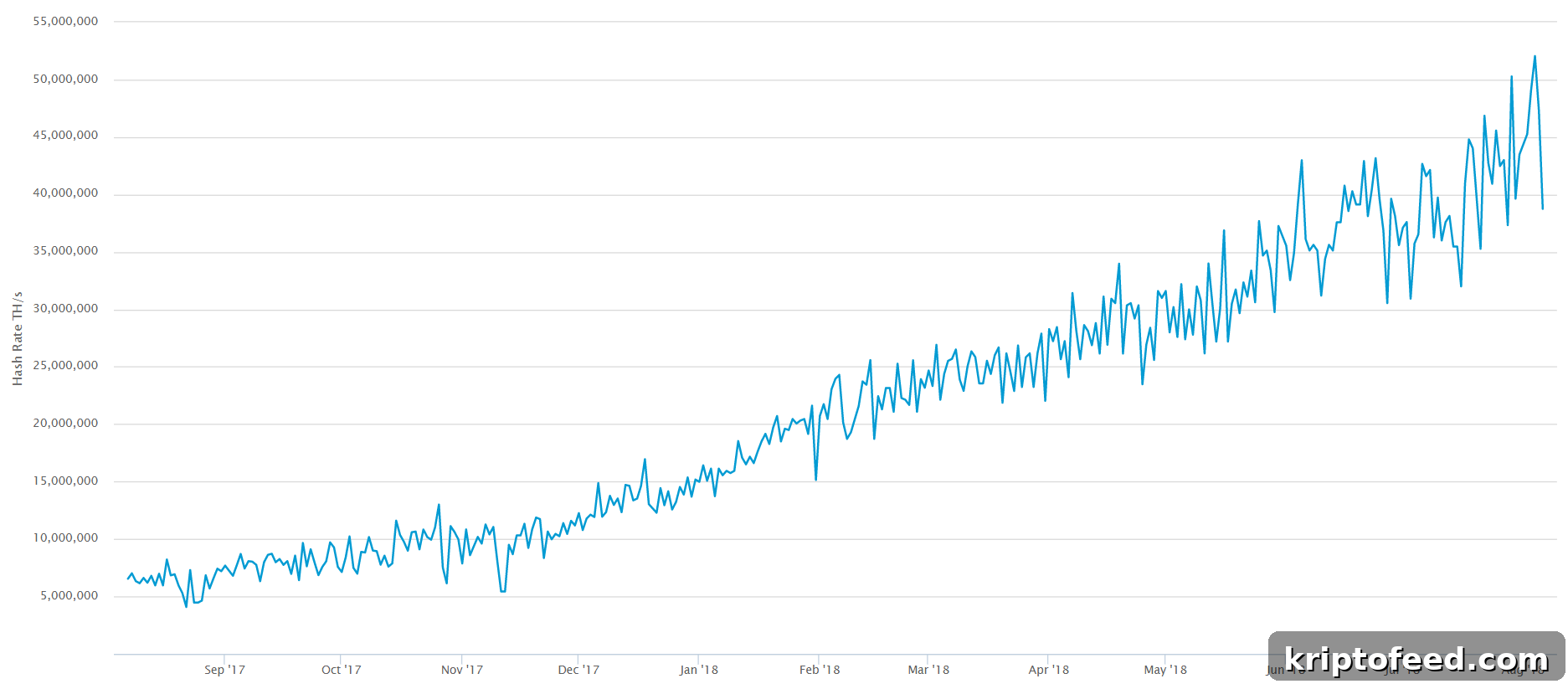
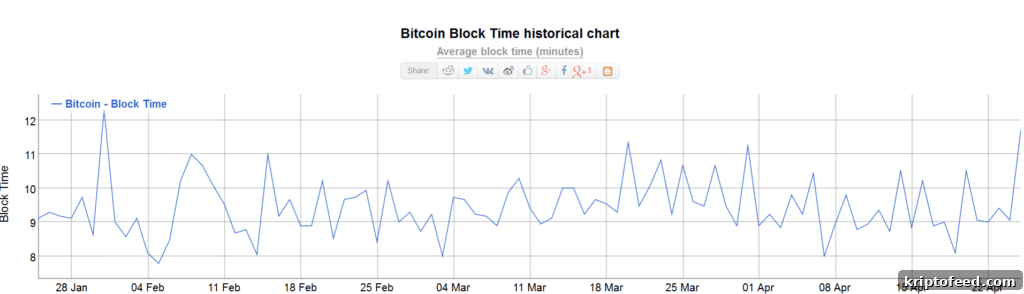
Block times can, however, vary. Looking at block times from the past three months reveals significant fluctuations. Because of this variability it is impossible to predict the exact moment the 17 millionth bitcoin will be mined.
Bitcoin Halving
The reward miners receive has changed over time. As mentioned earlier, the initial block reward when Satoshi mined the first block on January 3, 2009, was 50 bitcoins. That reward remained in place for the first 209,999 blocks until the first “halving” occurred at block 210,000.
Every 210,000 blocks the block reward is cut in half. The first halving reduced the reward from 50 to 25 BTC in November 2012. The most recent halving reduced the reward to 12.5 BTC in July 2016. The next halving is expected after another 210,000 blocks and was anticipated around May 29, 2020 in earlier projections.
If the Bitcoin protocol remains unchanged, the last bitcoin is projected to be mined around May 2140 due to successive halving events. That date does not mark the end of Bitcoin. Once all 21 million bitcoins exist, miners will continue to be compensated via transaction fees. Transaction validation and block production will continue as before.
As with any commodity, bitcoin’s price is driven by supply and demand. When demand increases while the supply of newly minted bitcoins available to the market decreases, scarcity is created — which in theory can contribute to upward price pressure.
For these reasons the impending 17 millionth bitcoin is more than a number: it’s a signal of Bitcoin’s continued adoption and the broader validation of its scarcity model.