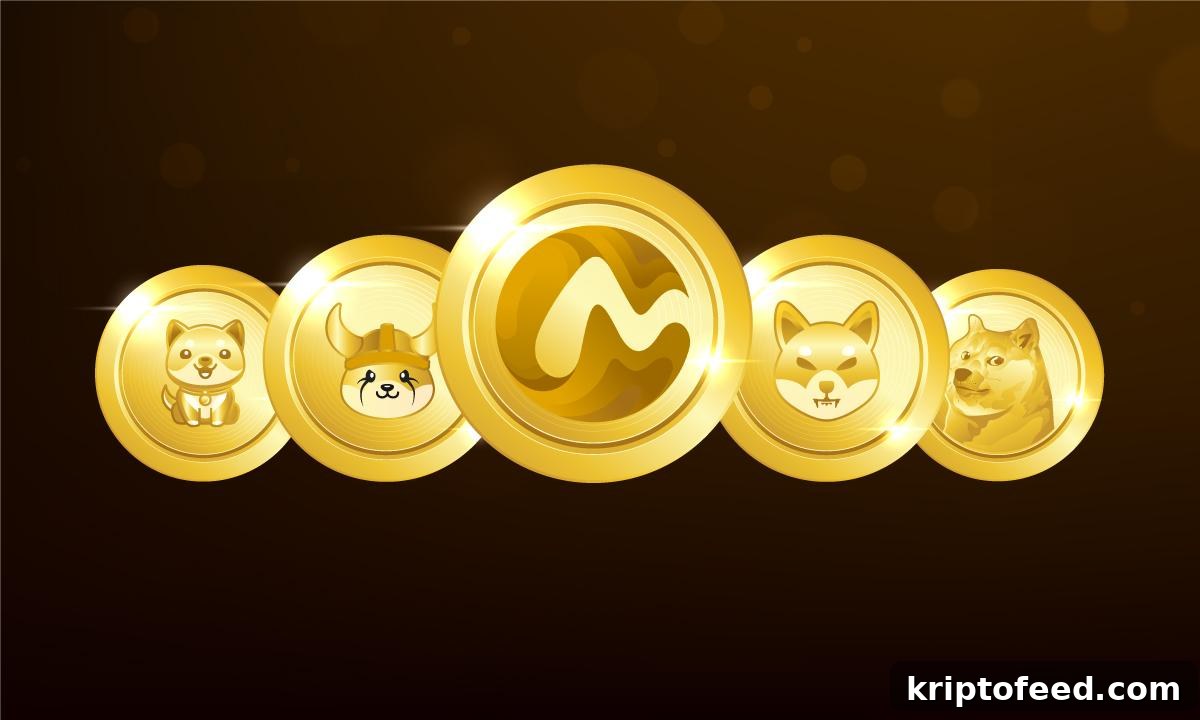
Meme coins have shaken up the financial world in recent years. Two names stand out in this context: Shiba Inu (SHIB) and Dogecoin (DOGE). These tokens turned some holders into billionaires within a relatively short time, triggering a widespread hype around these unusual cryptocurrencies.
What defines meme coins
Meme coins take humorous, distinctive images paired with catchy phrases—the so-called memes—as their inspiration. These images poke fun at everyday situations while often containing a kernel of truth, allowing them to reflect aspects of a particular cultural moment.
Meme coins are not created to pursue a specific technical goal. Fun and community come first. Unlike major cryptocurrencies such as Bitcoin or Ethereum, meme coins do not aim to revolutionize the financial system. They stand out mainly because of their strong communities and viral appeal. Many of these tokens also exist in effectively unlimited supply, so there can theoretically be an enormous number of individual coins in circulation.
The rise in recent years
In recent years meme coins have seen rapid price appreciation, particularly DOGE and SHIB. That surge generated substantial gains for some holders in a short time, largely driven by social media coverage that directly influenced demand. Newcomers to crypto often start by checking mainstream banks or direct banks for Bitcoin and other cryptocurrencies, but traditional banks frequently do not offer even major cryptocurrencies like Bitcoin or Ethereum — and meme coins are even less commonly available.
The Shiba Inu token, in particular, has grown especially popular and now competes for attention with established cryptocurrencies. SHIB’s ecosystem expanded to include non-fungible tokens (NFTs), demonstrating how community-driven projects can spawn related products. A lesser-known example is Cumrocket, whose developers launched a marketplace for adult-themed NFTs. Whether such niche projects will be successful in the long term remains uncertain.
The popularity of meme coins
Meme coins began largely as jokes. Today many are regarded as legitimate digital assets, and there are numerous lists and rankings tracking the largest meme tokens. A coin’s value is determined by its market price, which in turn reflects demand. Over the past years demand has often increased rapidly, a trend partly explained by the bandwagon effect: growing visibility and buzz drive more people to buy, which further amplifies interest.
Looking ahead
Investing in tokens like SHIB or DOGE involves significant risk. Prices can swing wildly—rising by thousands of percent one day and dropping by tens of percent shortly after. Financial advice sites typically recommend starting with small amounts when entering high-risk investments and increasing exposure gradually. Investors should never commit their entire savings to a single cryptocurrency. For many participants, however, the volatility is part of the appeal, offering excitement and the potential for quick gains. That same volatility fosters close-knit online communities, lively discussions, and a constant stream of price predictions and commentary.
It is still unclear where meme coins will ultimately go. Some projects may prove durable, while others could fail or even turn out to be scams. Caution is therefore warranted. Risk-tolerant investors can potentially profit from meme coins, but they should recognize the speculative nature of these assets and act accordingly.
Conclusion: Where things stand and what may come
Dogecoin and Shiba Inu are the most notable meme coins to date. Although they were introduced as jokes, they have grown into influential parts of the crypto landscape, attracting collectors and investors alike.
Anyone considering buying meme coins should research the topic thoroughly and monitor price volatility for the token they are interested in. Careful preparation and attention to market movements make it possible to make a more informed decision about whether, and when, to invest.