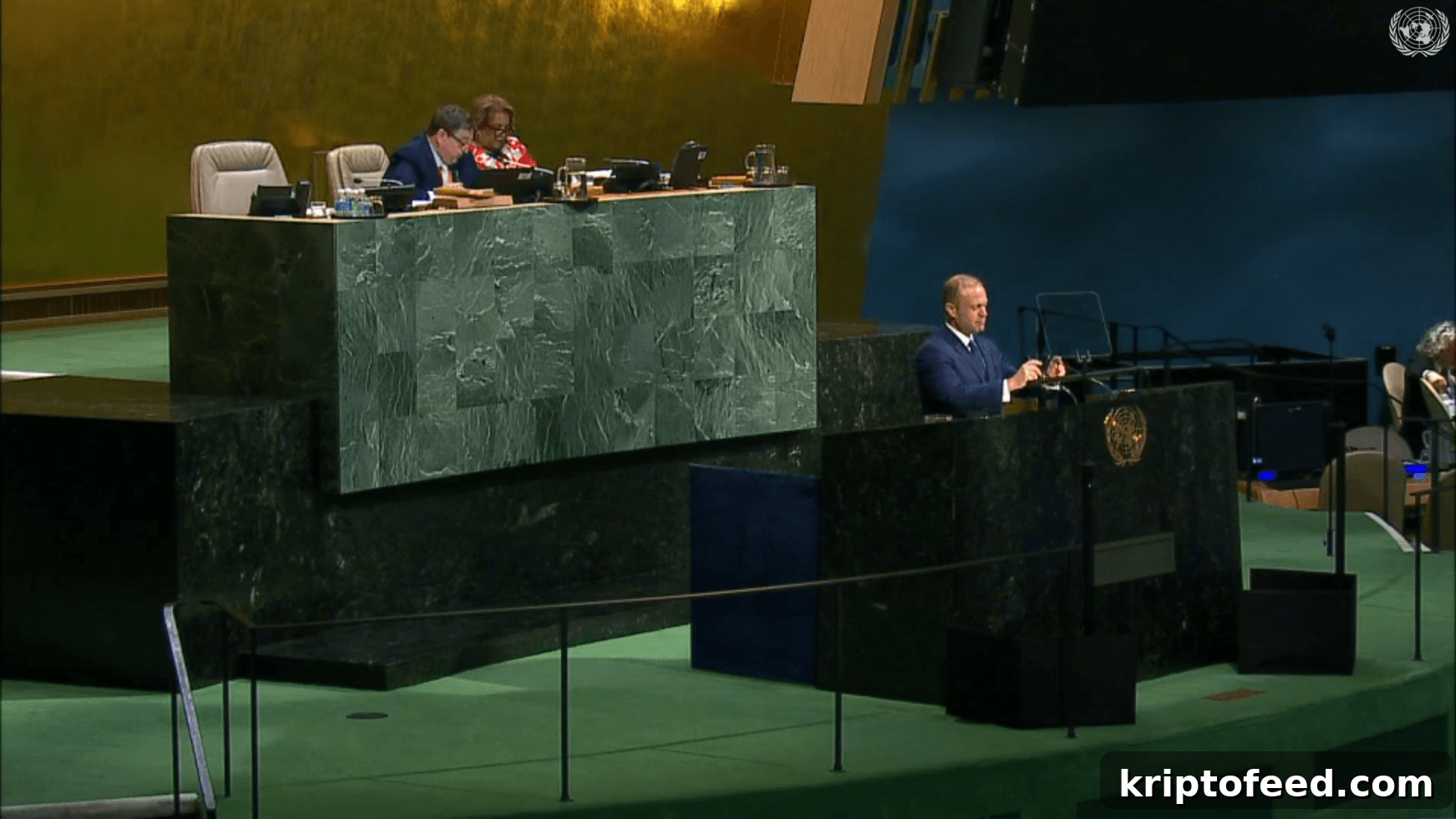
Malta is one of the leading countries promoting blockchain and cryptocurrencies. In November it will host one of the sector’s major events, attracting hundreds of entrepreneurs and experts. The Maltese government openly supports the blockchain culture, as reflected in remarks by the country’s Prime Minister, who expressed strong enthusiasm for the technology.
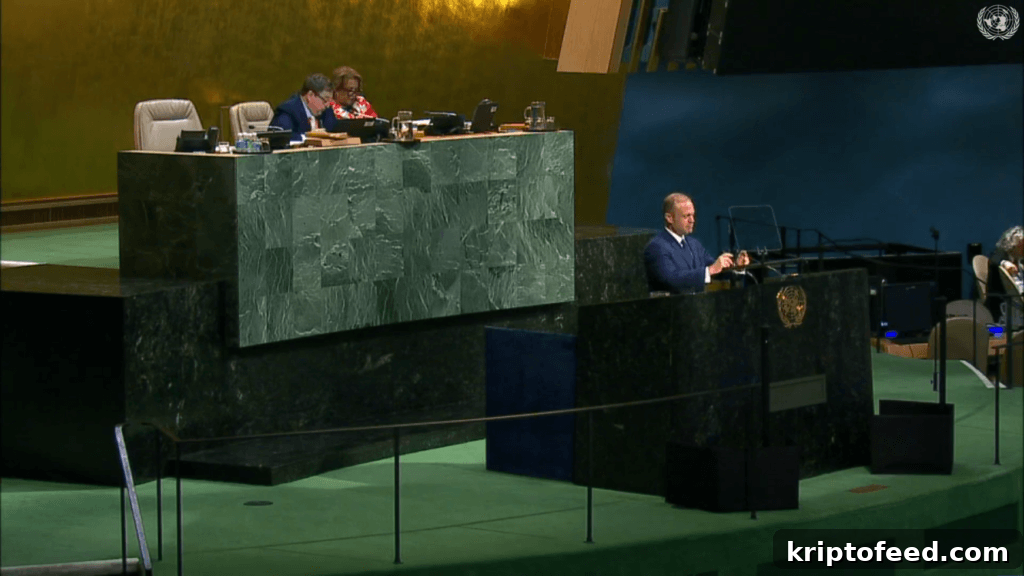
“Blockchain technology could galvanize a more transparent and equitable society”
These comments were delivered at the United Nations General Assembly. Malta’s Prime Minister, Joseph Muscat, took part in the 73rd session debate held on September 27 in New York. In his address he stressed the importance and far-reaching impact of these emerging technologies, arguing they can be politically transformative.
He explained that Malta was one of the first nations to adopt these technologies with formal regulation, branding itself the “blockchain island” by providing legal clarity for innovations that previously fell into regulatory gaps. Muscat suggested that fiat currencies and the current economic framework could become obsolete in the future:
“Blockchain makes cryptocurrencies the inevitable future of money. They are more transparent because they help distinguish good deals from bad ones. But distributed ledger technologies can do much more.”
The Prime Minister went on to outline several practical uses and blockchain-based solutions. He highlighted benefits for healthcare, where patients would have true ownership of their medical records. He emphasized blockchain’s potential in humanitarian aid, data integrity, and corporate accountability. He also explained how immutable records can give citizens confidence that governments hold accurate, tamper-proof data about individuals.
Malta, Japan, the United States, the United Kingdom: positive outlooks on blockchain technology
Several countries have expressed positive views about digital currencies and blockchain solutions. Malta’s example is notable, but other nations have also signaled support for wider adoption. Japan, for instance, was among the first to recognize cryptocurrencies in a permissive regulatory framework. In the United States and the United Kingdom, regulatory gaps remain that policymakers need to address to enable broader adoption; nonetheless, both countries are eager to become global leaders in this space.
As public and private institutions explore use cases beyond payments—such as secure identity management, supply chain transparency, and improved public services—governments and industry players continue to debate how best to balance innovation with consumer protection. With clear rules, many advocates believe blockchain can unlock efficiencies and trust across multiple sectors while reducing fraud and increasing accountability.
Malta’s approach illustrates one path: proactive regulation coupled with a willingness to host experimentation. Whether other countries adopt similar strategies will depend on local priorities, legal frameworks, and public appetite for change. Still, the ongoing international interest suggests blockchain and cryptocurrencies will remain central topics in discussions about the future of money, governance, and digital infrastructure.