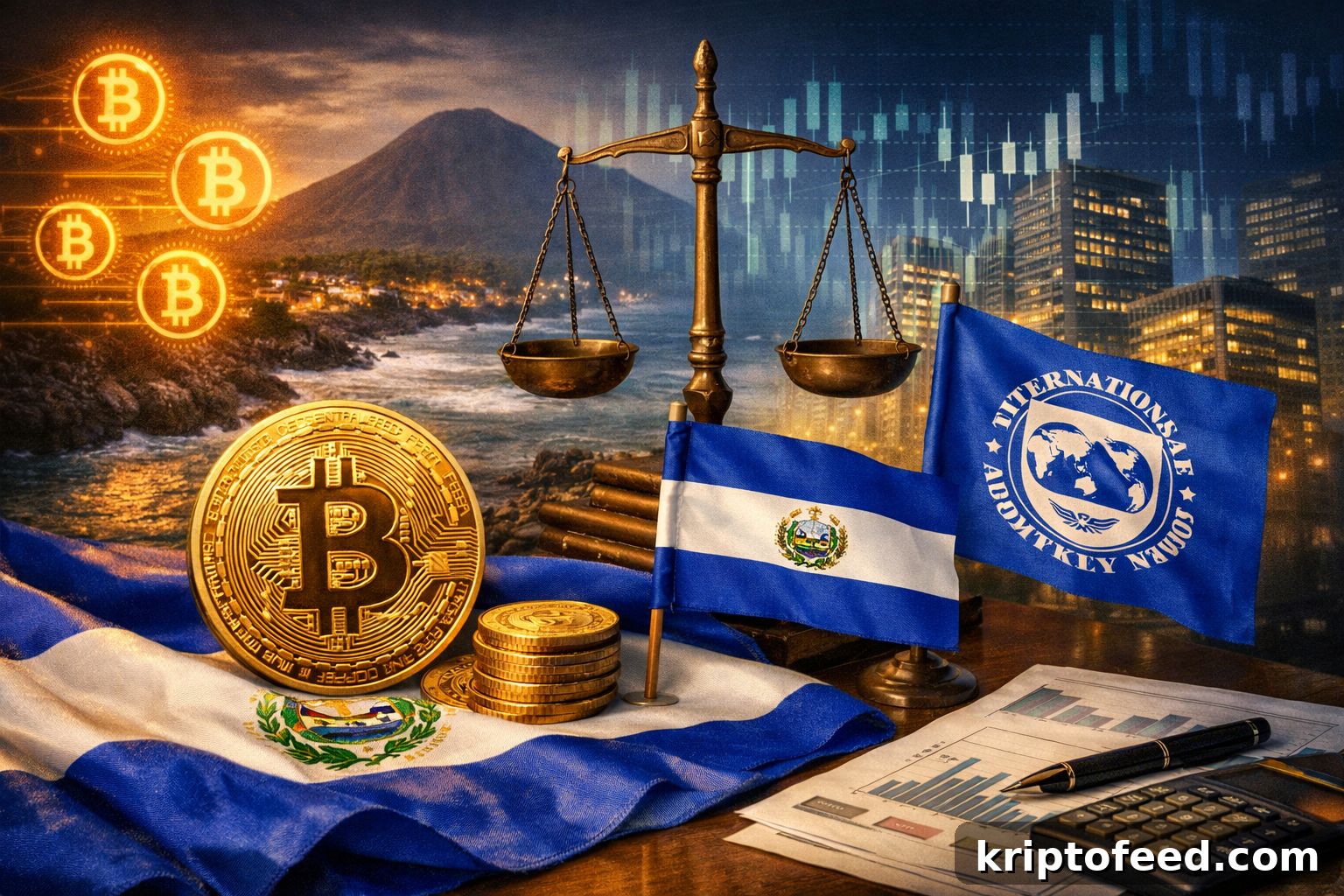
- The IMF says talks with El Salvador are ongoing, focusing on transparency, safeguarding public funds, and the risks associated with Bitcoin.
- Negotiations to sell or reduce the government Chivo Bitcoin wallet are well advanced under the IMF lending program.
- Despite IMF pressure, El Salvador continues daily Bitcoin purchases, while GDP growth is estimated at around 4%.
The International Monetary Fund (IMF) stated that discussions with El Salvador about its Bitcoin-related policies are continuing, with an emphasis on improving transparency, protecting public finances, and reducing financial risks.
This update was released as part of the IMF’s second review under El Salvador’s 40-month Extended Fund Facility (EFF), under which the country secured a $1.4 billion loan in 2024 after extensive negotiations that were strained by the adoption of Bitcoin.
According to the IMF, talks are particularly advanced regarding the future of the government-run Chivo Bitcoin wallet, including a potential sale or shutdown of the platform.
Chivo, launched in September 2021 as part of Bitcoin’s introduction in El Salvador, has faced widespread criticism since its debut, including accusations of identity theft, fraud, technical failures, and blocked user accounts.
Chivo Wallet Negotiations
The IMF confirmed that negotiations to sell the Chivo wallet are “well advanced,” marking a significant step toward reducing the government’s direct involvement in Bitcoin infrastructure.
One of the wallet’s architects said last year that the application should be closed given the controversy that followed its launch.
As part of the EFF agreement, El Salvador committed to reducing public sector participation in Bitcoin-related activities.
In March, the IMF formally requested that the country stop accumulating Bitcoin through purchases and mining and dismantle public structures used to acquire the digital asset.
The IMF later stated that El Salvador has complied with those commitments, including initiating a process to fully retire the Chivo wallet.
Despite these measures, several private-sector Bitcoin wallets are expected to remain operational in the country.
At the time the IMF loan was approved, Stacy Herbert, director of the National Bitcoin Office in El Salvador, said that while Chivo’s role would change, private wallet providers would continue serving users.
Bitcoin Accumulation Remains a Point of Tension
Bitcoin policy continues to be a central source of tension between El Salvador and the IMF.
The Fund has repeatedly warned that Bitcoin’s price volatility poses risks to public finances and has advocated limiting government exposure.
Nevertheless, El Salvador continues to report ongoing Bitcoin purchases.
Last month the country added 1,098 BTC to its national reserves, worth nearly $100 million at the time, according to official statements.
Data published by El Salvador’s Bitcoin Office indicate the country holds roughly 7,509 BTC, with acquisitions continuing daily, even during periods of high market volatility.
In May, the IMF reiterated that “efforts will continue” to ensure El Salvador does not accumulate additional Bitcoin.
President Nayib Bukele publicly rejected calls to stop purchases, stating in March that the policy would continue despite external pressure.
IMF Praises Economic Performance
While highlighting ongoing concerns related to Bitcoin, the IMF took a positive tone on El Salvador’s broader economic performance.
The Fund said the economy is expanding faster than expected, with real GDP growth estimated at around 4% this year and strong prospects for the next year.
The IMF also noted that fiscal targets remain on track, foreign exchange reserves are rising, and domestic borrowing has declined.
Structural reforms have progressed, including new banking stability legislation, adoption of Basel III standards, and strengthened anti-money laundering rules.
The IMF stated it will maintain close cooperation with Salvadoran authorities as it works toward a staff-level agreement to complete the second EFF review, emphasizing that Bitcoin-related risks will remain monitored even as the country’s macroeconomic outlook improves.