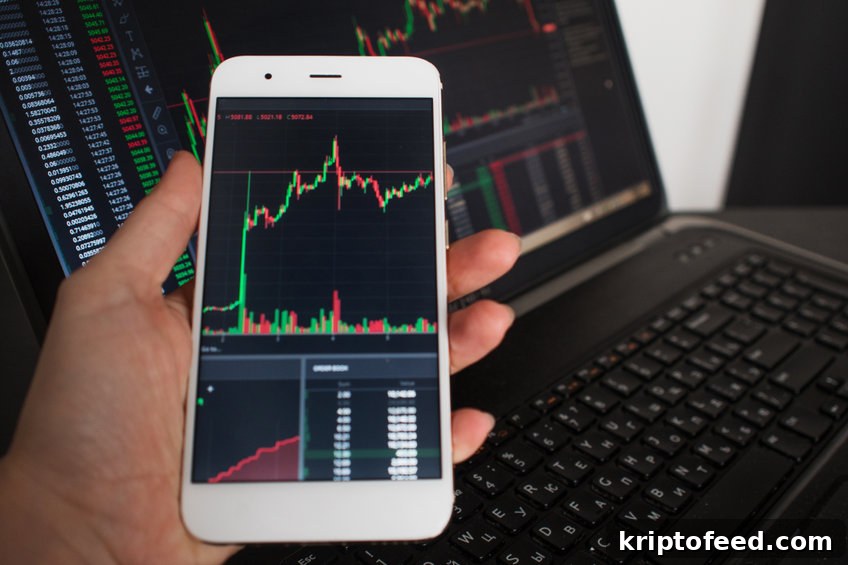
- Bitcoin traded in a narrow range between $37,000 and $42,000, indicating that larger volatility may be on the horizon.
- BTC price rose 3.8% over the past 24 hours and currently sits around $42,625.
Analytics platform Glassnode reported in its newsletter “The Week On-chain” dated March 21 that Bitcoin is likely to experience increased volatility in the near term.
According to the platform, futures and options markets are signaling greater volatility ahead, even as on-chain activity points to a bearish-controlled market that nevertheless supports broadly positive sentiment across the cryptocurrency space.
BTC price rebound
Glassnode notes that the recent Bitcoin rebound occurred within an environment of low volatility and broad consolidation. Last week the BTC price dipped toward $37,000 before returning to the key resistance area near $42,300.
On Monday, the flagship cryptocurrency pulled back from weekend highs under selling pressure, following U.S. equities after comments from Federal Reserve Chair Jerome Powell on inflation.
On Tuesday, Bitcoin rose again, reaching highs near $43,080. Currently, however, the price has retraced to about $42,625 and remains confined within a narrow trading range.
Chart showing the recent low and high range for BTC. Source: Glassnode.
Derivatives point to upcoming volatility
Glassnode says Bitcoin’s continued movement in a tight range occurred during a period of low volatility, and that such conditions often precede increased market turbulence.
Following short-term implied volatility pricing adjustments tied to Fed rate hikes, futures and options markets are now signaling higher implied volatility.
“Implied volatility in options has come down from relatively low levels between 60% and 80%, after which there have historically been periods of exceptionally high volatility. High-volatility events in 2021 included the May sell-off, the July short squeeze, and the October rally to record highs,” the firm observes.
It is worth noting that investors typically view implied volatility as a forecast of how risky a trade might be, based on the market’s potential to move in either direction.