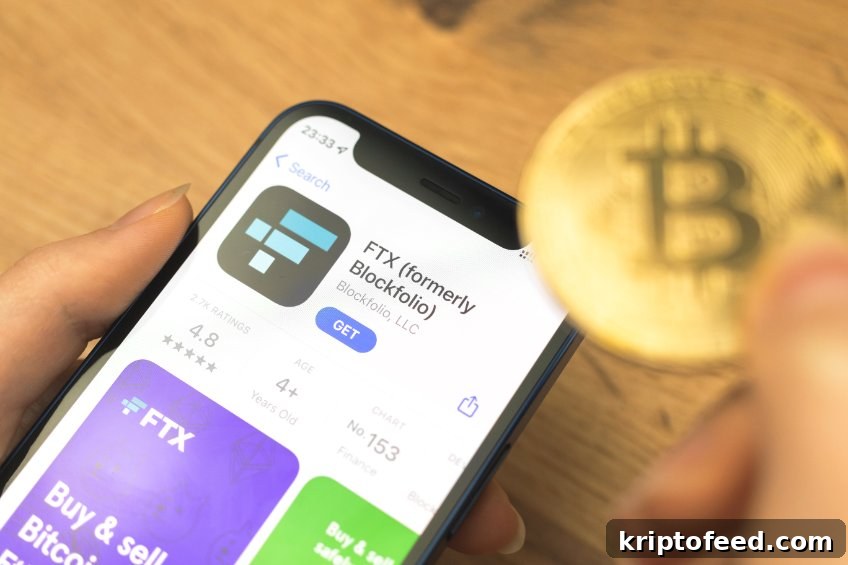
FTX CEO Sam Bankman-Fried (SBF) dismissed reports that the crypto exchange was preparing to acquire the trading app Robinhood. The clarification follows a Bloomberg News report that FTX had held talks to buy Robinhood.
In an emailed statement, Bankman-Fried said:
“We are excited about Robinhood’s business prospects and potential ways we could partner with them, and I have always been impressed by the business that Vlad and his team have built. That being said there are no active M&A conversations with Robinhood.”
The rumors of acquisition talks may have grown out of an earlier remark by Bankman-Fried describing Robinhood as “an attractive investment.” That comment, and a disclosure that FTX’s founder bought a stake in the company, likely fueled speculation about a takeover.
Robinhood dual-class shareholder structure
Robinhood’s dual-class share structure concentrates voting control with the company’s founders, making a takeover more complex without their consent. Co-founders Vlad Tenev and Baiju Bhatt collectively own around 8% of the company’s equity but control about 64% of the voting power.
A recent filing with the U.S. Securities and Exchange Commission (SEC) shows Sam Bankman-Fried acquired a roughly 7.6% stake in Robinhood and described the platform as an attractive investment. Despite that stake, Bankman-Fried has stated he does not intend to influence or alter Robinhood’s leadership or strategic direction.
Robinhood revenue growth
Robinhood’s revenue trajectory has been significantly influenced by its crypto-related business, even though the platform offers a limited range of non-crypto assets. The company entered the cryptocurrency market four years ago and has been expanding its crypto services since then.
This year Robinhood added a wallet feature to its platform as part of an effort to broaden its crypto offerings and attract users who want direct custody and movement of digital assets. Those crypto initiatives have played an important role in driving the company’s growth and shaping investor interest.