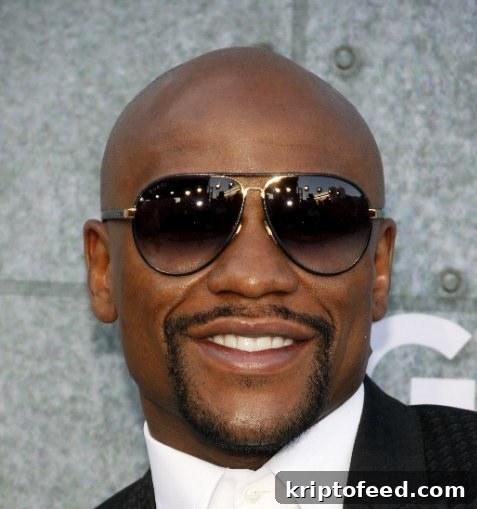
- Mayweather has ties to multiple rug pulls and scams
- The superstar boxer has scrubbed his social channels of campaign references, but the internet lasts forever
- He is an example of the opportunities crypto offers to those without scruples
I love crypto.
I believe Bitcoin can help improve the world — a digital, decentralized form of money with a capped supply, something we’ve never had on a global scale.
I also think innovations like stablecoins and decentralized finance have the potential to create a fairer, more democratic, and more accessible financial system compared with today’s institutions, which too often favor those at the top and widen the inequality gap that plagues so many countries right now.
That said, we shouldn’t fool ourselves — this industry has a dark side. The potential and lofty promises are still far from fully realized.
Regulation
Whether you support strict rules or prefer minimal oversight, the reality is this is a $1.2 trillion industry that has largely been allowed to run free. The “Wild West” metaphor gets used a lot in crypto, but it remains apt. Yes, light-touch environments can accelerate innovation, give creators freedom, and lower barriers to entry.
But rather than debate the benefits of minimal regulation here, I want to focus on the negative externalities of that freedom. Specifically, I want to examine bad actors who exploit the space at the expense of unsuspecting members of the public.
Let’s do a case study of someone who has used the system and gullible investors to their advantage — perhaps more than most: Floyd Mayweather.
Floyd Mayweather
Floyd Mayweather is often talked about for his flashy lifestyle and his nickname “Money.” This piece, however, is mainly about money — how it’s made and how it’s sometimes used.
Last year he ranked sixth on Sportico’s list of highest-earning athletes of all time, with $1.2 billion in inflation-adjusted career earnings. Yet even multi-millionaire and billionaire figures are not immune from controversy, and Mayweather has been associated with several crypto promotions that ended badly for investors.
Mayweverse
For a time his Twitter bio promoted a metaverse-related project called “mayweverse.” When that project was announced he abruptly abandoned the Floyd NFT project he had been relentlessly promoting, deleting tweets and public social posts tied to those promotions.
Thankfully, the internet remembers. There are archived clips and screenshots showing Mayweather promoting Floyd NFT from one of his luxury homes, talking to the camera poolside.
Floyd Mayweather – Floyds World NFT pic.twitter.com/tdI6tKSME5
— Caught in 4k (@bestvideosofct) April 10, 2022
He didn’t inform the FloydNFT team or the project’s investors that he was launching a different project or abandoning the original one. That lack of transparency left holders exposed.
Mayweverse itself faded and left many holders with heavy losses — a classic rug pull pattern where anonymous teams can walk away with proceeds and leave investors with worthless tokens. For Mayweather, there appear to have been few direct consequences, an unfortunate but not uncommon result in lightly regulated markets.
The promotional messaging was typical: “And of course, I’m the money man, but you know what? Be a part of history, own a piece of my legacy, and you can make money too” — Floyd Mayweather
Floyd Mayweather – Mayweverse Pt 1 pic.twitter.com/gUzsxeazNV
— Caught in 4k (@bestvideosofct) May 5, 2022
Ethereum Max
Ethereum Max is another token associated with Mayweather, promoted in connection with his high-profile exhibition against YouTube personality Logan Paul. He arrived at the weigh-in wearing an Ethereum Max T-shirt, the token was promoted on the official fight card, and tickets were advertised as purchasable with the token.
That token’s price action after the fight reflected the risky dynamics of many celebrity-backed tokens, where heavy promotion can temporarily inflate interest and price, then collapse once attention fades.
Other projects allegedly promoted by Mayweather — such as Bored Bunny and Moonshot — followed similar patterns. Many of these promotions date to the previous crypto cycle and included ICOs and token sales that ultimately fell to near-zero value.
In almost every case, Mayweather’s social media has been scrubbed of those campaigns, removing much of the public trace of his endorsements.
Be careful, people
It’s worth noting that Mayweather’s personal history raises serious concerns beyond crypto endorsements. He has a record of convictions and allegations related to assault and domestic violence. Given his status as an elite athlete, those charges are all the more disturbing.
The crypto space — with limited oversight and low barriers to launching tokens or minting NFTs — can be particularly attractive to people who lack scruples. Anyone with a Wi‑Fi connection can create a token or NFT collection and market it to an audience, regardless of ethics or intent.
This is a stark reminder that while due diligence is important in any investment class, it is especially critical in crypto. Projects can be promoted by high-profile personalities and still be scams. Investors must research teams, tokenomics, timelines, and on-chain activity, and treat celebrity endorsements as one of many signals rather than proof of legitimacy.
Ultimately, the industry’s promise is real, but so are the risks. Be skeptical, verify claims, and protect your capital when exploring the exciting — and sometimes hazardous — world of digital assets.