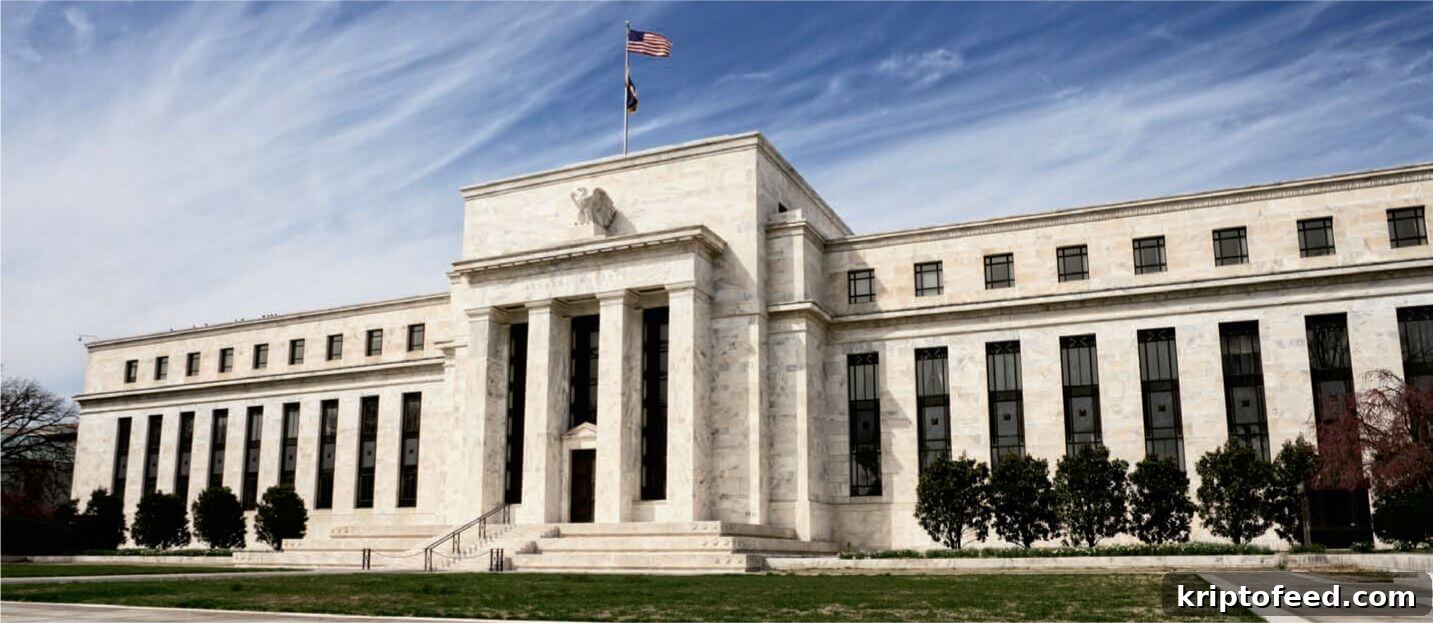
Lael Brainard, a member of the Board of Governors of the U.S. Federal Reserve, made a striking and noteworthy statement. She said she does not see an “urgent” need for a central bank digital currency (CBDC) issued by the Federal Reserve. This is surprising given recent signals that suggested the opposite.
Details
The remarks were delivered at the Decoding Digital Currency Conference in San Francisco. Brainard noted that while central bank digital currencies appear to address many of the challenges associated with cryptocurrencies, those advantages “do not hold up to close scrutiny.” She also pointed out that consumers already have easier ways to exchange digital payments through mobile apps and other channels. As a result, American consumers can receive and make electronic payments in real time through multiple existing methods. She stated:
“Finally, there is not a demonstrated urgent need for a Federal Reserve-issued digital currency.”
Later in her speech, Brainard reiterated her view that cryptocurrencies do not currently pose a threat to financial stability. She said the Fed is actively monitoring developments in the crypto space, including payment policy and supervision. She also highlighted oversight in areas such as regulation, financial stability, and monetary policy. Addressing security concerns related to cryptocurrencies, including breaches and fraud, Brainard added:
“However, the still relatively small scale of cryptocurrencies relative to our broader financial system and their relatively limited links to our banking sector suggest they do not currently pose a threat to financial stability.”
The governor cautioned that adverse developments or market disruptions in the crypto sector could produce several negative consequences, including extreme price volatility, trading difficulties, or market failures. To guard against such outcomes, Brainard emphasized that the Federal Reserve will “continue to monitor cryptocurrencies as they evolve, paying particular attention to any signs of growing relevance to the financial system as a whole.”
Conclusion
Brainard’s stance is notable, especially because it contrasts with comments from some former Fed officials. Some observers argue a hypothetical “FedCoin” could spell trouble for decentralized cryptocurrencies like Bitcoin or Ethereum. Others contend a central bank digital currency could have a highly positive effect on markets.
A government-backed digital currency could offer a more reliable alternative to popular stablecoins and provide easier access to digital payment rails. The infrastructure created for a national digital currency could also pave the way for additional innovations. Meanwhile, various organizations and jurisdictions are exploring or preparing CBDC projects, and one or more may move forward before the United States does.