Chris Giancarlo says Congress should consider creating a single agency, such as a crypto bureau, to regulate cryptocurrencies.
The crypto industry expects clearer rules in 2022 in the United States and worldwide. Some observers — including the CEO of FTX — say such regulatory clarity would attract more institutional capital to the sector.
Given the events of 2021, the coming months could be decisive. Last year saw the creation of a presidential working group on cryptocurrencies and congressional hearings on Capitol Hill featuring crypto executives and legal experts.
While many in the crypto sector are hopeful that recent steps will clarify the regulatory landscape, some critics argue the approach so far has been largely defensive and reactive rather than forward-looking.
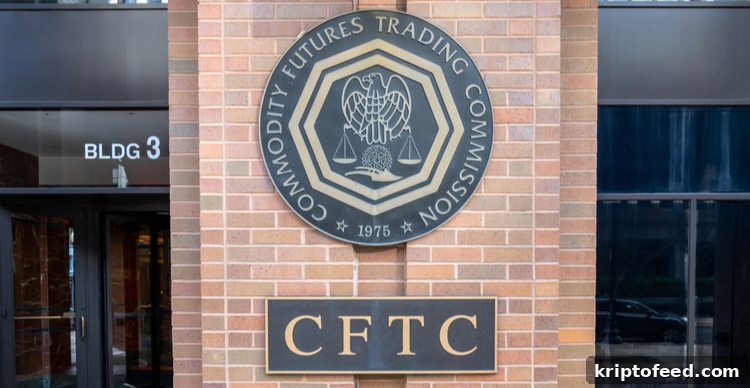
That is the position of Chris Giancarlo, the former chairman of the Commodity Futures Trading Commission (CFTC). He commented on the overall climate of U.S. crypto regulation during a speech at the American Enterprise Institute.
Giancarlo criticized the Biden administration’s release of last year’s report on stablecoins.
He argued regulators are falling short when the working group’s report focuses more on identifying potential harms from the crypto sector instead of examining the potential benefits for innovation — provided the industry is properly regulated.
The former CFTC chair warned that if regulators do not adopt a proactive stance on crypto policy, efforts to expand financial inclusion could be undermined.
Giancarlo also believes proper regulation will come if the administration works toward creating a new agency dedicated exclusively to the crypto industry. He supports a congressional bill that would place cryptocurrencies under the joint oversight of the SEC and the CFTC.
Supporters in the crypto community say this idea could work by ensuring both agencies treat the asset class consistently rather than taking divergent positions.
Giancarlo says a crypto bureau would regulate cryptocurrencies comprehensively, avoiding situations where the CFTC and SEC take conflicting regulatory stances.