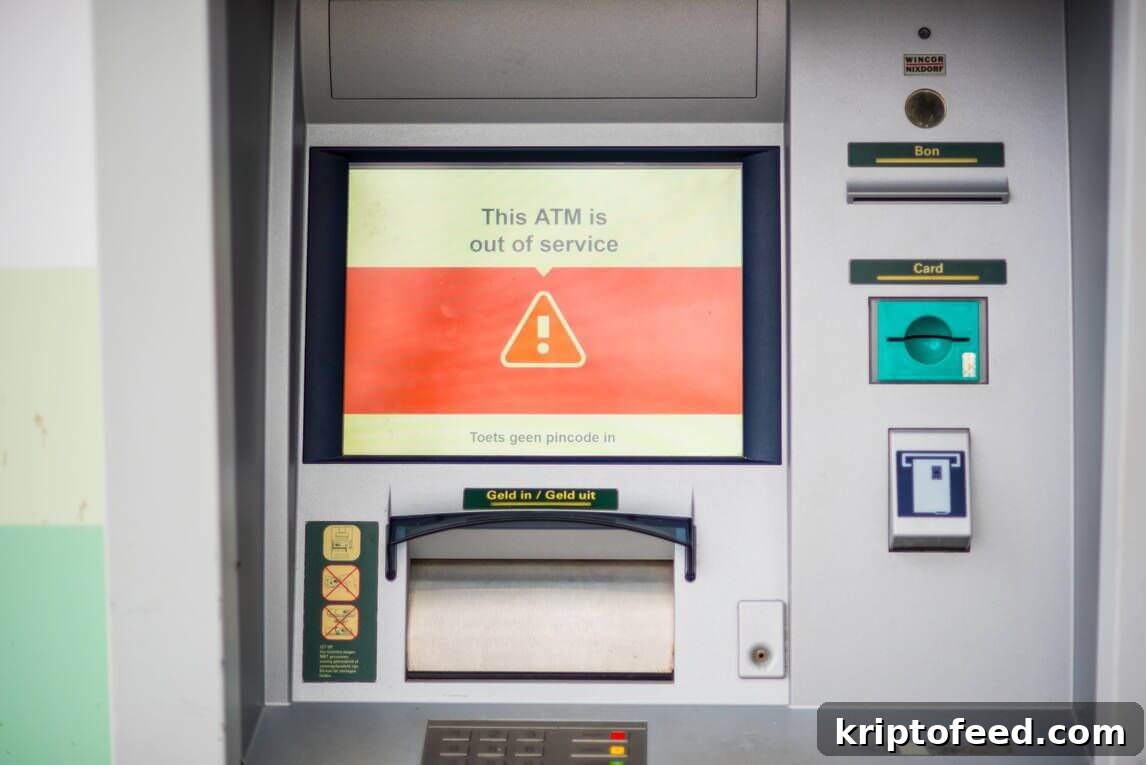
The Dutch central bank, De Nederlandsche Bank (DNB), recognizes that something is changing and is calling for a serious debate about the future role of central banks in an era of increasingly digital payments. According to the DNB, the year‑on‑year decline in cash transactions signals a shift from physical fiat currency toward digital forms of money.
The DNB is urging the Eurosystem to consider the possible introduction of a central bank–issued digital currency, commonly referred to as a CBDC (Central Bank Digital Currency). Historically, the Dutch were pioneers in banking practices during the 16th century, and now they are again stepping forward. The strategic tool of the moment is no longer bonds or equity, the bank suggests, but digital currency.
Why the Netherlands? The country has one of the lowest per‑capita rates of cash transactions in Europe. The DNB titled the opening section of its study “Money Is No Longer King,” reflecting that cash is losing its central place in everyday transactions.
As the national central bank, the DNB finds this trend worrying. Central banks are responsible for supplying public money to the population; if that money falls out of use, shouldn’t they act to prevent it? The DNB answers its own question: “we should provide a new form of money that better meets citizens’ needs.” This conclusion appears measured and pragmatic.
Why act now? Restrictions on cash handling during the coronavirus pandemic have accelerated already low levels of cash use in the Netherlands and worldwide. People have avoided banknotes out of concern about contagion and have preferred digital payments, making the prospect of digital currency transactions even more tangible. The announcement last year of Facebook’s Libra also alarmed central banks. Backed by a large platform and designed to be more stable than bitcoin, Libra prompted central banks to consider whether they should launch a comparable digital currency of their own.
Given the domestic shift toward electronic money, the DNB sees innovation as unavoidable. That said, the Netherlands does not represent the entire Eurosystem, so the broader impact of the DNB’s proposal remains to be seen. There is reason for cautious optimism: not only has the DNB asked for a Europe‑wide discussion on CBDCs, it has also offered to take a leading role. The bank states it would be “willing to play a guiding role” and to act as an “ideal testing environment for an experiment” if the Eurosystem chooses to pursue a CBDC.
Long at the forefront of banking techniques and capital‑market development, the Dutch now have an opportunity to influence the next financial frontier: the CBDC. However, because the Netherlands is part of the European Union and not acting in isolation, it remains uncertain whether the DNB’s stance alone will be sufficient to drive Europe‑wide change.