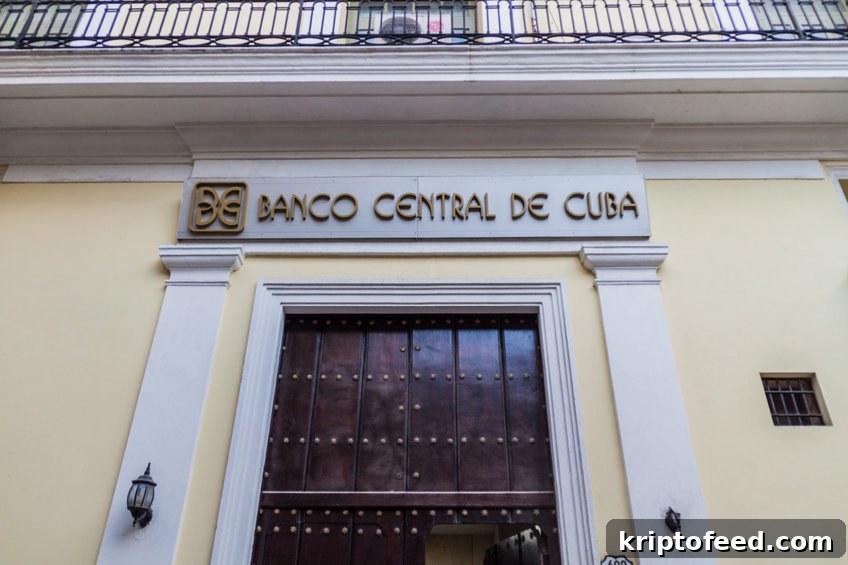
The Central Bank of Cuba (BCC) has announced it will begin issuing licenses to virtual asset service providers operating inside and outside Cuba, including organizations, individuals, and corporate entities. This resolution, published in Spanish, also appeared in Cuba’s official gazette.
Licensed providers will receive permits valid for one year, with the possibility of a single extension into a second year.
The Central Bank of Cuba, @BancoCentralCub, will issue licenses for virtual asset service providers, it announced Tuesday. @andresengler reportshttps://t.co/Eaxcuo7nlF
— CoinDesk (@CoinDesk) April 27, 2022
The resolution specifies that licensees may only handle virtual assets that have been approved by the BCC.
“Virtual assets do not include legal tender, securities, or other financial instruments widely used in traditional banking and financial systems and governed by other Central Bank of Cuba regulations.”
On Thursday the BCC reiterated that previous resolutions already allowed banks to issue licenses to providers for transactions related to exchange, collection, financing, or payment activities at both the national and subsequent levels.
Although the new resolution states that government agencies may use virtual assets in transactions only if authorized by the BCC, it does not address how the Cuban government intends to tax transactions involving virtual assets.
The government also said it will either approve or reject requested licenses within 90 business days following consultations between the BCC and the Crypto Assets Group.
Furthermore, providers will operate solely under BCC authorization. They will also be required to maintain accounting records in accordance with Cuban financial reporting standards and the procedures established by the ministry responsible for finance and pricing to document how they conduct their activities.