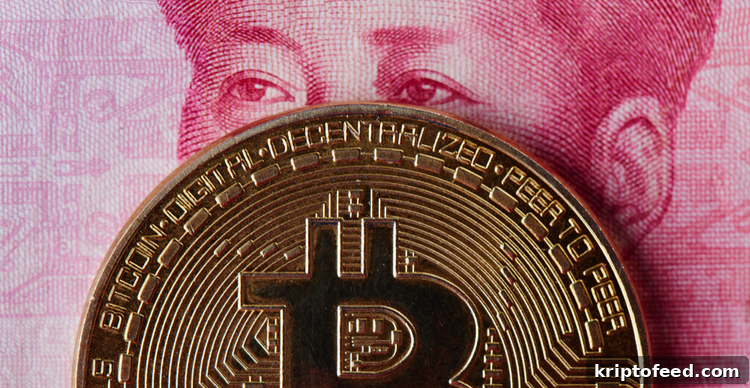
Plaintiff lost more than $10,000 in 2018 amid China’s ban on financial institutions supporting crypto transactions
The High People’s Court of Shandong Province in northern China has publicly stated that investments in digital assets such as cryptocurrencies are not protected by law. The comment came while the court was reviewing a decision from the Jinan Intermediate People’s Court involving an allegation of fraud related to virtual tokens.
This development is the latest setback for China’s crypto-investment sector, creating a precedent that investments in digital assets like Bitcoin are not legally recognized.
The plaintiff originally appealed to the Jinan court, claiming that in 2017 he had invested more than $10,000 to purchase digital currency based on advice from three friends.
However, in 2018 the People’s Bank of China closed the accounts to which the plaintiff had been transferring funds after it banned financial institutions from supporting cryptocurrency transactions. As a result, the plaintiff’s funds were frozen during the process and he did not receive either the money or the tokens.
In January 2021 the Jinan Intermediate People’s Court declined to grant relief, finding the fraud claim unfounded because digital assets had no legal status. The Jinan court’s ruling was upheld in March 2021, prompting the plaintiff to appeal to the High People’s Court of northern Shandong. The higher court affirmed the lower courts’ positions and stated publicly in its opinion on the case that “investing in or trading cryptocurrencies is not protected by law.”
The judiciary’s statement comes only months after the government escalated actions against crypto-based businesses and banned mining, a move that pushed much of the country’s cryptocurrency-mining industry to relocate to Africa and Central Asia.
Although the case described above did not result in further prosecution of the plaintiff, a separate incident in Zhenjiang City led to arrests after authorities said eight people used Bitcoin to circumvent limits that allow individuals to purchase only $50,000 worth of foreign currency per year. The court found that a Bitcoin exchange operation—in which private individuals used Bitcoin to convert yuan into other fiat currencies such as the South African rand—generated transactions worth more than 1.4 billion yuan since 2019. Six defendants were sentenced to prison as investigations continued.
Cases like these reinforce the perception that digital currencies can be used prominently in criminal activity and have encouraged China’s historically crypto-adverse government to tighten regulation further.