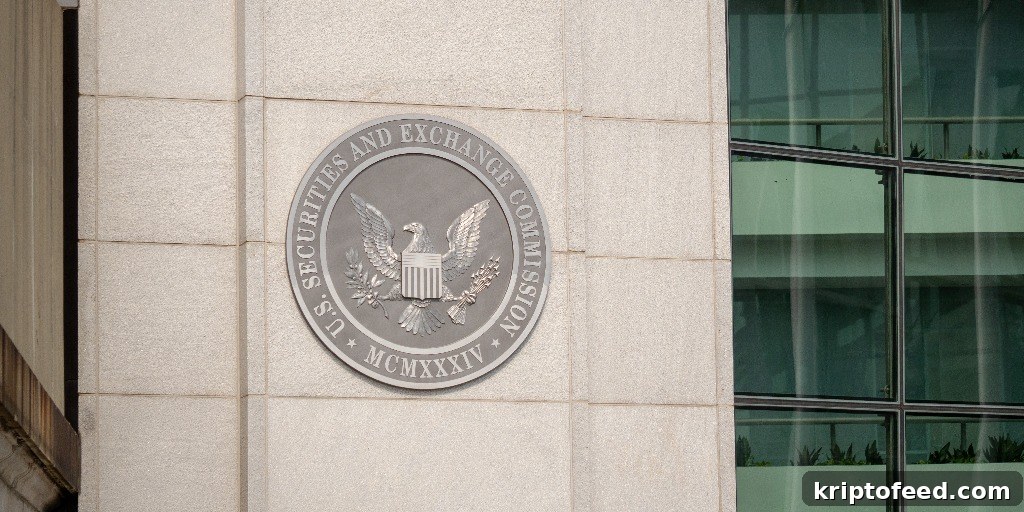
- Coinbase CEO Brian Armstrong warned that the SEC could move to ban crypto staking for retail customers in the U.S.
- Armstrong emphasized that staking is a core innovation that strengthens blockchain networks.
- His comments drew criticism from some, including Charles Hoskinson, who called aspects of Ethereum staking problematic.
Brian Armstrong, co-founder and CEO of Coinbase, said on Twitter that he has heard rumors the U.S. Securities and Exchange Commission (SEC) may seek to “get rid” of crypto staking for retail investors. Armstrong expressed concern that such a move would be harmful to the U.S. cryptocurrency ecosystem.
1/ We’re hearing rumors that the SEC would like to get rid of crypto staking in the U.S. for retail customers. I hope that’s not the case as I believe it would be a terrible path for the U.S. if that was allowed to happen.
— Brian Armstrong (@brian_armstrong) February 8, 2023
Armstrong argued that staking is an important innovation because it enables users to participate directly in operating decentralized blockchains. He noted that staking has delivered several benefits across the industry, including improved security, enhanced scalability, and reductions in energy consumption compared with proof-of-work systems.
For readers unfamiliar with staking: it involves locking up crypto assets for a set period to support functions such as transaction validation and governance. In return, participants can earn staking rewards based on the amount and duration of assets delegated or locked.
Criticism and debate
Reactions to Armstrong’s warning were mixed. Some community members echoed his concerns, while others mocked the idea or raised objections. Charles Hoskinson, founder of Input Output Global, pushed back on Armstrong’s positive framing of staking and pointed to potential issues with certain staking models—particularly those tied to Ethereum.
Hoskinson argued that some staking arrangements—especially those that require users to hand control of assets to third parties or that rely on slashing and bonded stakes—resemble regulated financial products more than decentralized participation. He contrasted these with non-custodial liquid staking and compared the latter to longstanding mining pool models:
“Slashing and bonds [are] not so good. Non-custodial liquid staking on the other hand is like the mining pools we’ve used for 13 years… It’s sad that all proof of stake protocols might get lumped together due to a fundamental misunderstanding about the actual facts of operation and design.”
The exchange of views highlights growing tension between industry participants and regulators over how staking should be treated under securities law. Proponents say staking expands access to network participation and reduces environmental impact, while critics and some regulators worry certain custodial or bonded models may create investor protections and compliance questions.
As regulatory scrutiny continues, the debate over staking’s legal and economic status will likely shape how platforms offer staking services, whether retail investors retain direct access, and how the broader U.S. crypto market evolves in response to policy decisions.