- Legislators previously proposed a $19 billion Bitcoin reserve
- Countries such as Germany, Pakistan, and the Philippines are reviewing similar plans
- Brazil’s Drex CBDC could support future digital reserve systems
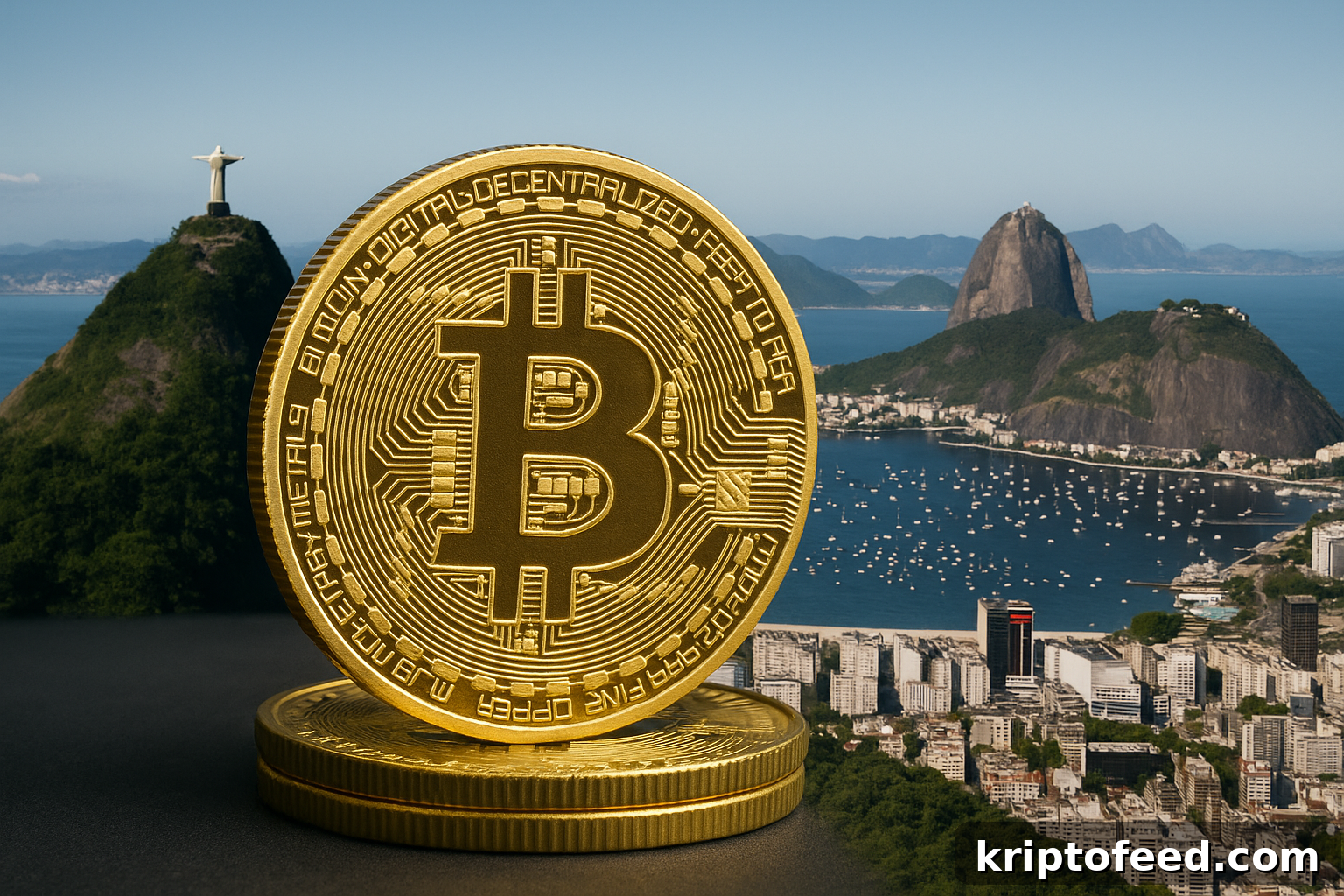
The Central Bank of Brazil is preparing to host one of Latin America’s most closely watched financial gatherings next month as central bank governors and policymakers from across the region converge in Rio de Janeiro for the autumn central banking conference.
High on the agenda is a growing debate over whether Bitcoin and other digital currencies can play a role in national reserve assets.
According to local reports, the conference will bring together central bankers and policymakers to discuss new approaches to financial stabilization, digital innovation, and inflation management.
Brazil’s participation signals a deliberate effort to position the country as a regional hub for emerging digital asset strategies.
Brazil elevates Bitcoin as a potential reserve asset
At the Rio meeting, Brazilian representatives will join officials from Colombia, Jamaica, and the Bahamas to explore how Bitcoin might be incorporated into government reserve portfolios.
Discussions will address volatility, liquidity, and Bitcoin’s potential role as a hedge against inflation.
This focus comes as Brazilian legislators continue evaluating a proposal to establish a $19 billion government Bitcoin reserve.
Earlier parliamentary debates framed the proposal as an effort to treat Bitcoin as both a strategic financial asset and a tool to diversify the nation’s holdings.
Policymakers have consulted technical experts in the digital-asset sector to examine how Bitcoin could complement traditional reserve assets such as gold and foreign currencies.
By moving these debates onto international policy forums, Brazil is signaling that the question of Bitcoin as a reserve asset has moved beyond domestic politics and is becoming a topic for regional collaboration.
Global momentum behind national Bitcoin reserves
Brazil’s renewed interest in digital reserves comes amid a broader global reassessment of reserve composition.
In the United States, officials have begun evaluating proposals for a strategic Bitcoin reserve intended to provide protection against economic shocks.
While those plans are still in early stages, they have attracted significant international attention.
In Europe, Germany’s second-largest political party recently tabled a motion calling for the creation of a national Bitcoin reserve.
The proposal urged the government to consider Bitcoin as a tool to guard against inflation and currency depreciation, reflecting growing institutional acceptance of digital assets within conventional finance.
Countries such as the Philippines and Pakistan are reviewing draft policies that would recognize Bitcoin as a strategic asset.
Although most central banks do not yet hold digital currencies in their official reserves, the shift from speculative debate to formal policy review indicates the idea is steadily moving toward the mainstream.
Infrastructure and policy implications for Brazil
Brazil’s exploration of a Bitcoin reserve is likely to overlap with ongoing work on Drex, the country’s central bank digital currency (CBDC).
The Drex project aims to create a tokenized version of the Brazilian real that can facilitate interoperability between existing payment systems and blockchain‑based platforms.
Experts argue that the technical infrastructure developed for Drex could ultimately provide the foundations needed to manage digitally denominated reserve assets.
Nevertheless, central banks worldwide still face practical challenges around securely storing, auditing, and reporting digital reserves. Market volatility and accounting standards remain key considerations.
For Brazil, next month’s conference could help chart a roadmap to address these operational obstacles through regional cooperation.
A strategic moment for Latin American monetary policy
The upcoming Rio meeting may mark a turning point in how Latin American economies view digital reserves.
With persistent inflationary pressures and currency volatility shaping monetary policy, incorporating Bitcoin into sovereign strategies may no longer seem far‑fetched.
While immediate policy shifts are unlikely, Brazil’s leadership in hosting these discussions places the country at the forefront of shaping regional digital monetary policy.
The conference’s outcomes could determine how quickly central banks move from debate to implementation, potentially setting the stage for broader integration of Bitcoin into global reserve systems in the years ahead.