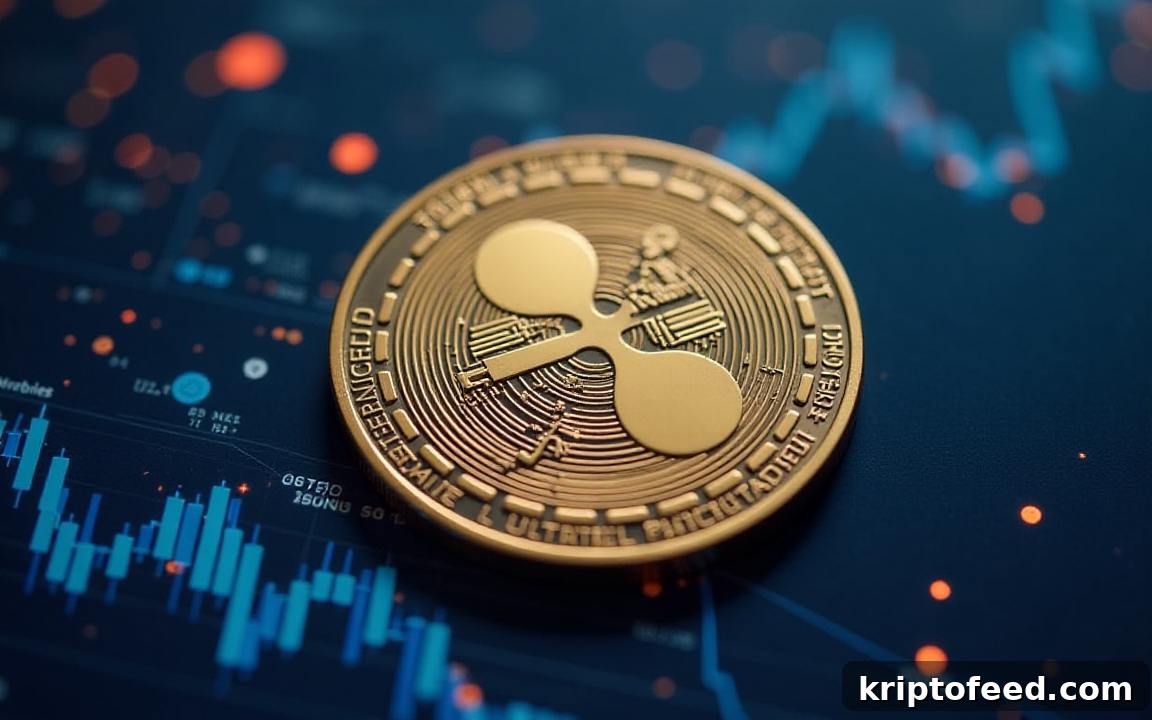
- Ripple partners with BNY Mellon to custody reserves for its dollar-backed stablecoin RLUSD, aiming to strengthen regulatory compliance and boost institutional confidence.
- This move comes amid a rising institutional interest in stablecoins, a trend often referred to as the “stablecoin summer.”
- Ripple has also applied for a U.S. banking charter and a master account with the Federal Reserve to deepen its role in the American financial system.
Ripple has appointed Bank of New York Mellon (BNY Mellon) as the primary custodian for the reserves supporting RLUSD, its U.S. dollar–pegged stablecoin.
Announced on Wednesday, the partnership is designed to enhance regulatory compliance and reassure institutional clients about the custody and movement of assets backing RLUSD.
BNY Mellon, the oldest bank in the United States and a leading provider of financial services to institutional investors, will facilitate the transfer of reserve assets and cash needed to support conversions and redemptions of RLUSD.
This custodial arrangement marks a significant development in Ripple’s stablecoin strategy since the RLUSD launch in December 2024, and signals a deliberate effort to align with established financial infrastructure and oversight.
“As the primary custodian, we’re excited to support the growth and adoption of RLUSD,” said Emily Portney, Global Head of Asset Servicing at BNY Mellon. “We’re proud to work closely with Ripple as both companies help drive the future of the financial system.”
Institutional interest fuels a “Stablecoin Summer”
The collaboration between Ripple and BNY Mellon is part of a broader shift in which traditional financial institutions are increasingly engaging with stablecoins. This surge in institutional involvement has been described by some media as a “stablecoin summer,” reflecting growing momentum around tokens pegged to the U.S. dollar.
Regulatory dynamics in the United States are changing, which is encouraging more corporate and institutional experimentation. Recent policy changes have moved away from some of the stricter crypto-era measures of prior administrations, while new legislation has sought to clarify the regulatory framework for dollar-pegged stablecoins. This clearer regulatory environment is attracting large corporates and established financial firms into the stablecoin space.
Major corporations are reportedly exploring stablecoin initiatives, and payment-focused companies are evaluating how tokenized dollars could streamline transactions, reduce friction, and speed settlements. Stablecoins — digital tokens linked to assets such as the U.S. dollar — aim to combine the speed and efficiency of blockchain networks with the price stability of fiat currencies, making them attractive building blocks for modernizing payment rails and treasury operations.
The growing institutional appetite underscores a perceived utility of stablecoins for enhancing cross-border payments, liquidity management and programmable finance. Institutional custody arrangements with well-established banks like BNY Mellon are a key element in building trust and satisfying regulatory and compliance requirements.
Ripple pursues U.S. banking charter and Federal Reserve access
Beyond naming BNY Mellon as custodian, Ripple recently filed applications for a U.S. national banking charter and for a master account at the Federal Reserve. If approved, those steps would allow Ripple to hold RLUSD reserves directly at the central bank and integrate more closely with the U.S. payment and settlement infrastructure.
Founded 13 years ago, Ripple is best known for its cross-border payment technology used by banks, payment providers and other financial institutions. While its operations have largely focused on international customers, the launch of RLUSD and moves to secure U.S. regulatory and banking relationships demonstrate a strategic push to expand its role within the domestic U.S. financial system.
BNY Mellon’s involvement in digital assets dates back to 2021, when the bank established a digital assets unit to provide services for Bitcoin and other cryptocurrencies. The custodial partnership with Ripple represents the bank’s continued efforts to support a broader digital asset ecosystem, offering institutional-grade custody and operational capabilities tailored to stablecoin-backed reserves.
With this partnership, Ripple seeks to combine its experience in blockchain-based payments with BNY Mellon’s deep custody expertise to create a compliant, scalable framework for RLUSD. The arrangement aims to reassure regulators, institutional partners and enterprises that reserves are securely held and operationally supported through established banking channels.
As regulatory clarity improves and more institutions evaluate tokenized dollars for payments and treasury functions, custodial relationships between major banks and stablecoin issuers are likely to become a critical element of the infrastructure supporting broader stablecoin adoption. Ripple’s moves — pairing with a major custodian and pursuing a U.S. banking charter — reflect that reality and highlight the industry’s focus on building trustworthy, regulated stablecoin models for institutional use.