
Data from BitcoinVisuals shows the Bitcoin Lightning Network’s capacity has risen 85 percent in the past 30 days, bringing total Lightning capacity to 97 BTC (over $600,000).
The Bitcoin Lightning Network launched in beta in early 2018 (with multiple implementations available). Since then—especially from the second quarter of 2018—the network has seen rapid growth in capacity.
The number of Lightning nodes recently surpassed 3,000 for the first time. With 7,993 payment channels recorded on August 8, the network is approaching the 8,000-channel mark.
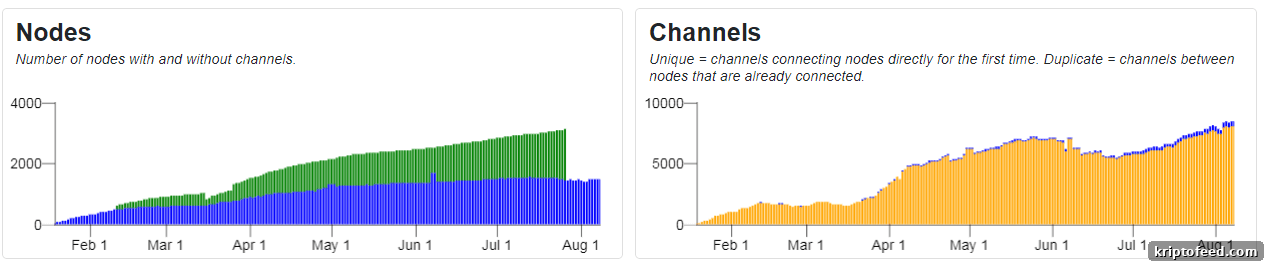
The Lightning Network’s total capacity in bitcoin has increased to 97 BTC.
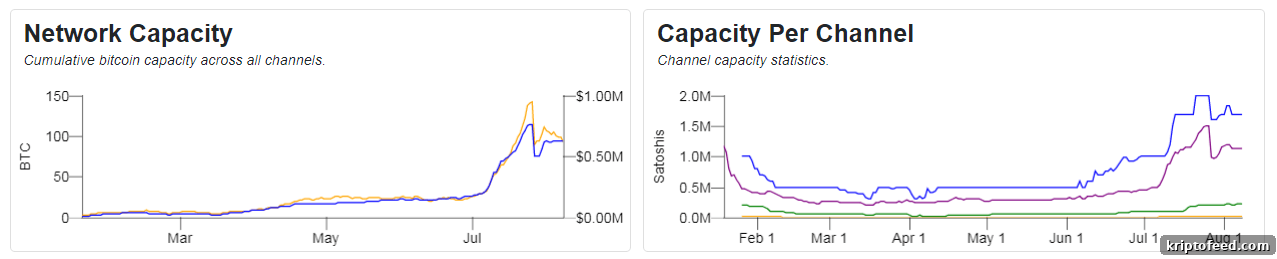
The chart shows a notable surge in July. At that time, a single node added more than 35 BTC of capacity to the network—effectively doubling capacity at that moment.
Andreas Brekken, founder of Shitcoin.com and a prominent Bitcoin Cash advocate, opened a node and a large number of payment channels, becoming the largest node in the Lightning Network. On Twitter he was dubbed the “King of Nodes.”
He said he was conducting a “test” of the Lightning Network for his site. While many observers criticized the experiment and the planned review, some Reddit users saw it as an opportunity to stress-test Lightning.
That node disappeared on July 27 after Brekken ended his experiment, which is clearly visible in the chart.
Bitcoin Lightning Network #4: What happens when you close half of the Lightning Network?
What happens when you close down half of the Lightning Network capacity? Andreas finds out.https://t.co/A36Rg1pt2I
— Shitcoin.com (@ShitcoinDotCom) July 27, 2018
The Lightning Network’s total capacity then fell from 114 BTC to 75 BTC. Since Brekken’s departure, known services like Bitrefill and various smaller operators have taken leading roles in providing capacity to the network.
Ongoing Criticism
Despite Lightning’s rapid and continued growth, criticism persists and network proponents have begun responding.
One common concern is that Lightning could encourage centralization. If two parties cannot open a direct payment channel, they may route payments through a third-party node. If a large company or financial institution were to open a node and offer channels to many customers, that could concentrate routing power and create central points of influence.
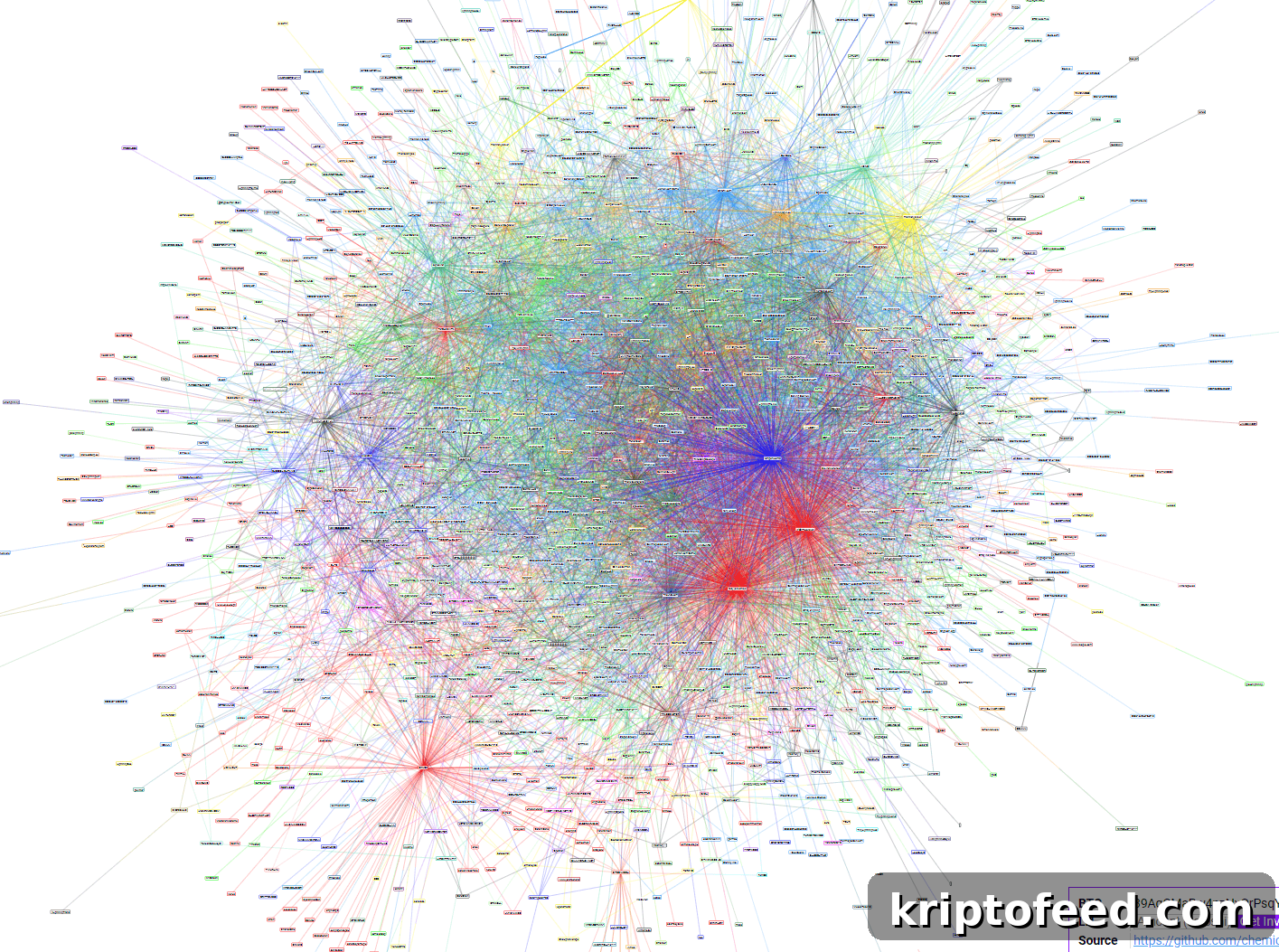
Responding to claims—such as those from Bitcoin.com partner David Shares—that Lightning nodes are centralized, developer StopAndDecrypt argued the commonly used visual maps create an illusion of centralization. In a Hackernoon post he wrote that the typical network graph can be misleading:
The fact is, this network visualization has a really poor job presenting the Lightning Network. It’s pretty and fun to play with, but it introduces analytical unfairness for everyone involved.
On Twitter he shared a more distributed visualization
https://twitter.com/StopAndDecrypt/status/957301236814024704
which, in contrast to the usual maps, gives a very different impression of the network’s structure.
About the Lightning Network
The Lightning Network uses payment channels to enable off-chain Bitcoin payments. Payment channels allow parties to conduct many transactions outside the Bitcoin blockchain, reducing the need for every small transfer to be immediately validated by miners.
Instead of writing numerous small transactions to the blockchain, the two parties in a payment channel agree how long the channel stays open and when to settle the net balance on-chain. Each party controls a private key; only when both parties sign the closing transaction is the final balance written to the blockchain and the channel closed.
Disclaimer: Trading cryptocurrencies carries significant financial risk and can result in the total loss of invested capital. Coin-hero.de does not provide investment advice or recommendations under securities law. The content on this site is for information and entertainment purposes only and reflects our opinions, not purchase recommendations. Please perform your own research before investing in cryptocurrencies. We assume no liability for any damages. Please consult our legal disclaimer in the imprint.