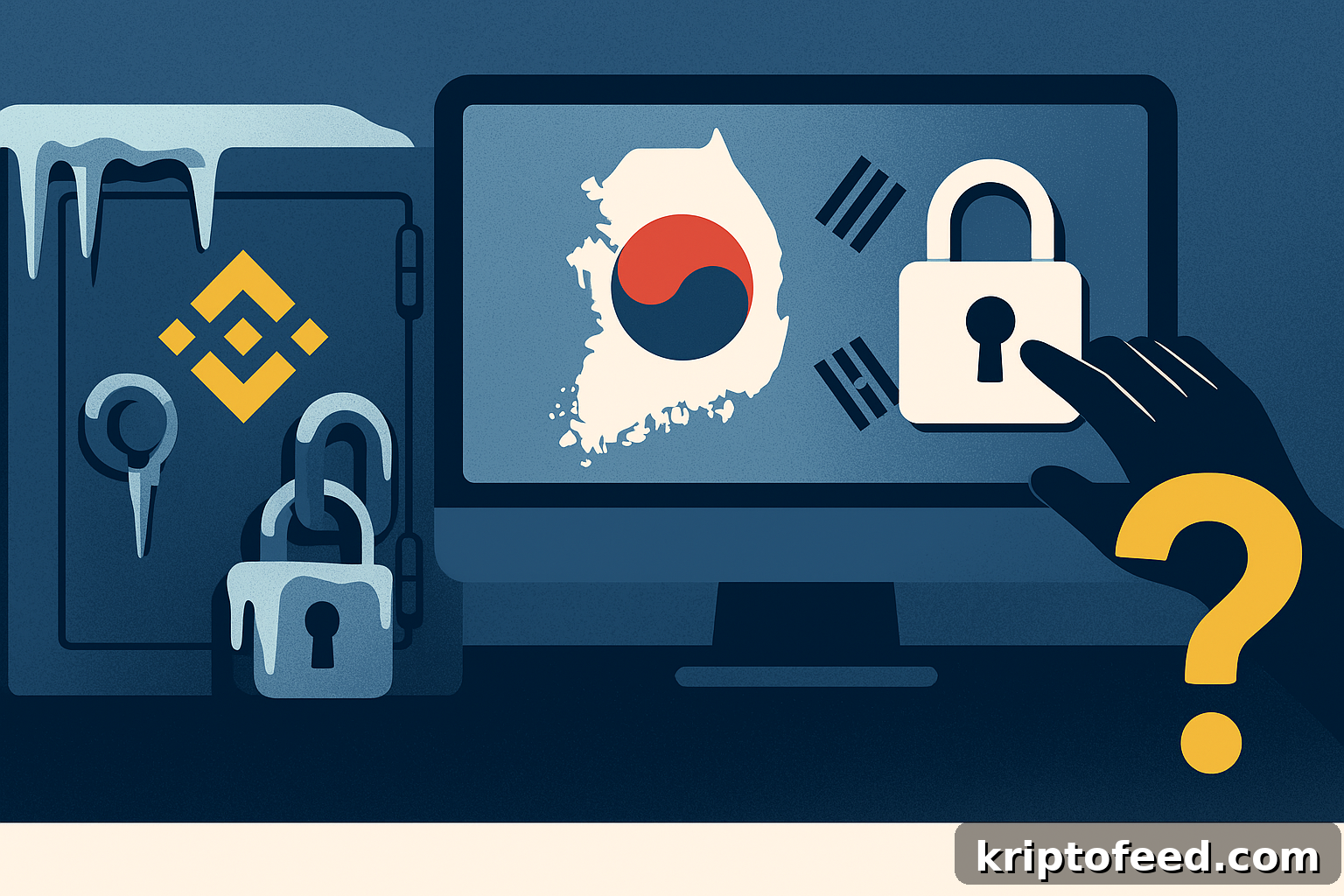
- South Korean police asked Binance to freeze Solana tokens linked to the Upbit breach on November 27.
- Binance reportedly froze roughly $55,000 after a delay of about 15 hours.
- The Upbit breach involved unauthorized Solana-based withdrawals totaling about $36 million.
South Korean authorities are reviewing how foreign cryptocurrency platforms respond to urgent law enforcement requests after new details emerged about Binance’s handling of a police freezing request tied to a security breach at Upbit.
The incident has become a focal point for how quickly stolen digital assets can be contained once they leave a domestic exchange and cross borders.
Although cooperation between exchanges and regulators is often described as routine, the Upbit case shows how verification procedures and response times can shape the outcome of an active investigation.
The situation has also renewed scrutiny over whether existing cross-border coordination mechanisms are sufficient when hacks involve large sums and assets that move quickly.
Freeze request and delayed action
According to South Korean broadcaster KBS, police investigating the Upbit breach requested that Binance freeze Solana tokens worth about 470 million Korean won, roughly $370,000, on November 27.
Investigators believed the funds were linked to wallets associated with the Upbit incident, Upbit being one of the country’s largest cryptocurrency exchanges.
KBS reported that Binance ultimately froze approximately $55,000, about 17% of the amount requested.
The freeze reportedly occurred after a delay of roughly 15 hours.
Binance told authorities that additional verification was required before it could act on the full request.
The gap between the amount requested and the amount frozen has become central to questions about the speed of enforcement.
Impact of the Upbit breach
The police request followed unauthorized withdrawals of Solana-based assets from Upbit totaling around $36 million.
The scale of the breach prompted a formal police investigation and broader efforts by exchanges to trace and recover funds across multiple platforms.
As part of the response, Upbit tracked wallet movements and alerted major global exchanges about assets suspected to be linked to the breach.
The case illustrates how quickly stolen crypto can be dispersed, making early intervention critical once an incident is detected.
Broader enforcement challenges
The episode has drawn attention to structural issues in global crypto enforcement.
KBS cited commentary noting that rapid initial freezes can limit losses in hack cases, while delays can allow assets to be further moved or laundered.
Concerns have also been raised about exchanges citing legal risks or potential litigation when responding cautiously to foreign law enforcement requests.
Discussions have included proposals for tighter coordination, such as direct emergency communication channels between major exchanges and authorities to implement temporary freezes while verification is completed.
These ideas reflect the ongoing debate over balancing due process with the need for swift action to stem asset flight.