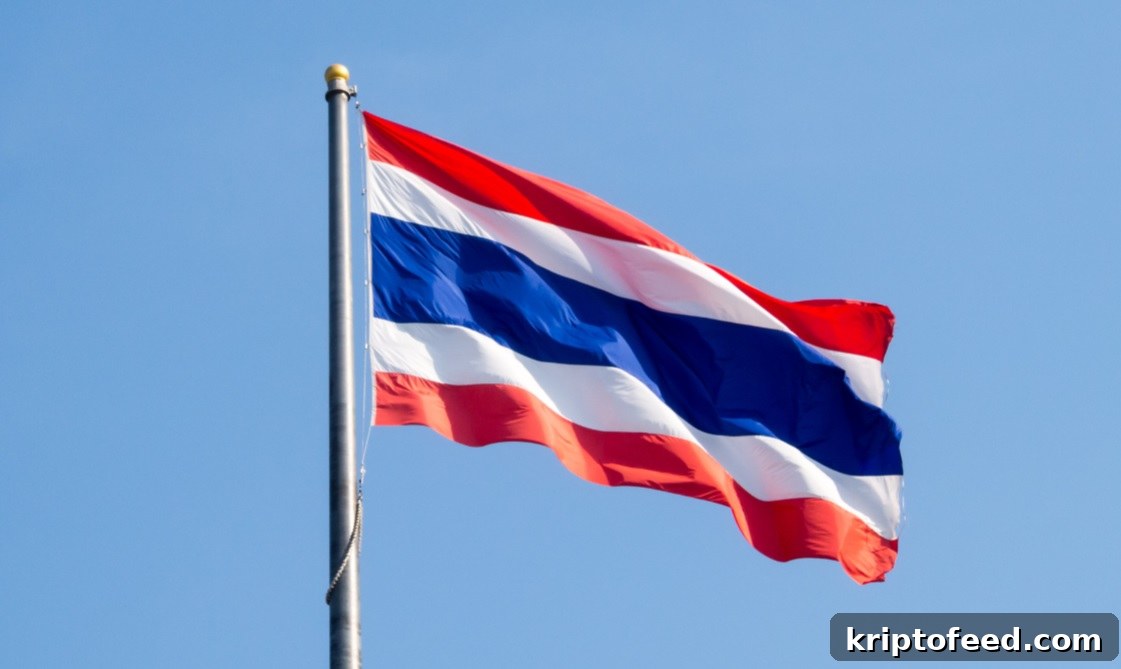
Last year, Binance faced a criminal complaint from the Thai SEC for operating without a license
Gulf Energy Development Public Company, a Thailand-based energy and infrastructure firm, has reached an agreement with cryptocurrency exchange Binance to explore opportunities to develop a digital asset trading platform and related services within the country.
A letter submitted to the Stock Exchange of Thailand on Monday disclosed a memorandum of understanding between the two parties that would see Binance support the advancement of blockchain technology and help expand digital asset development across Thailand.
Gulf Energy said it pursued the agreement with Binance in anticipation that the supporting infrastructure for Thailand’s digital economy would grow substantially in the coming years.
The company explained that combining its local experience in building networked businesses with Binance’s advanced exchange technology would be mutually beneficial and help accelerate the local digital asset ecosystem.
“The company […] contributes its expertise in establishing businesses in the country with an unrivaled network of local enterprises in the real and financial sectors, while Binance brings its state-of-the-art exchange technology,” wrote Gulf Energy CEO Yupapin Wangviwat.
A Binance spokesperson said the arrangement is an initial step to review available opportunities in the Asian market while maintaining openness and a collaborative approach.
“Our goal is to work with the government, regulators and innovative companies to develop the crypto and blockchain ecosystem in Thailand,” the spokesperson told Reuters yesterday.
An uneasy history in Thailand
Binance’s record in Thailand has been turbulent. The Southeast Asian nation was among the jurisdictions that took action against the exchange last year for allegedly operating without the required license. In July 2021, the Thai Securities and Exchange Commission filed a criminal complaint claiming Binance had illegally offered trading and exchange services to Thai users through its website.
By August, Binance had ceased its local operations. In an excerpt from an email to the Bangkok Post, the company stated, “Binance does not have exchange operations in Thailand, and we are not actively soliciting Thai users.”
Binance maintained that rather than constituting a straight accusation, the SEC’s letter represented the commencement of an investigation into the matter.
Thailand has been among the world’s most proactive countries in regulating digital assets. Last month, the Governor of the Bank of Thailand announced plans to establish a clearer regulatory framework for cryptocurrencies to mitigate risks and improve investor protections.
More recently, this year the Thai government introduced a 15% tax requirement on crypto gains for both small-scale miners and traders, part of broader moves to formalize taxation and oversight of the sector.
As Gulf Energy and Binance explore collaboration, both firms stress engagement with regulators and local stakeholders will be essential to ensure any future platform or services comply with Thai law and support the country’s broader economic goals. The partnership aims to combine local market knowledge and networks with international exchange technology to foster a safer, better-regulated digital asset market in Thailand.