Widely followed analyst Benjamin Cowen said in an X post Thursday that crypto’s slide since early 2025 reflects a deeper loss of trust that began after Gary Gensler left the SEC. Bitcoin, he noted, fell from roughly $109,000 at that time to about $75,000 now.
Cowen’s warning reaches beyond crypto markets: he argues that celebrating Jerome Powell’s exit from the Federal Reserve could produce the same credibility problem in traditional finance.
A Celebration That Became a Turning Point
Cowen’s argument is direct: Gensler’s departure was broadly welcomed, but it effectively removed a deterrent against bad actors. In his view, what followed was a period in which influencers and politicians launched meme coins, rug-pulled their followers, and suffered little or no consequences.
Capital that might have supported projects with real utility was diverted into what he calls “useless assets,” reducing liquidity across the market. Bitcoin rose briefly after Gensler left, then reversed course, and the larger rally many anticipated never materialized in a meaningful way.
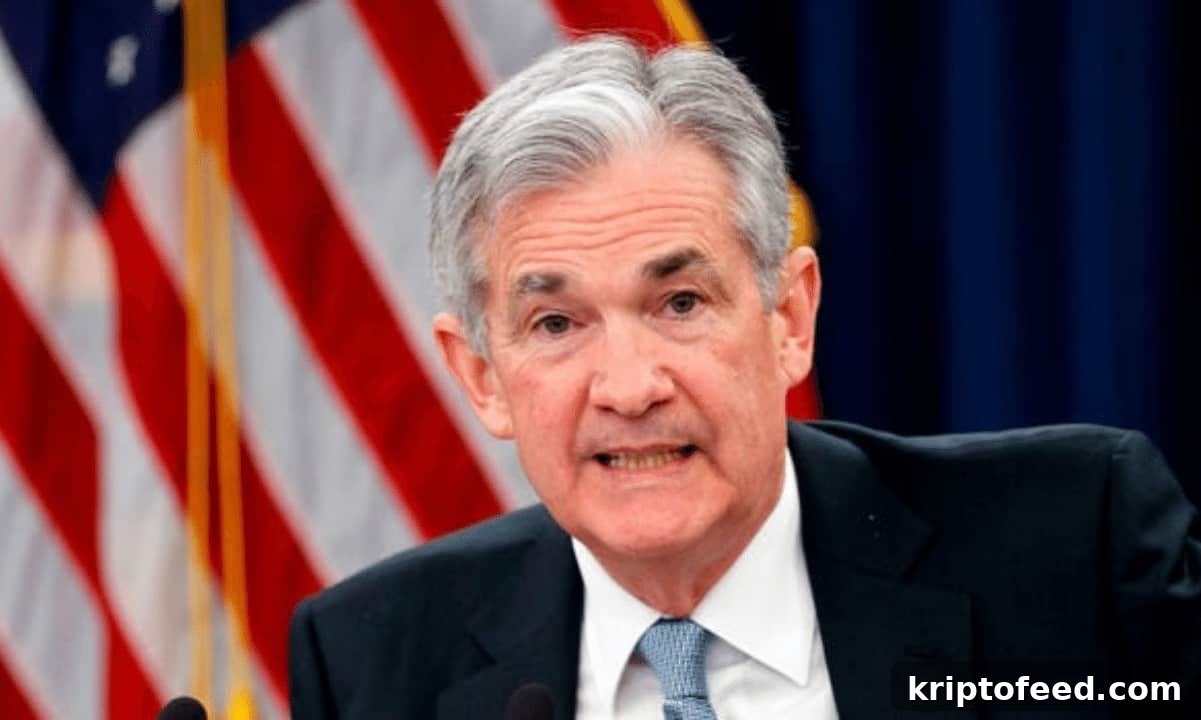
He sees a similar pattern emerging around Fed Chair Jerome Powell, following what is expected to be his final meeting as chair on Wednesday. At that meeting, the Fed kept its benchmark interest rate unchanged for the third consecutive time, holding the target at 3.50%–3.75%, with four officials dissenting.
Trump appointee Kevin Warsh, who has been approved by the Senate Banking Committee, is poised to succeed Powell. As with Gensler’s exit, many market participants interpret Powell’s departure as bullish, expecting the new chair to pursue rate cuts more aggressively.
Cowen disagrees with that optimism:
“If the Fed just becomes another cabinet of the executive branch,” he wrote, “it may lead to a lack of trust in the institution itself.”
His view is that markets are better served by a central bank perceived as independent than by one that appears compliant, even if perceived compliance brings the rate cuts traders desire in the short term.
What Happens After the Cheer Fades
Turkish crypto commentator Cihan0x.ETH expanded on Cowen’s reasoning, noting that expectations for rate cuts have shifted out, now leaning toward 2027 rather than 2026. That shift is driven more by energy-side inflation than by demand.
Ongoing conflict in Iran has kept global energy prices elevated, a dynamic that appears in US inflation readings. The Fed’s own statement referenced “the recent increase in global energy prices” as a contributing factor. Such inflation restricts the Fed’s flexibility, regardless of who sits in the chair.
Another important element of the recent news is structural. Powell announced he intends to remain on the Fed’s board after his chairmanship ends next month, citing what he described as “unprecedented” legal pressure from the Trump administration as a reason for staying. That choice prevents the administration from filling an additional board seat immediately and could create what some analysts call a “two Popes” dynamic, with a current chair and a former chair serving together on the seven-member board.
That dynamic raises governance questions about how the Fed will be perceived and how market participants will respond if the institution appears politically influenced. Cowen’s broader warning is that the loss of perceived checks and balances can destabilize trust in both crypto and traditional markets—with consequences that extend beyond any immediate price moves.