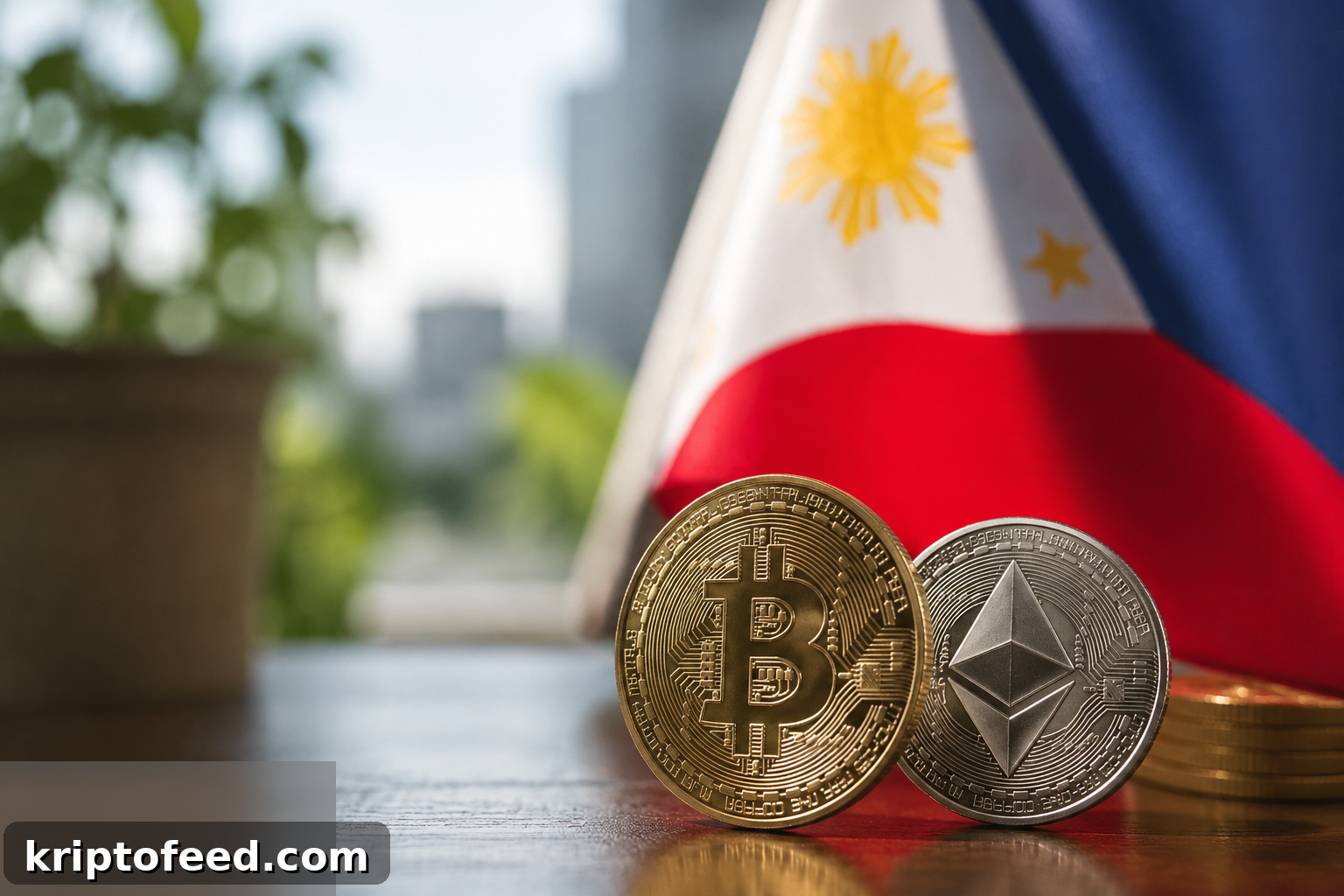
- Coins.ph adds BTC and ETH payments to the Philippines QRPh system.
- Users can spend crypto at 700,000 QRPh-enabled merchants.
- Stablecoins remain key for remittances and daily crypto payments.
Coins.ph has expanded its QRPh crypto payment functionality to include Bitcoin (BTC) and Ethereum (ETH), increasing the use of digital assets within the Philippines’ national QR payment infrastructure.
The Manila-based crypto platform announced on May 19 that users can now pay merchants nationwide using BTC and ETH through QRPh, the national QR code standard developed by the Bangko Sentral ng Pilipinas (BSP).
This update follows Coins.ph’s earlier introduction of QRPh-compatible stablecoin payments, which added support for USDT earlier this year.
Under the integrated system, crypto balances are automatically converted into Philippine pesos at checkout, allowing customers to pay merchants directly without manually converting assets into local currency beforehand.
Coins.ph estimates that the integration makes crypto payments available at roughly 700,000 QRPh-enabled merchants across the country.
Crypto payments expand within national QR infrastructure
The latest update widens the range of cryptocurrencies supported within the Philippines’ existing QR payment ecosystem.
QRPh is the national QR code standard designed to enable interoperable digital payments between financial institutions and merchants nationwide.
Earlier this year, Coins.ph became the first digital wallet provider in the Philippines to offer direct crypto payments through the national QR infrastructure by supporting stablecoins.
The company said the initial USDT rollout produced substantial transaction volume and highlighted growing consumer interest in crypto-based payments for everyday use.
With Bitcoin and Ethereum now added, Coins.ph extends access to two of the world’s largest cryptocurrencies while keeping the same checkout experience used for stablecoin payments.
The process allows users to scan merchants’ QRPh codes while the platform converts the chosen crypto into Philippine pesos in real time, simplifying the payment flow.
Stablecoins remain central to remittance use cases
Coins.ph emphasized that stablecoins continue to play a pivotal role in the Philippines’ payment landscape, especially given the country’s standing as a major remittance hub.
The Philippines receives a significant volume of remittance inflows each year, and stablecoins have become an increasingly common option in cross-border payment flows.
By allowing recipients to receive and hold dollar-pegged digital assets, stablecoins give users flexibility to convert or spend funds locally when convenient.
Coins.ph said the QRPh integration lets users move between fiat currency and digital assets within a single payment flow, eliminating extra conversion steps often associated with crypto transactions.
Adding Bitcoin and Ethereum broadens the range of supported assets while preserving what the company describes as a unified, practical payment experience for daily use.
Coins.ph highlights broader crypto adoption growth
Coins.ph operates as a licensed Virtual Asset Service Provider and Electronic Money Issuer under BSP regulation.
The Philippines is one of the fastest-growing crypto markets globally. The company cites estimates that more than 15 million people in the country—about 13.4% of the population—now use cryptocurrencies.
Wei Zhou, CEO of Coins.ph, commented:
“The addition of new tokens to our QRPh crypto payments feature is a great achievement following the landmark introduction of USDT payments for the Philippine financial landscape. We aren’t just adding new tokens; we are redefining what a digital wallet can do. This is the future of finance in action and we’re making the world’s most popular cryptocurrencies a functional part of the Filipino daily life.”
Coins.ph said its platform combines digital assets, payments infrastructure, remittances, foreign exchange services, investment options, and treasury products into a unified financial ecosystem designed to support both businesses and consumers.