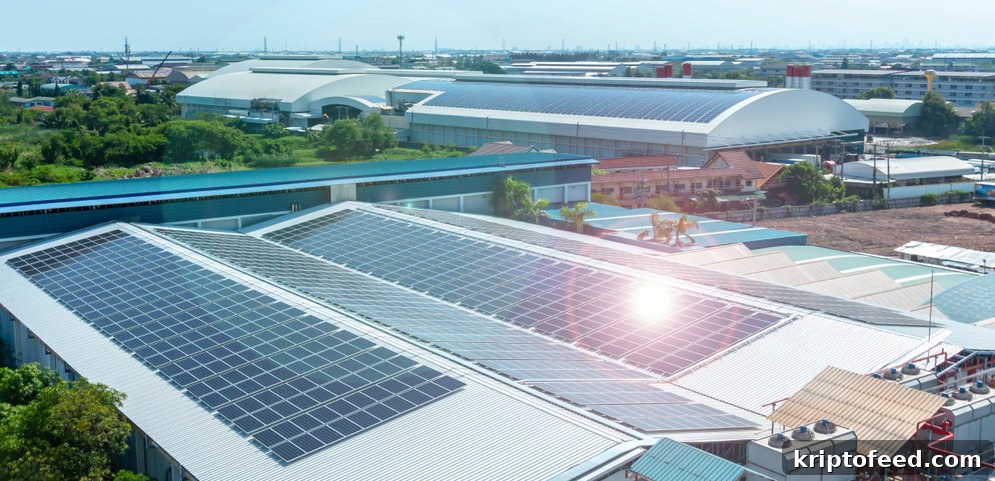
Tesla, Blockstream, and Jack Dorsey’s Block have partnered to build a solar-powered Bitcoin mining site in West Texas. The facility will be powered by a 12 megawatt-hour Megapack battery and a 3.8 megawatt solar array supplied by Tesla.
On the sidelines of the Bitcoin 2022 conference in Miami, Blockstream co-founder and CEO Adam Back — a British cryptographer and member of the cypherpunk community — told CNBC that the new mining site is being designed to demonstrate that Bitcoin mining can operate on 100% renewable energy.
Back said:
“People like to debate the different aspects of Bitcoin mining. We decided to simply prove it. Have an open dashboard so people can interact with it, and perhaps that will encourage others to participate.”
The team building the mine will also create a public dashboard that provides real-time metrics on project performance, including the number of bitcoins mined and power consumption. The dashboard is expected to display solar generation figures and storage performance data as well.
Back added:
“This is a step to validate our thesis that Bitcoin mining can finance zero-emissions power infrastructure and create economic growth for the future.”
Adoption of Renewables in Crypto
West Texas is currently a hub for renewable energy in the United States, and increasing the economic viability of solar and wind resources there requires better use of both daytime solar and nighttime wind generation. Much of that generation is concentrated in remote areas, creating a need for additional infrastructure and economic incentives to fully harness the region’s energy potential.
Energy buyers play a central role in driving the economic development of renewables by making projects more commercially feasible. Bitcoin miners can act as flexible, on-site energy consumers that help keep generation assets running while grid upgrades and broader transmission adoption progress.
However, miners are effectively temporary buyers: they operate while infrastructure and wider grid solutions are being developed. West Texas’s current capacity constraints — cited in the project planning as limits on local generation, transmission, and demand — underscore the need for interim demand that can absorb variable output from new renewable builds.
Back noted the off-grid mine is expected to be completed later in the year, enabling miners to operate independent of local grid infrastructure. If the pilot generates surplus value, the team plans to scale by adding wind generation to complement the solar-plus-storage setup.
Back explained the reasoning behind the design:
“You’re calculating an optimal economic mix of solar and batteries. With 3.8 megawatts of solar feeding one megawatt of mining, you have to overprovision because peak solar input varies through the day and, of course, there’s no sun at night.”
Overprovisioning combined with battery storage reduces costs and mitigates downtime associated with intermittent solar generation, making the operation more reliable and economically efficient.
Blockstream stated the primary goal is to strengthen the Bitcoin network by expanding renewable energy sources dedicated to crypto mining, demonstrating a pathway where digital infrastructure can help finance and accelerate the deployment of zero-emission power systems.