With so much information available about making money online, many people have lost funds to scams in one form or another. Cryptocurrencies have faced intense scrutiny about their future value, especially after fraudulent offerings—such as some ICOs and other coins lacking solid foundations—vanished from the market. Here at Cointext, we explain what a Ponzi scheme is to help you avoid falling for seemingly attractive investments that suddenly disappear.
What is a Ponzi scheme?
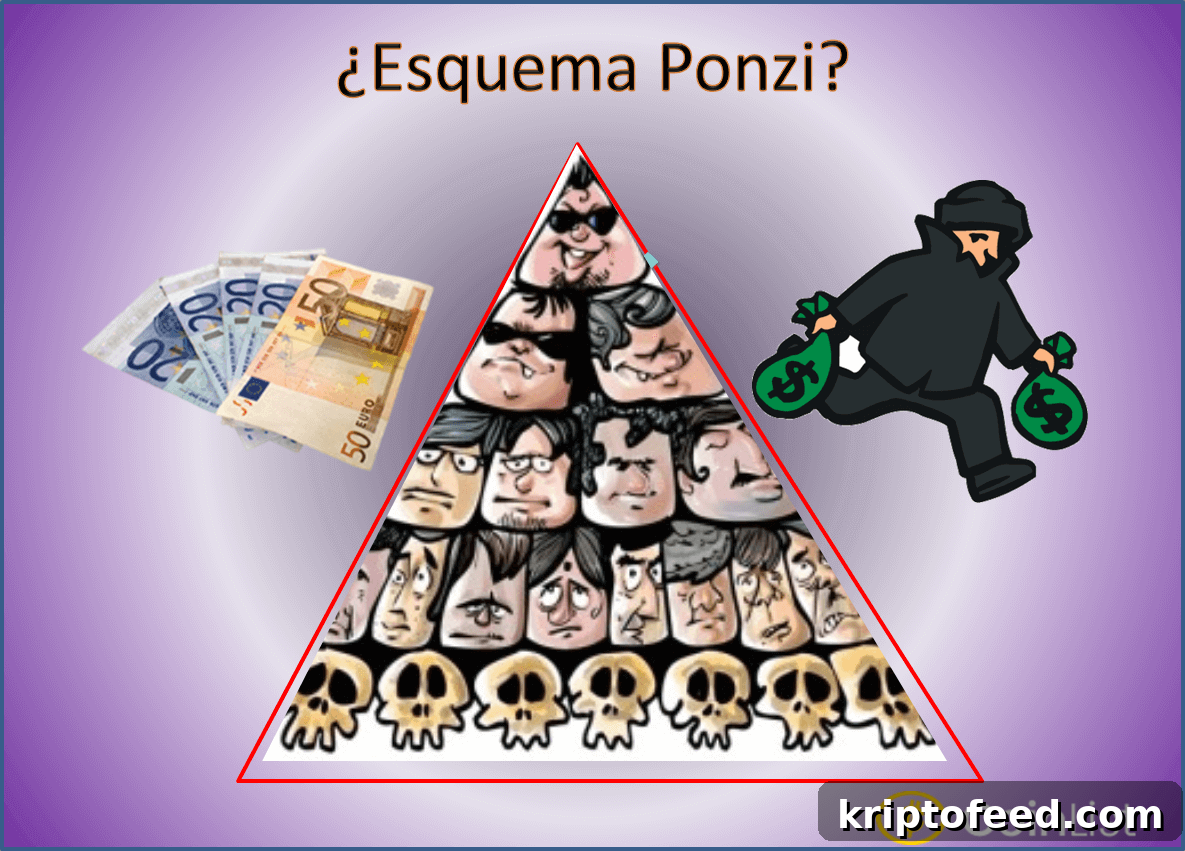
A Ponzi scheme is a fraudulent investment operation in which returns are paid to earlier investors using the capital of new investors, or from the investors’ own funds, rather than from legitimate profit earned by the operation. These schemes lure participants with promises of unusually high returns.
How does a Ponzi scheme work?
It’s important to understand that a Ponzi scheme promises very high returns in a short time frame. Keep in mind—and be cautious—about offers that seem “too good to be true”; such offers should be investigated thoroughly. The scheme is named after Carlo Ponzi, who in 1920 created a profit distribution plan promising around 45% monthly returns. He spread the rumor and attracted many investors, paying some early returns—reportedly even up to 100% in three months—using money from successive new investors. This model is unsustainable, and over time most investors lose all their money.
Main characteristics of a Ponzi scheme
When evaluating whether an investment is legitimate, consider the following warning signs:
- It promises high returns in a short period.
- Returns are paid from sources that are not clearly explained.
- It targets people with limited financial knowledge.
- It is tied to a single promoter or a single company.
- The company is not registered or supervised by the relevant regulatory authorities in the country where it operates.
- There is an absence of independent audits by specialized firms.
Video explanation of how a Ponzi scheme operates
Are cryptocurrencies Ponzi schemes?
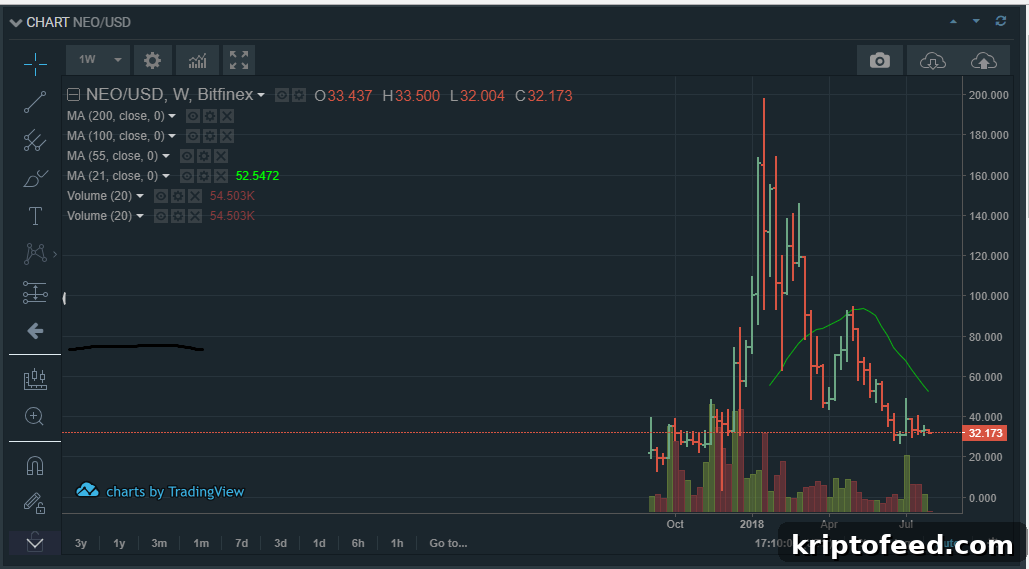
Many have claimed cryptocurrencies are Ponzi schemes, pointing to the rising prices of Bitcoin and other coins. However, if you look at Bitcoin’s charts, you’ll see it fluctuates like any other financial instrument. Cryptocurrencies are decentralized, backed by large communities that support operations, and many exchanges operate under regulatory frameworks. These characteristics distinguish cryptocurrencies from Ponzi schemes. That said, there have been cases of fraudulent ICOs and other crypto projects that disappeared with investors’ funds. At Cointext, we focus on providing information about cryptocurrencies with solid reputations and teams of qualified developers and researchers behind them.
Conclusions about Ponzi schemes
Ponzi schemes have a very high probability of failing because they rely on continuously recruiting new investors to pay earlier participants; recruiting becomes increasingly difficult over time. Operating this way is fraudulent and, in many jurisdictions, criminal. The best defense is skepticism toward promised returns that far exceed typical market rates—excessive returns are the primary lure used by scammers. Always read contracts carefully, verify registrations and audits, and conduct thorough due diligence before investing.