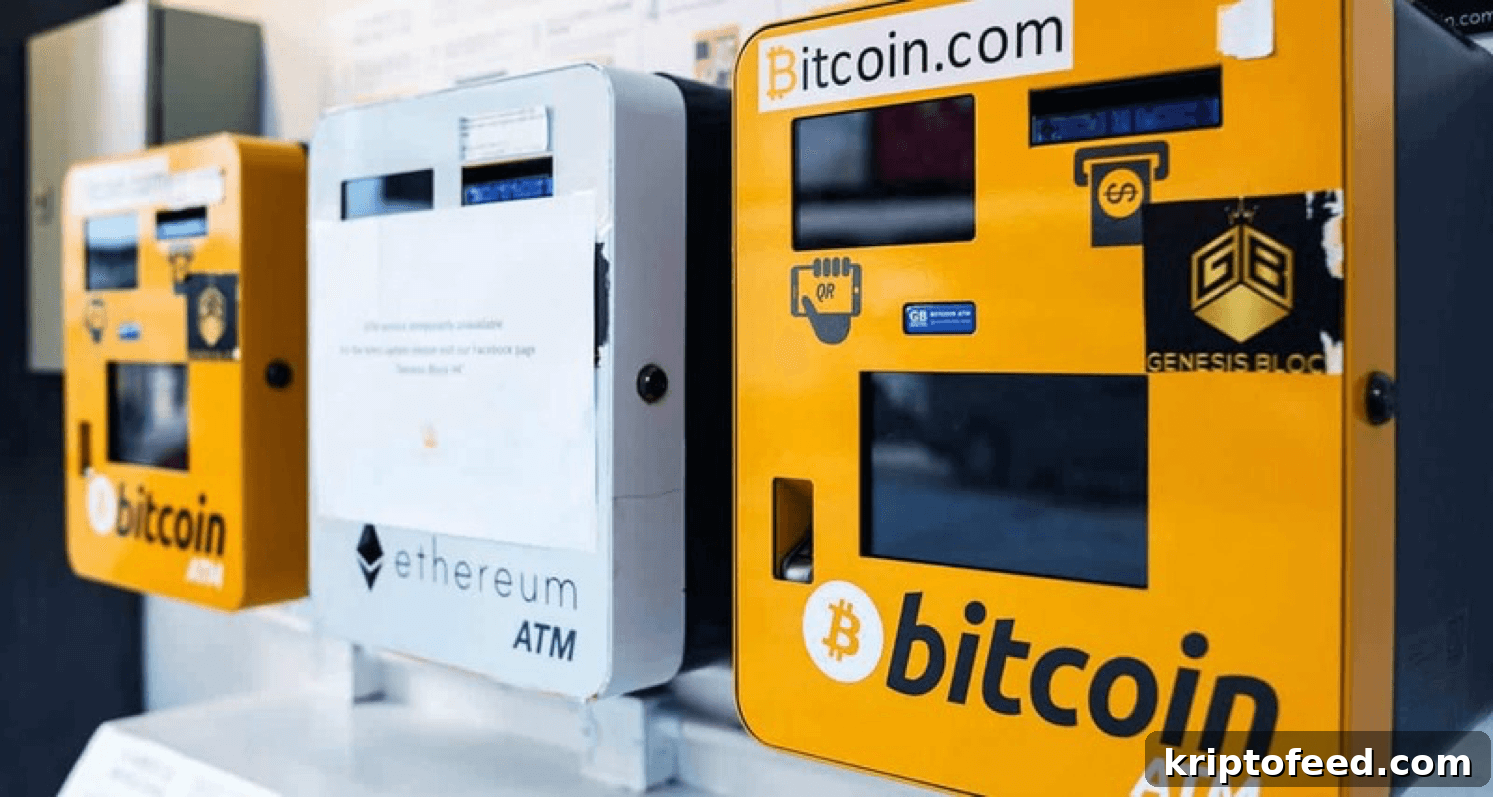
- The North Dakota Senate has approved legislation to regulate cryptocurrency automated teller machines (ATMs).
- The bill reinstates a $2,000 daily transaction limit for crypto ATM transactions.
- Crypto ATMs have drawn significant attention from regulators, including the United Kingdom’s Financial Conduct Authority (FCA).
The North Dakota Senate passed a bill establishing a licensing and oversight framework for crypto ATMs.
The bill requires operators of virtual currency kiosks to hold money transmitter licenses and to deploy blockchain analytics to detect and report fraud. It also sets a $2,000 daily transaction cap; the bill originally proposed a $1,000 daily limit.
To combat scams, the legislation mandates quarterly reporting from operators and the appointment of compliance officers. Introduced in the Senate on January 15, the measure passed on March 18 by a 45-to-1 vote and focuses on protecting residents by imposing new standards for crypto ATM operators.
Concerns about crypto ATM-related fraud have grown: data indicate at least $160 million in illicit activity has been facilitated through these machines since 2019.
Requirements for crypto ATM operators
Under the bill, operators must use blockchain analytics to identify suspicious transactions and report suspected fraud to authorities.
During a January 22 hearing, the bill’s sponsor, State Representative Steve Swiontek, said that existing protections for crypto ATMs are inadequate and may enable criminals to exploit the machines.
Heightened fraud and regulatory scrutiny have slowed the growth of crypto ATMs despite the rise in Bitcoin’s price in 2024. The United States continues to host the majority of Bitcoin ATMs globally, accounting for roughly 78% of the market.
Regulatory activity on this front is not limited to North Dakota. On March 13, Nebraska Governor Jim Pillen signed the Controllable Electronic Record Fraud Prevention Act into law. At the federal level, U.S. Senator Dick Durbin introduced similar legislation on February 25 following a case involving a $15,000 deposit at a crypto ATM tied to an attempt to avoid arrest.
In the United Kingdom, the Financial Conduct Authority has intensified enforcement against unregistered operators. A UK court recently sentenced a man to four years in prison for illegally operating a network of crypto ATMs; Olumide Osunkoya pleaded guilty to related charges in October 2024.
The FCA has reported that its enforcement actions have driven the number of Bitcoin ATMs listed in the UK on CoinATMRadar down to zero, reflecting an aggressive crackdown on illegal operations.