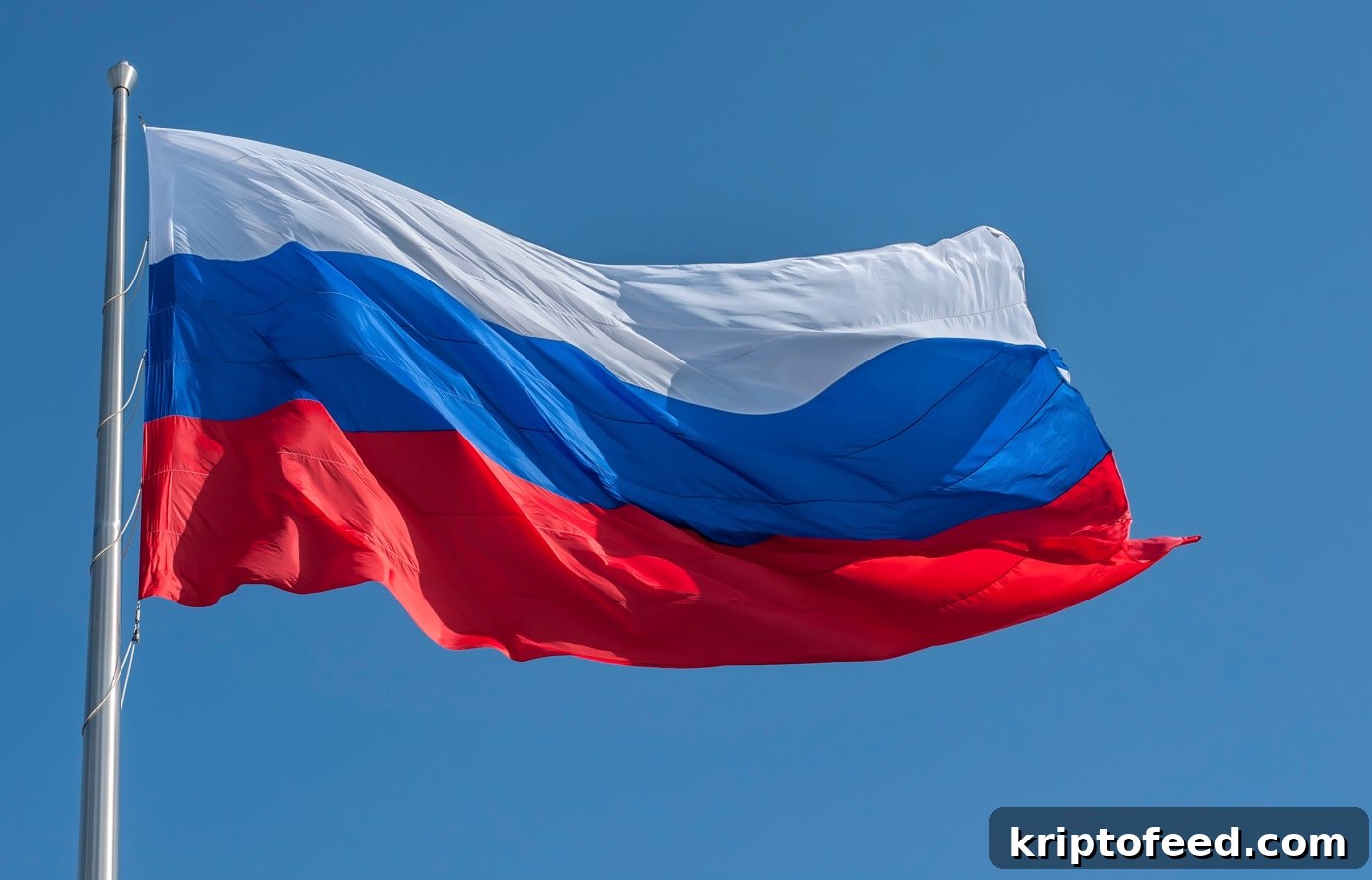
The future of cryptocurrencies in Russia once looked bleak, but sentiment is gradually shifting toward cautious optimism. This week, reports say the country’s finance minister sent a letter to the prime minister advocating for cryptocurrencies and urging banks to treat them as financial assets.
Below are the main cryptocurrency developments from this week:
Local Russian banks may be allowed to handle cryptocurrencies
Recent reports indicate Russian banks could soon gain permission to offer new crypto-related services. The business daily Kommersant reported that banks may be authorized to deal in cryptocurrencies.
The Bank of Russia has maintained a firmly negative stance on crypto, publishing a consultation paper that recommended bans due to perceived risks to the national financial system. In contrast, the Finance Ministry has openly expressed a pro-crypto position. Ivan Chebeskov, director of financial policy at the ministry, said in late January that the ministry prefers regulation over outright prohibition. President Putin has also voiced support for digital assets in a separate meeting.
New accounts suggest Finance Minister Anton Siluanov wrote to the prime minister pushing to recognize cryptocurrencies as financial assets, which would legally allow banks to trade them. Any such move would come with strict controls: banks would operate under a tightly regulated framework. It will be interesting to watch how differing positions among government bodies evolve as Russia shapes its crypto policy.
Crypto firms cut power use as Texas braces for an Arctic blast
A severe winter storm has swept across parts of the United States, straining electricity grids and producing heightened energy demand in states like Texas. During the crisis, Bitcoin miners in the state have voluntarily reduced or suspended operations to ease pressure on the grid.
Texas attracted miners escaping tighter regulation elsewhere thanks to low electricity costs and a local grid run by the Electric Reliability Council of Texas (ERCOT). That grid functions best when supply and demand remain balanced. To preserve emergency reserves during the storm, several mining operations scaled back power consumption.
Riot Blockchain, for example, began shutting down its Whinstone facility and reduced its electricity usage by about 98% within a day. Other mining companies also voluntarily paused or curtailed activity to help stabilize the grid during extreme weather.
Michael Saylor: clear crypto rules would spur institutional adoption
Michael Saylor, CEO of MicroStrategy and a prominent Bitcoin advocate, reiterated his view that clear regulatory guidance would accelerate institutional adoption of digital assets. Speaking on CNBC’s Squawk on the Street, Saylor argued that firmer government rules would unlock capital currently sitting on the sidelines.
He urged regulators to provide “clear and distinct” definitions that separate digital property, digital securities, and digital currencies, and to establish operational rules for crypto exchanges. Saylor also suggested that Bitcoin’s current volatility is amplified by trading speed but will stabilize as traditional adoption grows. He added that Bitcoin stands out as a viable solution to meet demand for durable digital assets.
MicroStrategy remains one of the largest corporate holders of Bitcoin, with the company reporting holdings of 125,051 coins acquired at an average price of $30,200 each.
Tezos blockchain expands sports presence with multi-year Manchester United deal
Reports say English soccer giant Manchester United has struck a multi-year sponsorship agreement with the Tezos blockchain to become the club’s official training kit partner. According to The Athletic, the club is already filming promotional content ahead of the announcement. The deal is reportedly worth roughly $27 million per year for Tezos to feature its logo on the team’s training apparel.
The partnership would mark Manchester United’s first major move into blockchain partnerships, and discussions are said to be underway about extending collaboration into other blockchain-related areas, including Web3 and the metaverse. The news reflects growing interest in crypto-branded partnerships across European football as clubs explore new commercial opportunities.
Tezos has previously partnered with other sports and motorsport organizations, including Red Bull Racing, McLaren Racing, and the New York Mets.
Diem seen as a failed effort; Dorsey says Facebook should have adopted Bitcoin
Following news that Meta sold Diem’s assets and intellectual property to Silvergate Capital for $192 million, the social media company’s effort to launch a stablecoin appears to have ended. In an interview at MicroStrategy’s Bitcoin for Corporations conference, Block CEO and Twitter founder Jack Dorsey said the project — from Libra to Diem — offered lessons but ultimately “wasted time and effort.”
Dorsey argued Meta should have embraced an open protocol like Bitcoin instead of creating a new, centralized currency. He said using Bitcoin’s open standard could have made the cryptocurrency more accessible globally and benefited Meta’s products, including Facebook. A longtime Bitcoin proponent, Dorsey has focused his efforts on promoting Bitcoin adoption since leaving Twitter and remains committed to helping scale its use worldwide.