- Chairman Kelvin Wong warned about inflated DAT stock prices.
- Boyaa Interactive and Ourgame International are among the affected companies.
- India and Australia are also taking steps to curb cryptocurrency-heavy listings.
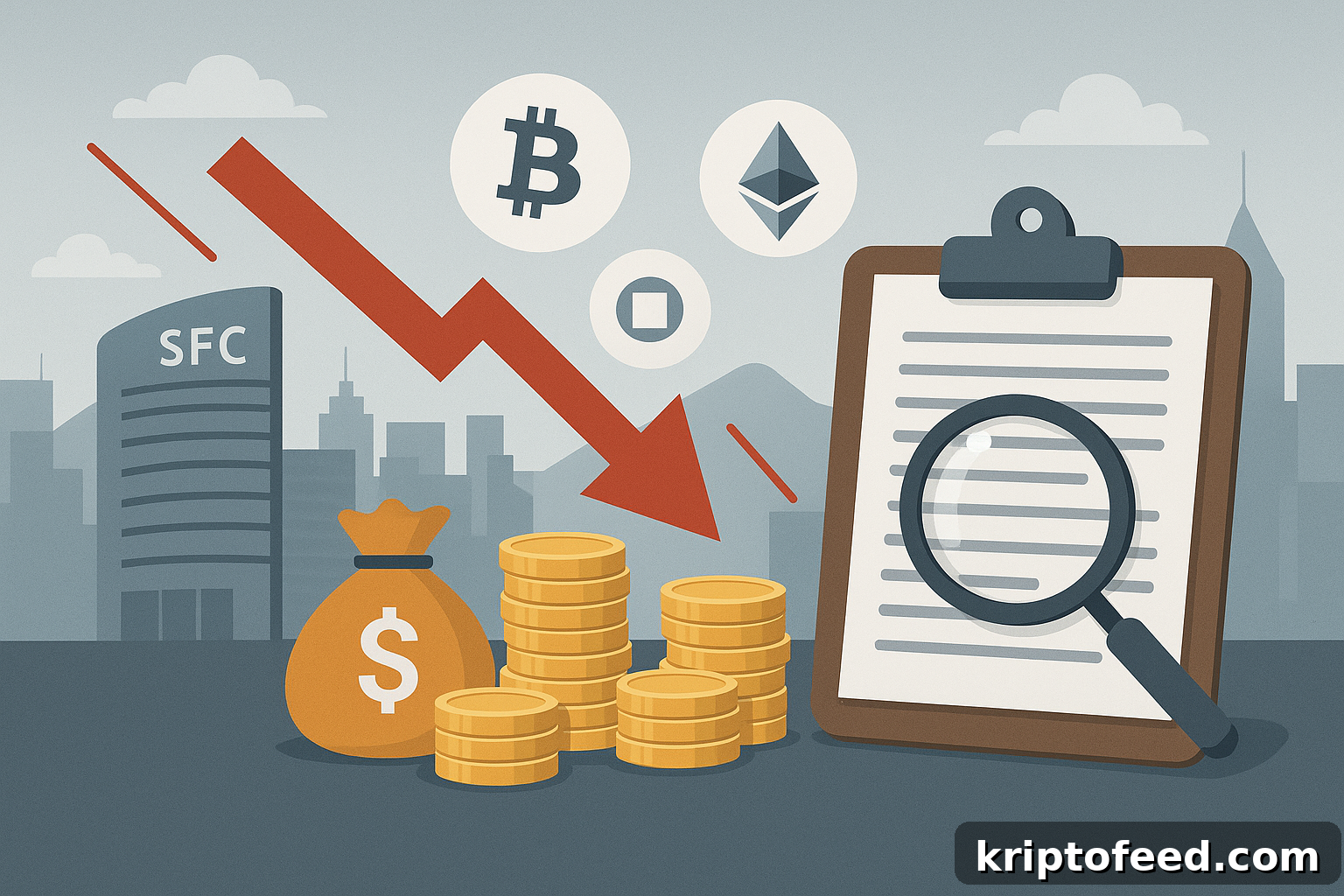
The Securities and Futures Commission (SFC) of Hong Kong has stepped up oversight of listed companies holding digital asset treasuries (DATs) after findings suggested retail investors could have lost billions trading these stocks.
The regulator is concerned that some companies’ share prices are trading far above the value of their crypto holdings, raising questions about investor protection and market transparency.
This move comes amid growing global unease about corporate exposure to digital assets, with regulators in Hong Kong, India and Australia increasing scrutiny of firms that include cryptocurrencies on their balance sheets.
SFC flags risk of stock overvaluation
SFC chairman Kelvin Wong Tin-yau said the regulator is closely monitoring how listed companies manage their crypto assets, noting that some share prices may not accurately reflect the real value of those holdings.
Wong pointed to examples in the United States where firms with digital-asset exposure saw valuations climb to more than double the cost of their cryptocurrency portfolios.
Research from 10X Research in Singapore found earlier this month that retail investors may have collectively lost about $17 billion trading digital-asset-treasury companies.
Much of those losses stemmed from investors buying shares at prices well above the companies’ net asset values.
Some of Hong Kong’s most active DAT companies, including Boyaa Interactive and Ourgame International, have seen weakened share performance amid volatility in crypto markets.
The SFC’s heightened concern reflects a broader effort to assess whether these firms pose risks to financial stability, especially when stock prices are driven more by speculative demand than by operational performance.
Regulators push back against rebranding attempts
Hong Kong authorities have already taken action against companies attempting to relabel themselves as crypto-holding firms without substantial business operations.
The SFC cited listing rules that prevent companies from holding excessive liquid assets, including cryptocurrencies, on their balance sheets without clear operational justification.
Wong said investors should “fully understand the underlying risks of DATs,” and added that the commission plans to expand public education campaigns to help retail traders grasp how digital-asset treasuries work and the market volatility they face.
Once its review is complete, the SFC will decide whether specific guidance for DATs is needed, since Hong Kong currently lacks a dedicated framework for listed firms that invest directly in cryptocurrencies.
Global caution spreads across markets
Regulatory caution is not limited to Hong Kong. Similar developments have emerged recently in India and Australia, where exchanges have voiced concern about listed companies shifting large portions of capital into crypto assets.
In Australia, the Australian Securities Exchange (ASX) bars listed companies from holding more than 50% of their assets in cash or cash-like instruments, a rule that complicates attempts to build crypto-heavy balance sheets.
In India, the Bombay Stock Exchange recently rejected Jetking Infotrain’s proposed listing because the company intended to allocate funds to digital assets.
Across these jurisdictions, regulators are increasingly aligned on the need for clearer oversight of corporate exposure to cryptocurrencies.
Industry worries over unsustainable models
Crypto industry experts have voiced concerns that many DAT businesses operate without robust governance structures or defined risk controls.
Without clear strategies to manage asset volatility or liquidity shocks, retail investors could face significant losses if markets turn down.
While digital-asset treasuries offer companies a new way to diversify holdings, regulators argue these initiatives should be backed by solid business fundamentals rather than speculative enthusiasm.
The SFC’s review is a significant step toward defining how listed companies can responsibly integrate cryptocurrencies into financial strategies without jeopardizing shareholders.