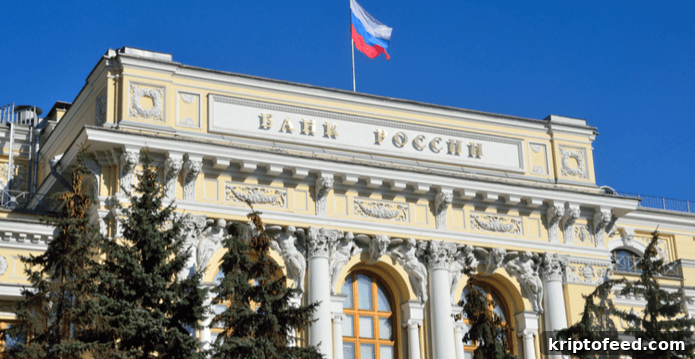
Twelve banks will take part in the pilot program for the new digital currency
A recent survey of more than 3,000 people conducted by HeadHunter found that 11% of Russians are prepared to receive their salary in digital rubles, according to a report published by Izvestia.
The poll indicated that 41% of respondents are firmly unwilling to accept payments in digital rubles, while the remainder are undecided. Among those open to the digital ruble, opinions vary on how much of their salary they would accept in the new currency: some would take their entire salary in digital rubles, while others would accept no more than half.
The Bank of Russia will launch a pilot program for the digital ruble involving 12 banks that together process salary payments for 87% of the country’s workforce. Participating banks include Rosbank, VTB, Sberbank and TKB Bank.
The central bank plans to complete a prototype of the digital ruble by December, with experimental testing set to begin in January 2022. Participation in the testing will be voluntary for the banks’ clients.
First Deputy Governor of the Bank of Russia Olga Skorobogatova explained earlier this month, “A digital ruble project is aimed to create new payment infrastructure to improve the availability of payments and transfers and to reduce their cost for households and businesses.”
During the initial stage of the pilot, issuance of the digital currency and various related operations will be tested. Subsequent stages will expand the number of participants and the volume of transactions as the pilot progresses.
Skorobogatova added, “For the convenience of its use, we need to ensure a seamless migration between the forms of the ruble. This is why it is highly important for us to cooperate with market participants at all stages of the pilot project. To organise this cooperation, we have promptly formed the first pilot group of banks for them to have enough time to technically and technologically prepare their systems and processes for piloting.”
Before full implementation, several issues still need to be resolved, including estimating the cost of rollout and assessing the potential impact on loan rates if liquidity flows out of commercial banks.
The digital ruble could also offer a range of benefits, such as lower transaction costs within the new financial system, support for offline non-cash payments, settlements through smart contracts and improved measures to prevent the sale of tobacco and alcohol to minors.