Claiming that 2017 was the year of cryptocurrencies is not an exaggeration. Digital currencies such as Bitcoin, Ether and Ripple dominated headlines throughout the year, bringing mainstream awareness and investor interest. While Bitcoin—the first and most well-known cryptocurrency—remained the most popular, it was far from the only one attracting investors. Ether, the native unit of the Ethereum platform and blockchain, also showed strong potential. As Bitcoin set record after record, Ether was never far behind. With the crypto revolution likely to continue into 2018, here are ten compelling reasons to consider investing in Ether.
Ethereum Price 2018
1. Ether is more than a digital currency — it’s an ecosystem
One of the key reasons Ether presents an interesting investment opportunity for 2018 is the Ethereum platform itself. Ethereum is a decentralized platform built on its own blockchain that enables smart contracts—self-executing agreements that act as a neutral intermediary, similar to a notary or lawyer, to enforce terms between parties. These contracts are written in Solidity, Ethereum’s programming language. Ether is also the primary currency used to fund projects via Initial Coin Offerings (ICOs), making it central to a wide range of blockchain-based initiatives.
2. Banks are interested in Ethereum technology
Blockchains—whether Bitcoin’s or Ethereum’s—serve as tamper-resistant electronic ledgers that record every transaction, a feature that has attracted strong interest from banks. Ethereum’s added flexibility, thanks to decentralized smart contracts, enhances its appeal. Smart contracts aim to provide stronger enforcement of contractual terms while reducing transaction costs. In January 2017, Ethereum technology was successfully trialed in a closed environment by several investment banks in collaboration with the New York startup R3CEV. In the three days following that announcement, Ether’s price rose by more than 50%.
3. Some governments are exploring Ethereum
Interest in Ethereum extends beyond the banking sector; governments have shown curiosity as well. A meeting between Ethereum developer Vitalik Buterin and Vladimir Putin suggested Russia may be exploring the technology. Singapore has reportedly tested using Ethereum-based solutions to digitize aspects of its national currency. Whether Ether could achieve legal tender status in countries experimenting with the platform remains to be seen, but government-level interest highlights the technology’s potential reach.
4. The Enterprise Ethereum Alliance
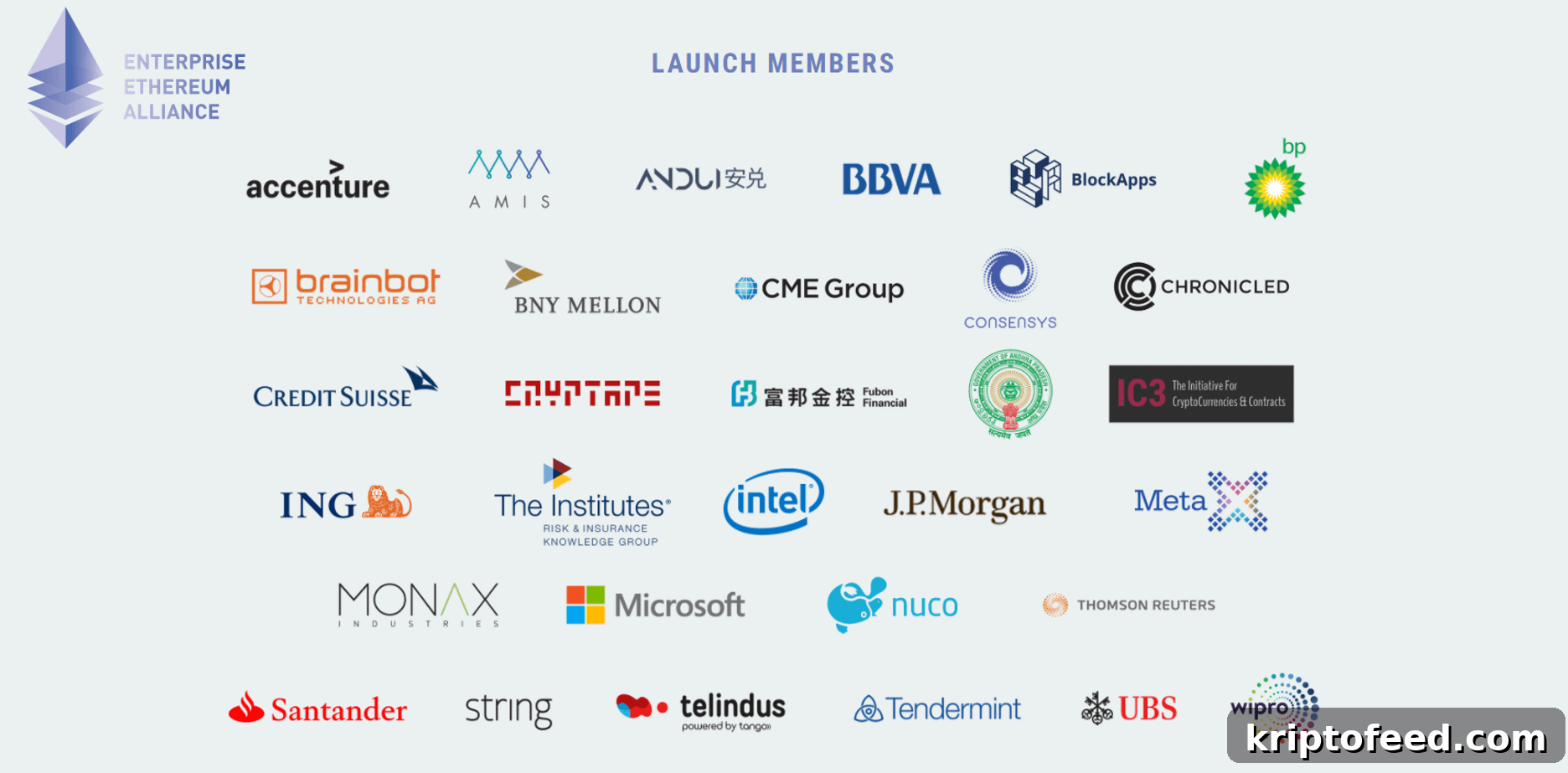
Launched in early 2017, the Enterprise Ethereum Alliance (EEA) brought together major corporations—names like JP Morgan, Intel and Microsoft were early supporters—to develop an enterprise-focused version of Ethereum’s blockchain tailored to business needs. This private-facing variant aims to retain the benefits of the public Ethereum network while addressing enterprise requirements. The formation of the EEA was one factor that helped drive Ether’s surge in value in 2017 and is likely to continue supporting interest and adoption.
5. Ether is inflationary in supply
Ether functions differently from Bitcoin in terms of supply policy. Bitcoin is capped at 21 million coins, while Ether does not have a fixed supply cap. Ether serves as compensation for executing smart contracts and processing transactions on the Ethereum network, and its issuance model is inflationary. This fundamental difference influences its economic characteristics and how it may be adopted and valued over time.
6. Adjustable block size through gas limits
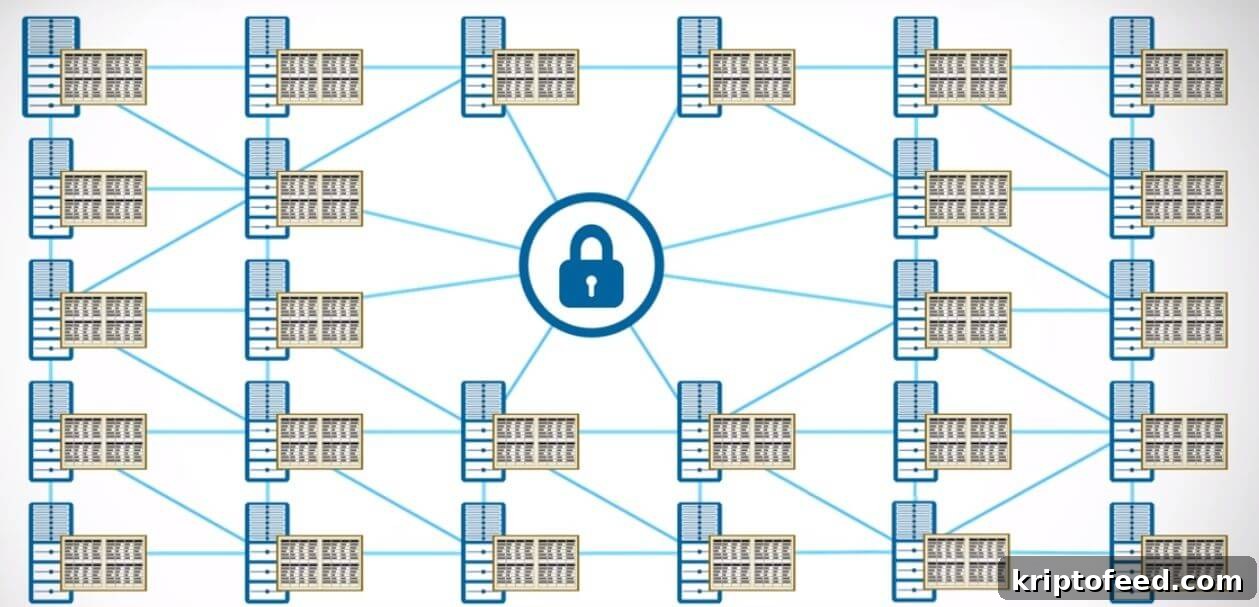
Ethereum doesn’t impose a fixed block size; instead it uses a gas mechanism. Gas measures the computational cost required to execute transactions and smart contracts, and miners collectively determine the network’s gas limit. Because miners can vote to raise or lower this limit based on network conditions, Ethereum can adapt its capacity dynamically—an architectural choice that increases flexibility compared with rigid block-size rules.
7. Ether mining is relatively fast
Mining creates new cryptocurrency units and validates transactions. On Ethereum, block times are short—around 14 seconds—compared with Bitcoin’s roughly 10-minute interval. Transactions typically require 30 confirmations for strong finality, but the overall process remains much faster than Bitcoin’s. Miners currently receive a reward for each mined block (historically 5 ETH per block), producing frequent rewards and contributing to a potentially high annual issuance. The faster cadence of block creation helps explain why Ether’s supply is not capped in the same way as Bitcoin’s.
8. Ethereum’s move to Proof of Stake (Serenity)
Both Bitcoin and Ethereum historically used Proof of Work (PoW) consensus, which is energy-intensive. To address energy consumption and scalability, Ethereum planned a transition to Proof of Stake (PoS) with its Serenity upgrade. PoS replaces energy-heavy mining with a staking mechanism that requires validators to lock up funds to secure the network. This change is intended to reduce power usage, improve scalability and position Ether for broader adoption.
9. Collaboration between Ethereum and ZCash developers
Developers from Ethereum and ZCash teamed up on Project Alchemy to combine ZCash’s zkSNARKs privacy technology with Ethereum’s smart contract platform. This collaboration aims to add strong privacy guarantees to Ethereum transactions while preserving smart contract functionality. According to developers Christian Reitwiessner (Ethereum) and Ariel Gabizon (ZCash), Project Alchemy could enable applications such as blockchain-based elections or auctions where results are verifiable on-chain while individual votes or bids remain confidential.
The integration could also enable cross-chain interactions where an Ethereum smart contract publishes an “order,” and a counterparty fulfills it using a ZCash-formatted transaction. The smart contract would verify the transaction and release funds only when the contract conditions are met—allowing privacy-preserving, automated exchange mechanisms backed by Ethereum’s contract logic.
10. Ether enjoyed major gains in 2017
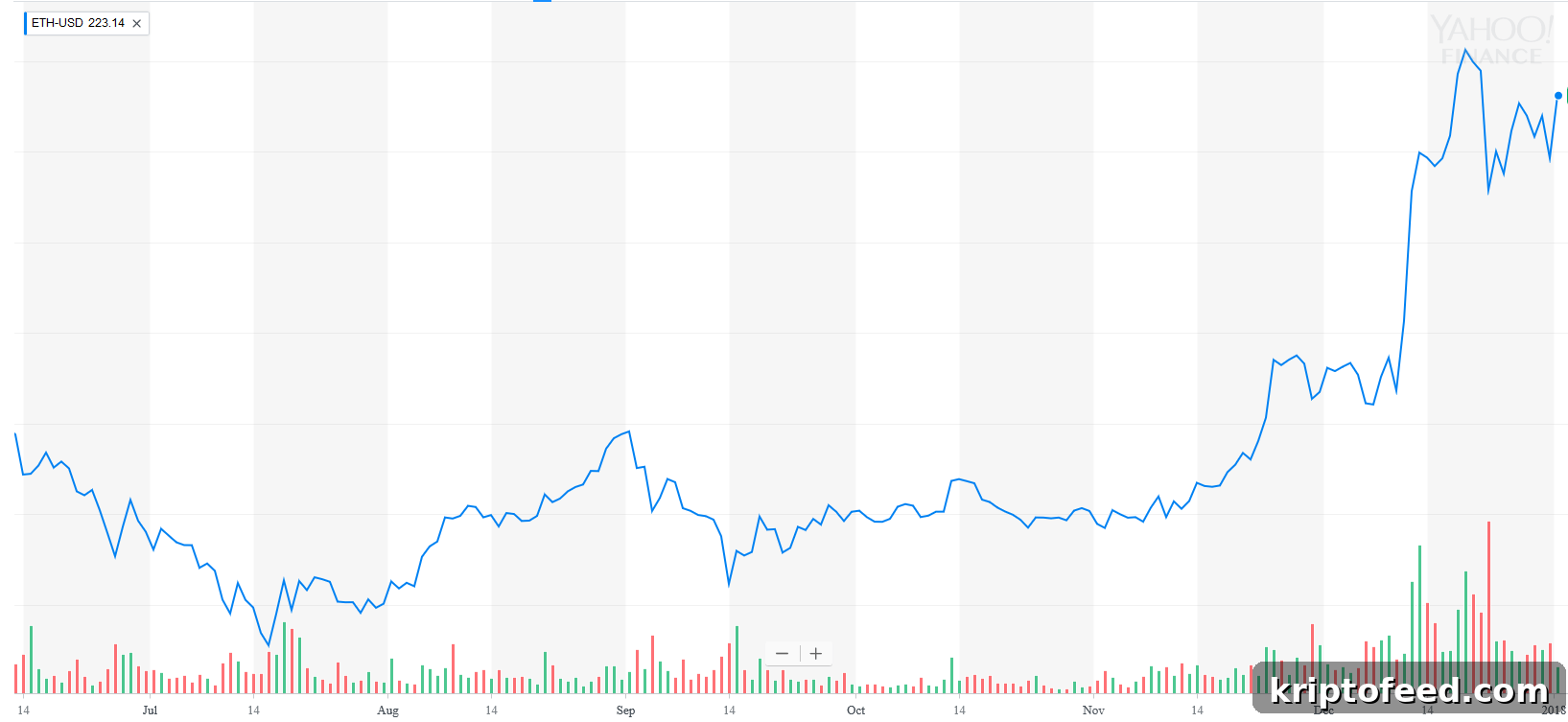
Ether experienced dramatic growth in 2017, mirroring much of the broader cryptocurrency rally. At one point in 2017 it reached a record near $407, representing an astonishing multi-thousand percent increase since earlier in the year. Those historical gains helped bring Ether into the spotlight and attracted new investors.
Conclusion: Ten reasons to consider Ether
The points covered above illustrate why Ethereum and its currency Ether have been viewed as offering significant potential. Ethereum’s versatile platform, enterprise and government interest, developer collaborations, and planned technological upgrades make it a standout project in the blockchain space. That said, investing in cryptocurrencies carries substantial risk. Markets can be extremely volatile, and while crypto investments have created large gains for some, they have also caused losses for others. If you choose to invest, do so only after thorough research and only with funds you can afford to lose.